SAEDNEWS: Brushing can contribute to hair breakage when it is done too forcefully, too frequently, or when the hair is especially vulnerable, such as when wet or tangled.
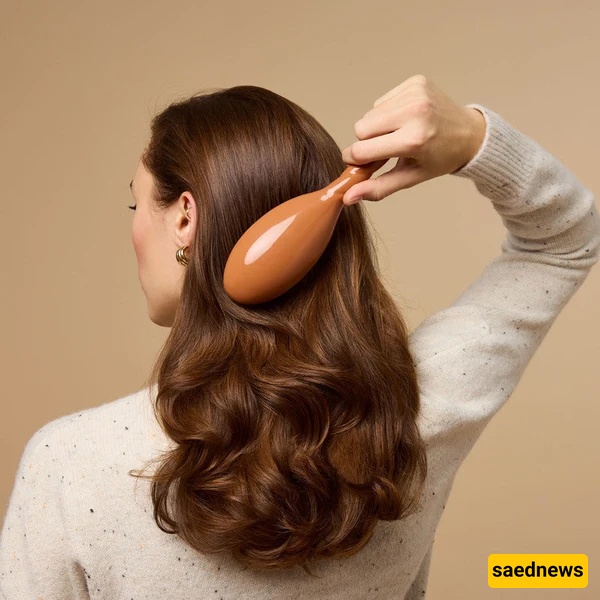
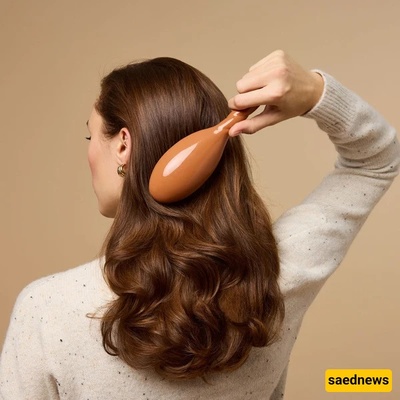
According to SAEDNEWS, brushing your hair can help remove tangles and distribute natural oils along the strands, but the wrong technique can increase mechanical stress and contribute to breakage. The risk is generally higher when hair is pulled through stubborn knots, brushed aggressively, or handled when it is particularly fragile.
Several common situations can make brushing more stressful for the hair:
Brushing through severe tangles: Forcing a brush through knots can pull on individual strands and cause them to snap.
Using excessive force: Repeatedly tugging at the hair places unnecessary tension on the strands and roots.
Brushing soaking-wet hair: Wet hair is more prone to stretching and can be easier to break when handled roughly.
Starting from the roots: Running a brush directly from the roots through tangled lengths can push knots together and increase pulling.
Using a harsh or unsuitable brush: Some brushes may create more friction or make detangling difficult, particularly for curly, textured, or easily tangled hair.
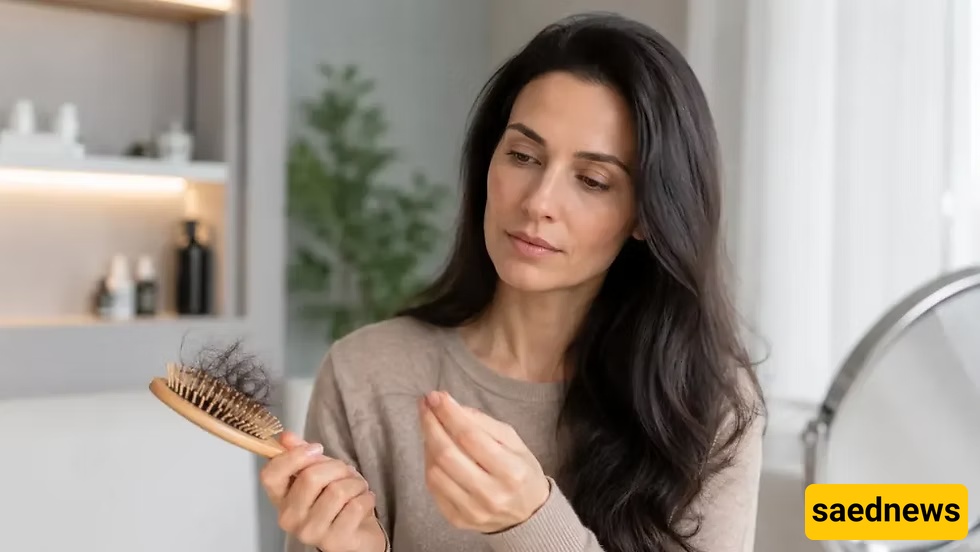
Instead of quickly pulling a brush through the entire length, use a more controlled approach:
Separate the hair into manageable sections if it is heavily tangled.
Start near the ends, gently working through small areas first.
Gradually move upward as the lower sections become detangled.
Use your free hand to hold the hair above a knot to reduce pulling on the scalp.
Stop when you encounter resistance rather than forcing the brush through it.
For wet hair, gentle handling is particularly useful. Depending on the hair type, a wide-tooth comb or a brush designed for gentle detangling may be more appropriate than a stiff brush. Allowing excess water to be removed gently before detangling can also reduce unnecessary manipulation.
Frequent breakage during grooming may show up as:
More short, broken hairs around the shoulders or sink
Increased split or frayed ends
Noticeable pulling or discomfort while brushing
Repeated difficulty getting through the same tangled areas
Hair shedding is not necessarily the same as breakage. Naturally shed hairs usually come out from the follicle, while broken strands may appear as shorter pieces without the full length of the hair.
The goal is not to avoid brushing altogether but to reduce unnecessary tension and friction. Gentle, section-by-section detangling is usually a better approach than repeated forceful strokes, especially when the hair is tangled or fragile.