SAEDNEWS: Acne breakouts after exfoliating the skin can have several causes, including skin irritation, overuse of active ingredients, product incompatibility, or a flare-up of pre-existing acne.
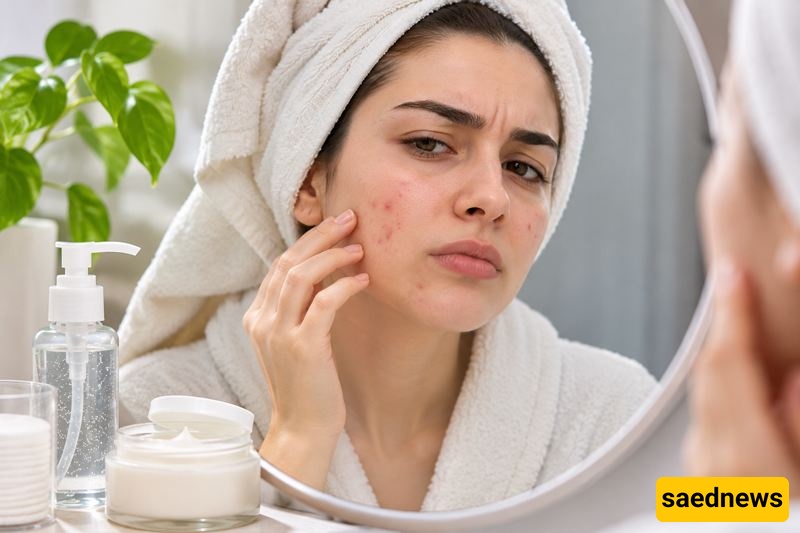
According to Saednews, Breakouts after exfoliation can happen for several reasons, including skin irritation, over-exfoliation, sensitivity to product ingredients, or worsening of existing acne. Although the term “purging” is often used to describe temporary breakouts after introducing certain active ingredients, it is not a definitive medical diagnosis. Severe burning, itching, or redness should never be ignored. Gentle skincare, proper moisturizing, daily sunscreen, and gradually introducing suitable products are better approaches than exfoliating further. If symptoms persist or become severe, consult a dermatologist.
Breakouts following exfoliation do not always mean that the skin is naturally clearing out clogged pores. Sometimes the skin reacts negatively to exfoliating acids or physical scrubs. In other cases, excessive product use causes irritation, or pre-existing acne worsens independently of the exfoliating product.
The main possible causes include skin irritation, overuse of active ingredients, incompatible product formulations, and underlying acne. The type of exfoliation also matters, as chemical exfoliants and physical scrubs affect the skin differently.
The skin barrier helps retain moisture and protects sensitive skin layers from external irritants. Frequent use of exfoliating acids or aggressive scrubbing can weaken this protective barrier.
As a result, the skin may become dry, red, sensitive, and inflamed, with bumps that resemble acne. This is not the same as beneficial skin cleansing.
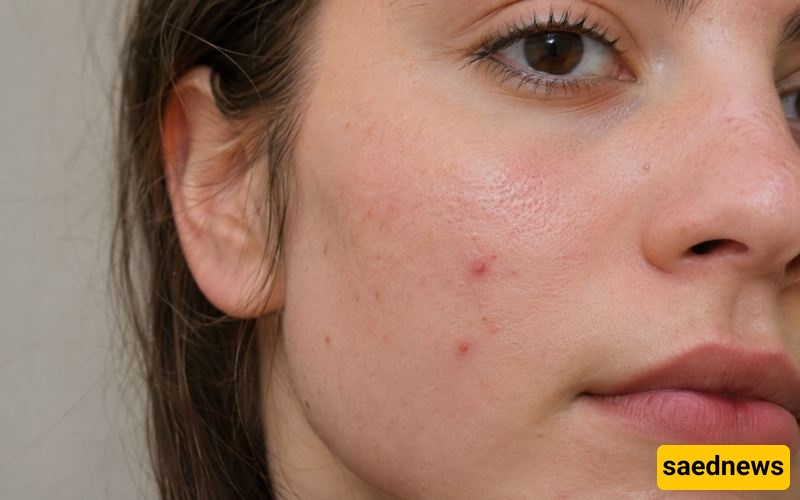
AHA ingredients, such as glycolic acid and lactic acid, primarily work on the skin's surface by removing dead skin cells.
BHA, particularly salicylic acid, is oil-soluble and commonly used in products designed to target clogged pores and acne.
Using several exfoliating acids, physical scrubs, and retinoids together can increase the risk of dryness and irritation. Although retinoids are different from AHAs and BHAs, combining them with exfoliating products without a proper routine may cause skin problems.
Sometimes fragrance, solvents, or other ingredients in a skincare product may not agree with your skin. Certain products used alongside exfoliants may also clog pores, particularly in acne-prone skin.
Additionally, developing a few new pimples does not necessarily mean that an exfoliating product caused them. Hormonal changes, the natural acne cycle, and other factors can also contribute.
Pay attention to when and how you introduce new products. If you start using a scrub, an acid toner, and a new serum within the same week, identifying the cause of breakouts becomes difficult.
Keeping a record of product use and skin reactions can help a dermatologist distinguish between existing acne, irritation, and reactions to new ingredients.
Skin purging is a commonly used term for a temporary increase in breakouts after introducing certain active skincare ingredients. However, there is insufficient evidence to establish a universally accepted diagnostic definition, duration, or reliable visual criteria.
Purging should not be interpreted as toxins leaving the skin. Even research on retinoids does not establish an initial worsening of acne as an inevitable or universal response.
Possible condition | Common signs | Recommended action |
|---|---|---|
Temporary increase in breakouts | Breakouts appearing after introducing an active product | Monitor changes and assess skin tolerance |
Irritation or contact reaction | Burning, itching, redness, or peeling | Stop the suspected product and simplify skincare |
Existing acne | Recurring breakouts that may be unrelated to product use | Review your routine and seek medical advice if persistent |
The idea that purging only occurs in areas where you previously had acne or always disappears within a few weeks is not a reliable diagnostic rule.
If breakouts appear in new areas or symptoms continue to worsen, do not automatically assume the product is working.
Severe itching and widespread redness are more suggestive of irritation or a contact reaction than ordinary changes in existing acne. However, different skin conditions can look similar, and an examination may be necessary for an accurate diagnosis.
Over-exfoliation commonly causes:
Dryness and tightness.
Redness and persistent irritation.
Burning or stinging sensations.
Peeling and flaking.
Increased skin sensitivity.
Stinging when applying previously tolerated moisturizers.
Unusual sensitivity to cleansing or sunlight.
Mild, temporary dryness is different from widespread redness, persistent pain, or cracked skin.
If inflammation continues to worsen, continuing the product in the hope that your skin will eventually adjust is not a sensible approach. Harsh cleansers and abrasive products may make the discomfort worse.
If breakouts occur alongside burning or irritation, stop using the suspected exfoliating product and simplify your skincare routine.
If you are using prescription medication, consult your prescribing doctor before changing your treatment plan.
The initial goal should be to calm the skin rather than eliminate every pimple immediately.
Wash your face with a mild cleanser and lukewarm water.
Avoid:
Facial brushes and washcloths.
Physical scrubs.
Aggressive rubbing.
Harsh cleansing products.
Choose a fragrance-free moisturizer suitable for your skin type, preferably one labeled non-comedogenic.
If even basic skincare products cause significant burning, seek medical advice to evaluate the reaction.
When going outdoors, apply broad-spectrum sunscreen with SPF 30 or higher and reapply according to its instructions.
Until your skin recovers, avoid introducing:
Additional exfoliating acids.
New retinol products.
Alcohol-based toners.
Harsh acne treatments.
Home remedies such as lemon juice or toothpaste.
Do not squeeze or pick at pimples, as this can increase inflammation and the risk of dark spots or acne scars.
Keep track of when you started each product, how frequently you used it, and how your skin changed. Taking photographs under similar lighting conditions may help you monitor progress.
The right time to resume exfoliation depends on whether redness, burning, and dryness have resolved, as well as the product formulation and your skin's tolerance.
There is no single waiting period that works for everyone.
Once your skin has returned to its usual condition, you may gradually introduce a gentle exfoliating product if necessary, following the manufacturer's instructions.
If your previous reaction was severe or a contact allergy is suspected, do not reintroduce the same product without consulting a dermatologist.
If you use prescription retinoids or acne treatments, make sure your exfoliation routine is compatible with your treatment plan.
Restarting several active ingredients too quickly can increase the likelihood of irritation returning.
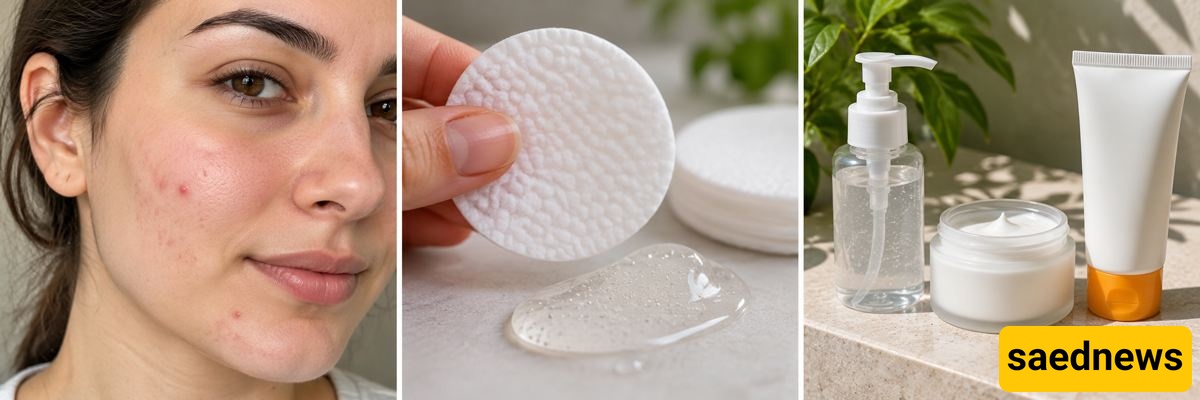
Choosing an exfoliant should depend on your skin type, active ingredients, concentration, frequency of use, and the other products in your skincare routine.
Sensitive or inflamed skin may not need exfoliation at all until it has recovered.
For acne-prone skin, salicylic acid may be beneficial in some cases, but it is not necessarily suitable for everyone.
For example, the Medicube Zero Pore Pad 2.0 is formulated with AHA and BHA ingredients, including lactic acid and salicylic acid. It is designed for exfoliation rather than immediate care for irritated skin.
When comparing Medicube products, distinguish between exfoliating pads and moisturizing skincare products. Always verify product details against the manufacturer's information.
Before applying a new product extensively, perform a patch test on a small area of skin.
Moisturizing and soothing skincare products can help reduce feelings of tightness and support skin hydration. However, they are not definitive treatments for acne or allergic reactions.
For example, the SKIN1004 Madagascar Centella Ampoule is formulated with Centella asiatica extract, glycerin, and moisturizing ingredients. It is marketed for skin hydration and soothing care.
When choosing Centella products, check the ingredient list of the specific product. Centella is the name of a plant, whereas SKIN1004 is a skincare brand.
Even plant-based products can cause irritation in some individuals, so introduce new products cautiously, especially when your skin is already inflamed.
Seek medical evaluation if you experience:
Significant swelling.
Blisters.
Severe pain.
Spreading redness.
Unusual discharge.
Deep and painful acne.
Persistent inflammation.
New acne scars.
If your lips or tongue swell rapidly or you experience difficulty breathing, seek emergency medical attention immediately.
Even mild but persistent symptoms may require professional evaluation to distinguish acne from contact dermatitis or other skin conditions.
Breakouts after exfoliation can have several causes, including irritation, over-exfoliation, unsuitable ingredients, and existing acne. Skin purging is not a definitive diagnosis, and severe redness or burning should never be dismissed as a normal adjustment period.
The best approach is to simplify your skincare routine, restore moisture, protect your skin with sunscreen, and reintroduce suitable exfoliating products gradually. If symptoms persist or worsen, consult a dermatologist rather than continuing exfoliation.