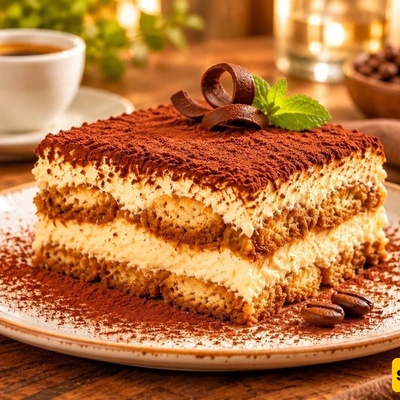
SAEDNEWS: Authentic Italian Tiramisu Recipe: History, Ingredients, Calories, and Expert Tips for Making This Classic No-Bake Dessert at Home

According to Saednews, Tiramisu is one of Italy’s most famous desserts, made with layers of coffee-soaked biscuits, delicate mascarpone cream, and a dusting of cocoa powder. The combination of bitter coffee and sweet, creamy filling creates a perfectly balanced flavor and a distinctive texture.
Unlike many other desserts, traditional tiramisu does not require baking. Once assembled, it simply needs a few hours in the refrigerator to develop its signature texture. In this article, we explore the origins, ingredients, varieties, and step-by-step preparation of tiramisu.
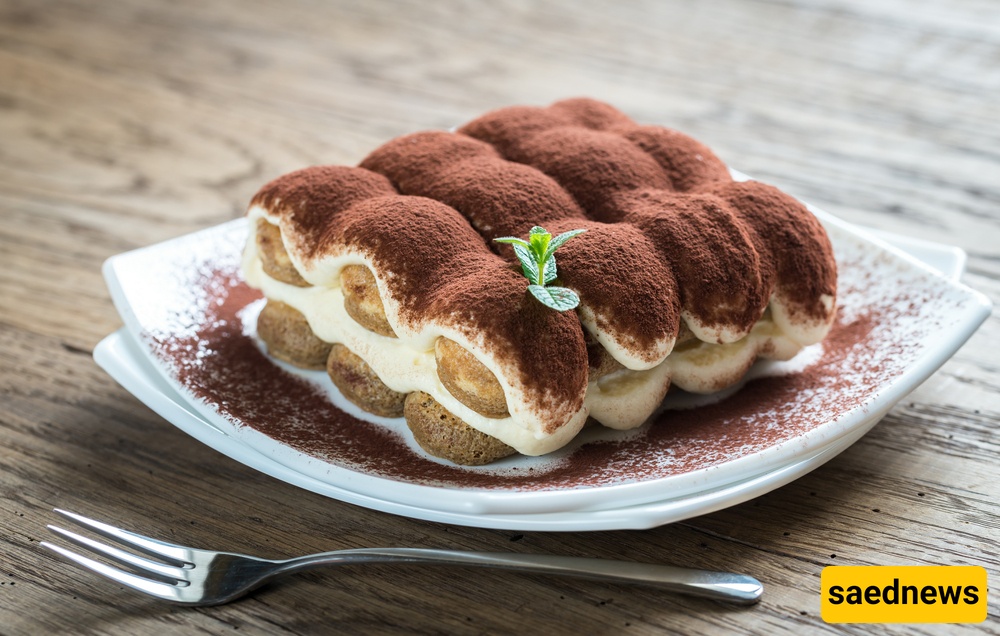
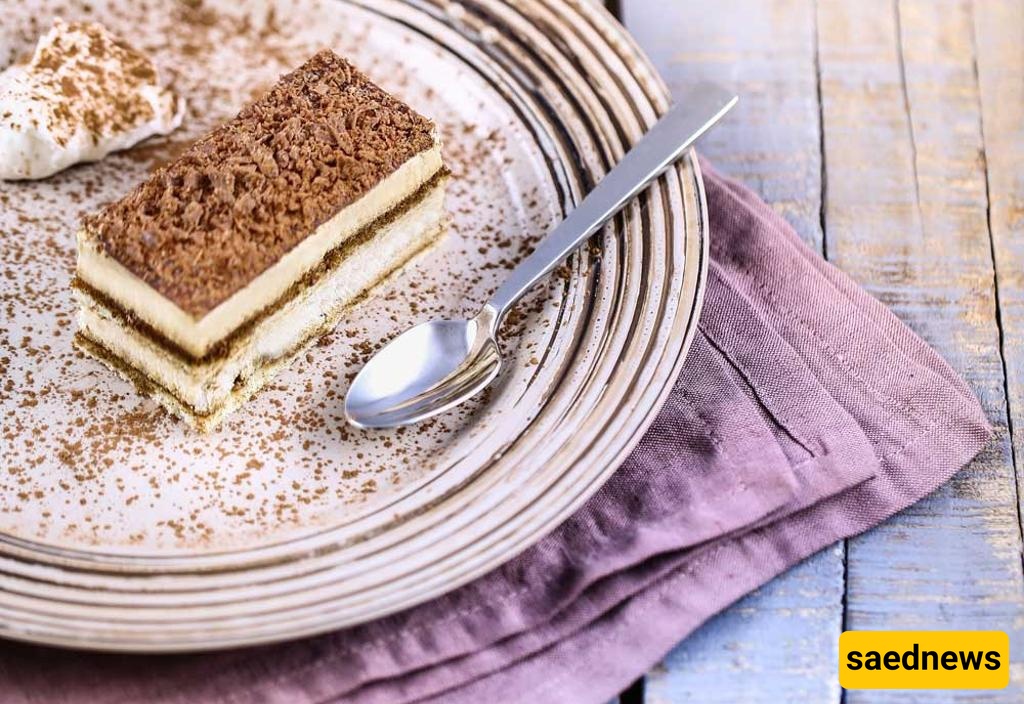
Tiramisu is a traditional Italian layered dessert made with Savoiardi biscuits (ladyfingers), coffee, mascarpone cheese, eggs, and sugar. Its surface is typically finished with a generous layer of cocoa powder.
In the classic recipe, ladyfingers are briefly dipped in coffee and arranged between layers of mascarpone cream. After refrigeration, the biscuits absorb the coffee, allowing the flavors to blend and creating a soft, smooth, and cohesive dessert.
The name Tiramisu comes from the Italian expression meaning “pick me up” or “lift me up.” The name is often associated with the coffee and energy-providing ingredients used in the dessert. However, tiramisu is primarily enjoyed as a sweet treat rather than for any medicinal or nutritional benefits.
Tiramisu is believed to have originated in northern Italy, with the Veneto region and the city of Treviso frequently mentioned in accounts of its history. Despite its worldwide popularity, there are several different stories about when and where the dessert was first created.
One of the most widely recognized accounts is associated with Le Beccherie restaurant in Treviso. According to the restaurant's published history, Alba Campeol and its pastry chef, Roberto Linguanotto, developed the dessert between 1971 and 1972. Tiramisu was subsequently added to the restaurant's menu in 1972.
Other historical accounts connect the dessert to older regional sweets from Friuli, suggesting that similar recipes may have existed before the version associated with Treviso.
For this reason, the exact origins of tiramisu remain debated. Nevertheless, Treviso and Le Beccherie played an important role in establishing and popularizing the classic version.
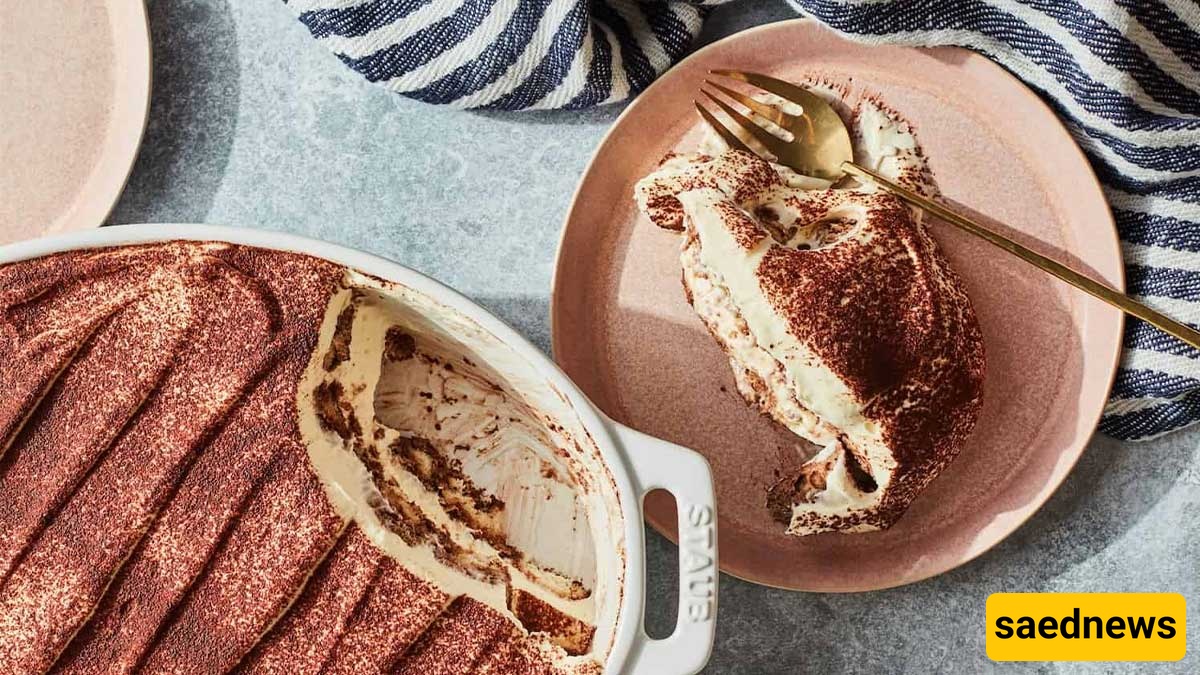
Traditional tiramisu requires several essential ingredients, each contributing to its distinctive flavor and texture.
Savoiardi, also known as ladyfingers, are light, airy sponge biscuits shaped like fingers. They absorb coffee quickly while maintaining their structure when dipped briefly.
Using the right type of biscuit is essential to prevent tiramisu from becoming overly soggy or mushy.
Mascarpone is a rich Italian cream cheese with a smooth, thick, and creamy consistency. It forms the foundation of tiramisu's filling and gives the dessert its characteristic velvety texture.
Mascarpone is different from regular cream cheese because of its distinctive flavor and higher fat content, both of which influence the final result.
Coffee is one of the most important ingredients in tiramisu. Strong, freshly brewed espresso is generally preferred because it gives the biscuits a rich coffee aroma and flavor.
The coffee must be completely cooled before use. Hot coffee can soften the biscuits too quickly and cause them to lose their structure.
Many traditional tiramisu recipes use egg yolks to prepare the mascarpone cream. The yolks are beaten with sugar until pale and fluffy before being combined with mascarpone.
Some recipes also incorporate whipped egg whites to create a lighter cream. Therefore, the exact egg preparation method can vary from one recipe to another.
Sugar provides sweetness and balances the bitterness of coffee and cocoa powder.
The quantity can be adjusted according to personal preference, although excessive sugar may overpower the natural flavors of the coffee and mascarpone.
Unsweetened cocoa powder is traditionally sifted over the surface of tiramisu just before serving.
It adds a subtle chocolate flavor and balances the sweetness of the cream. Adding cocoa powder shortly before serving also helps preserve its appearance.
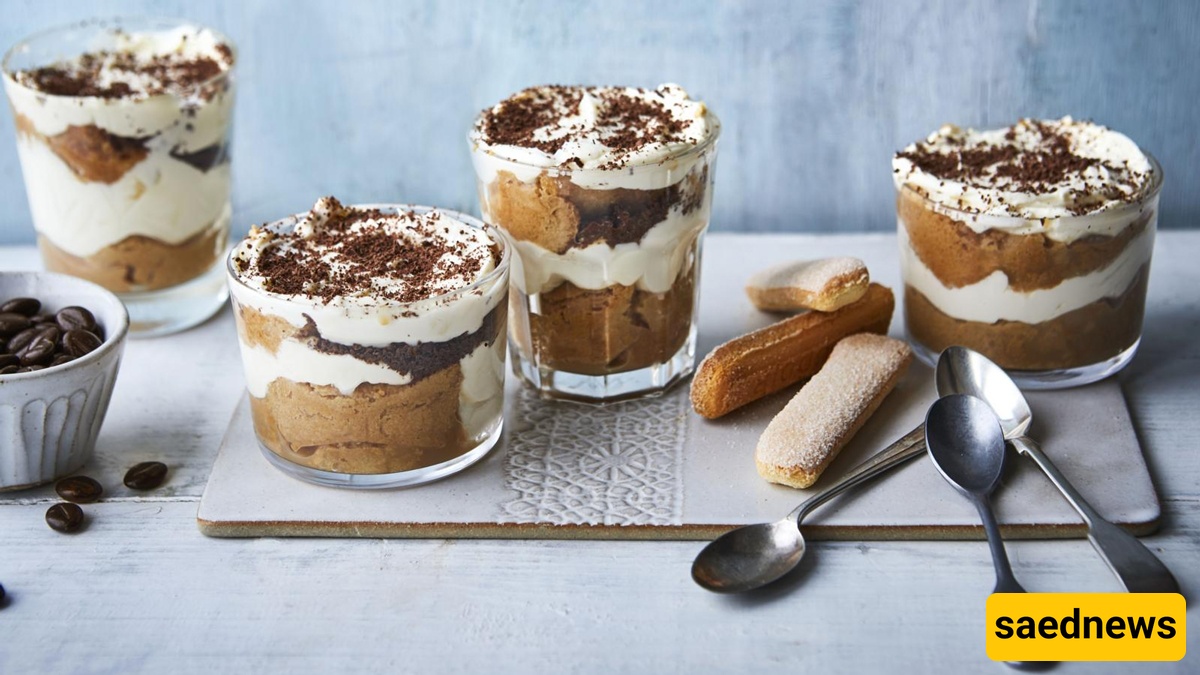
Traditional Italian tiramisu follows a relatively simple recipe, while modern versions often include additional ingredients and creative variations.
The classic recipe associated with Le Beccherie includes:
Egg yolks
Sugar
Mascarpone cheese
Ladyfinger or Savoiardi biscuits
Coffee
Cocoa powder
Modern recipes may also include whipped cream, beaten egg whites, melted chocolate, nuts, or different flavorings.
These variations do not necessarily indicate lower quality. Rather, they represent contemporary interpretations of the traditional Italian dessert.
Another important difference concerns egg preparation. Some traditional recipes use raw eggs, but pasteurized eggs or carefully controlled heating methods can be used to reduce food safety risks.
One of the best things about homemade tiramisu is that it requires no oven. The dessert is prepared by making the cream, dipping the biscuits in coffee, and arranging everything in layers.
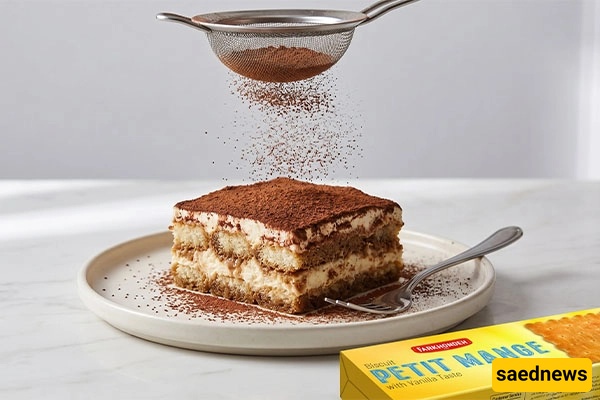
1½ cups fresh cream
⅓ cup granulated sugar
1 teaspoon vanilla extract
220 grams mascarpone cheese
1½ cups brewed espresso coffee
Ladyfinger biscuits, as needed
Unsweetened cocoa powder, for decoration
Pour 1½ cups of fresh cream into a mixing bowl.
Begin beating at medium speed.
Gradually add ⅓ cup of granulated sugar and 1 teaspoon of vanilla extract.
Continue beating until the mixture becomes light and slightly foamy.
Tip: Make sure the cream is thoroughly chilled before mixing. Regular fresh cream does not whip as easily as heavy whipping cream, so it may not become as firm or fluffy.
Add 220 grams of mascarpone cheese to the prepared cream.
Gently combine the ingredients using a mixer on low speed or a spatula until smooth and creamy.
Refrigerate the mixture while preparing the remaining ingredients.
Pour 1½ cups of freshly brewed espresso into a shallow dish and allow it to cool completely.
Prepare the dish in which you will assemble the tiramisu.
Tip: Strong, cooled espresso provides the best coffee flavor. Avoid using hot coffee because it can make the ladyfingers excessively soft.
Briefly dip each ladyfinger biscuit into the cooled coffee. Make sure the surface absorbs some coffee without becoming completely saturated.
Arrange the biscuits side by side along the bottom of your serving dish, covering the entire surface.
Spread half of the mascarpone and cream mixture evenly over the first biscuit layer.
Add another layer of coffee-dipped ladyfingers.
Spread the remaining mascarpone cream over the second biscuit layer.
Smooth the surface with a spatula and finish by evenly dusting the dessert with cocoa powder.
Tip: Do not leave the ladyfingers in the coffee for too long. They absorb liquid very quickly and may fall apart if excessively soaked.
Cover the assembled tiramisu with plastic wrap or a suitable lid.
Refrigerate for at least 3–4 hours, preferably overnight.
Once completely chilled, cut the dessert into portions using a clean knife.
Transfer to serving plates and enjoy.
Refrigeration allows the biscuits to soften while the coffee and cream flavors blend together.
Although classic tiramisu is made with coffee and mascarpone, many bakeries and cafés offer creative variations of this popular Italian dessert.
The traditional version is prepared with Savoiardi biscuits, espresso, mascarpone cream, and cocoa powder. It has a noticeable coffee flavor balanced by the sweetness of the cream.
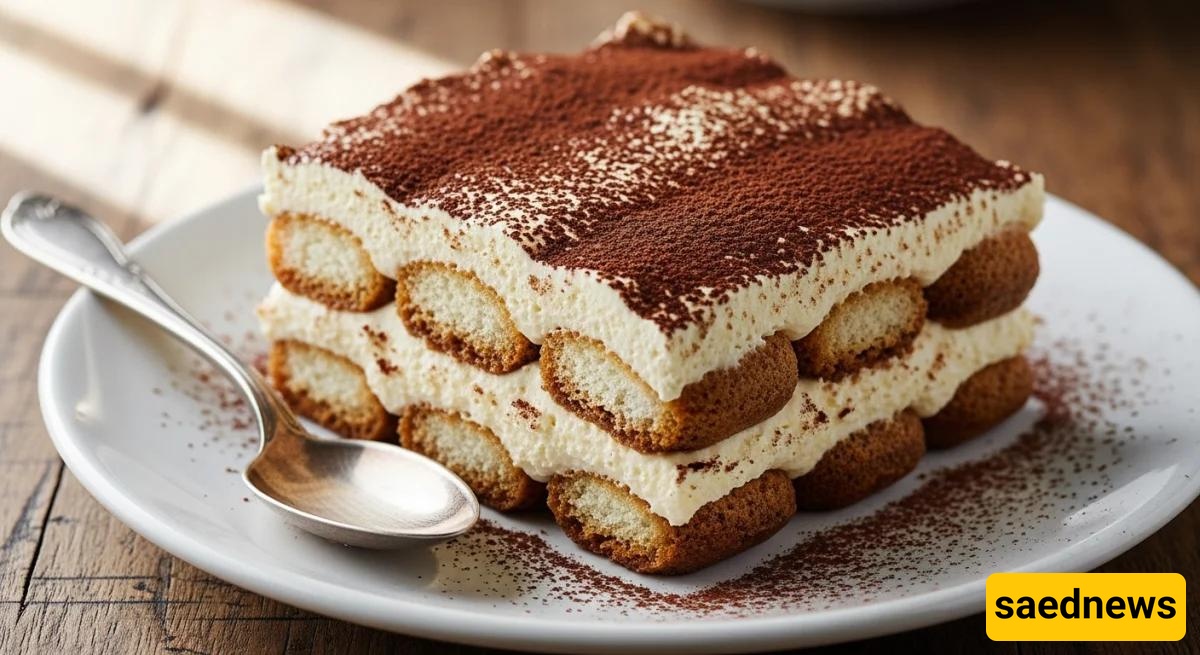
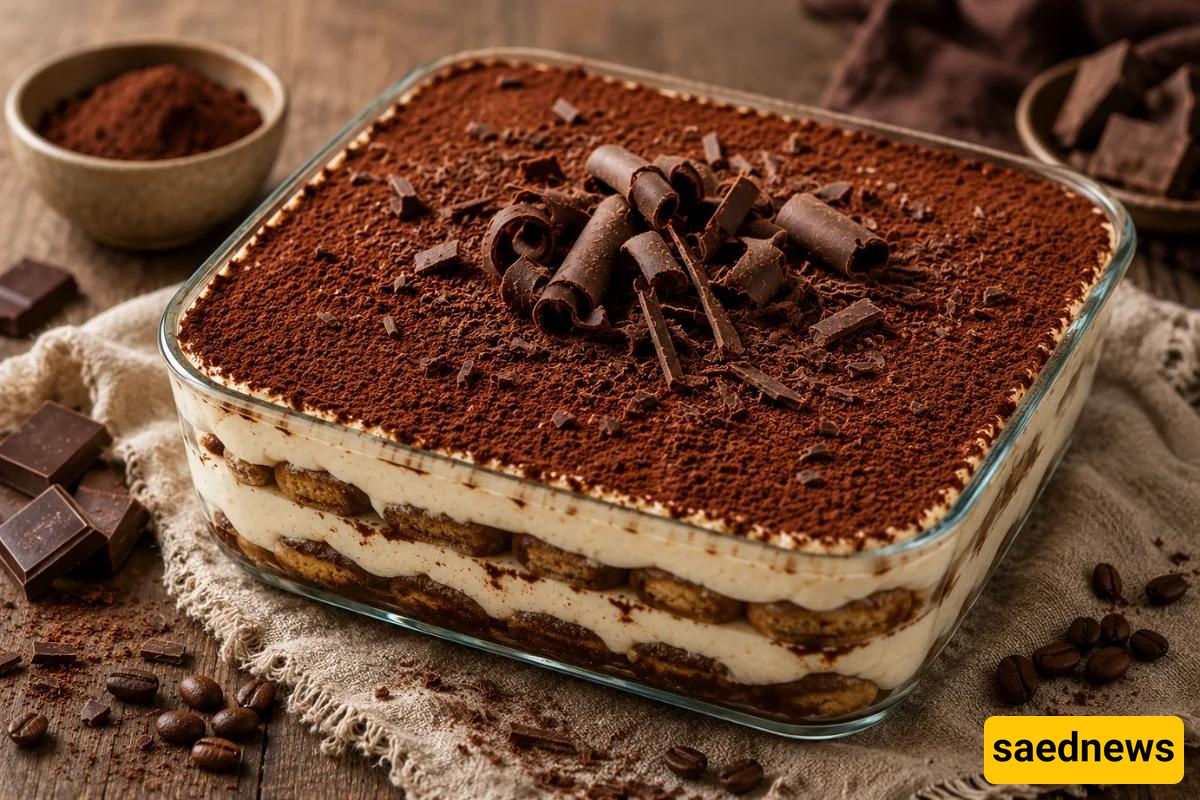
This variation includes melted chocolate, chocolate pieces, or additional cocoa powder. It has a richer chocolate flavor and is ideal for chocolate lovers.
Pistachio cream or ground pistachios are incorporated into the mascarpone filling. Some versions also include white chocolate or chopped pistachios for extra flavor and texture.

Fresh strawberries or fruit sauce replace coffee in this fruity variation. Strawberry tiramisu has a lighter, sweeter, and more refreshing flavor and is often decorated with fresh fruit slices.

Eggless tiramisu is prepared with mascarpone and whipped cream instead of eggs. Although its texture may differ slightly from the traditional version, it is a popular alternative for people who prefer not to use eggs.
In this variation, ladyfingers are dipped in milk, chocolate milk, or fruit-based mixtures instead of coffee. It is suitable for people who dislike coffee or prefer a dessert with less caffeine.

The calorie content of tiramisu depends on the serving size and the quantities of mascarpone, sugar, eggs, and other ingredients used in the recipe.
Mascarpone and eggs contribute fat and protein, while biscuits and sugar provide carbohydrates. Coffee also adds some caffeine, depending on the type and amount used.
Because tiramisu contains high-fat cheese and sweet ingredients, it is generally considered a relatively calorie-dense dessert. Portion size therefore plays an important role in overall calorie intake.
To calculate its nutritional value accurately, the quantities of all ingredients and the total number of servings must be known.
Because tiramisu contains mascarpone and other dairy ingredients, it is a perishable dessert that must be refrigerated.
Follow these storage recommendations:
Keep tiramisu covered in an airtight container.
Store it in a refrigerator at a temperature of 4°C (40°F) or below.
Avoid leaving it at room temperature for extended periods.
Always use a clean spoon when serving.
Do not return portions that have been left unrefrigerated to the main container.
Proper refrigeration helps preserve the dessert's texture, freshness, and quality.
If you plan to purchase tiramisu from a bakery or café, appearance should not be your only consideration.
Here are some important factors to check:
Fresh ingredients: Mascarpone and other dairy products should be fresh, and the dessert should have clearly stated production and expiration dates.
Storage conditions: Tiramisu must be refrigerated properly, with the cold chain maintained during storage and display.
Texture: The layers should remain relatively cohesive. Excessive liquid or completely disintegrated biscuits may indicate poor quality or improper storage.
Ingredients: If you have sensitivities to caffeine, eggs, or dairy products, check the ingredient list before purchasing.
Packaging: The container should be clean, undamaged, and suitable for food storage.
Yes. Some homemade recipes use cream cheese or a combination of cream and other cheeses instead of mascarpone. However, the flavor and texture will differ from the traditional Italian version.
Tiramisu consists of layers of coffee-soaked biscuits and mascarpone cream. Cheesecake, on the other hand, is primarily made with a cream cheese filling and a biscuit or pastry crust.
The distinctive coffee flavor and layered structure are among the main differences between these two desserts.
Tiramisu is a traditional Italian dessert believed to have originated in northern Italy, particularly in the Veneto region and the city of Treviso.
The Italian word Tiramisu literally means “pick me up” or “lift me up.”
Traditional tiramisu uses coffee, but modern variations can replace it with milk, chocolate milk, or fruit-based mixtures.
Yes. Traditional tiramisu is a no-bake dessert. After assembling the layers, it is refrigerated until the biscuits soften and the cream becomes firm.
The refrigeration time depends on the recipe and the thickness of the layers. Generally, at least 3–4 hours are recommended, although leaving it overnight produces an even better texture.
Some traditional recipes contain raw eggs. However, to reduce the risk of foodborne illness, it is preferable to use pasteurized eggs or a preparation method that heats the eggs safely.