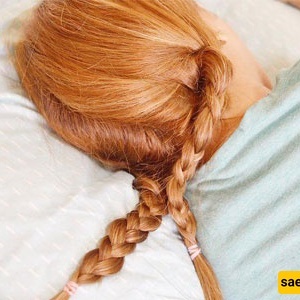
SAEDNEWS: Gentle nighttime habits can reduce friction, tangling, breakage, and unnecessary stress on the hair.
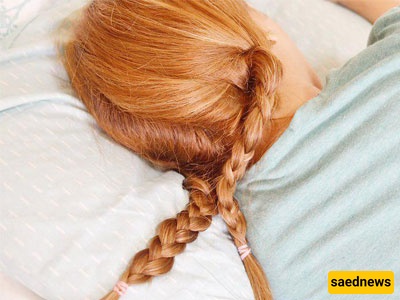
According to SAEDNEWS, the way you handle your hair before going to bed can affect how much friction and pulling it experiences during the night. Hair can become tangled as you move against the pillow, particularly when it is long, dry, curly, or already fragile. A few simple changes can help reduce unnecessary mechanical stress without requiring an elaborate routine.
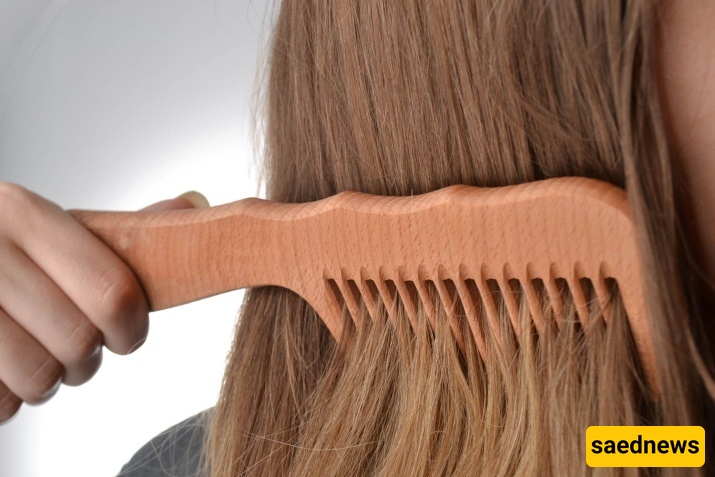
Avoid going to sleep with hair that is heavily tangled. Use a gentle, wide-toothed comb or another suitable detangling method, working gradually from the ends toward the roots. Do not pull forcefully through knots, as repeated tension can contribute to breakage.
If your hair is wet, handle it especially gently. Wet hair is more prone to stretching and mechanical damage, so allowing it to dry before sleeping can reduce the amount of manipulation and friction it experiences overnight.
The surface of a pillowcase can create repeated friction as the head moves during sleep. A smooth pillowcase may help reduce rubbing and tangling compared with rougher fabrics.
Other practical options include:
Keeping the hair loosely contained rather than leaving long hair completely loose
Using a soft, fabric-covered hair tie instead of a tight elastic
Avoiding accessories that pull strongly on the roots
Keeping the sleeping area and pillowcase clean
If you prefer to tie your hair at night, keep the style loose. A relaxed braid can help limit tangling for some hair types, while a loose, low ponytail may be another option. The goal is to control the hair without creating continuous tension.
Avoid sleeping with very tight ponytails, buns, or other styles that pull on the same areas repeatedly. Persistent tension can contribute to hair breakage and, over time, may increase the risk of traction-related hair loss.
A practical routine can be as simple as:
Detangle gently. Remove knots without force.
Let wet hair dry. Avoid vigorous brushing or tight styling while it is wet.
Choose a loose style. Keep long hair controlled without pulling at the scalp.
Use a soft hair tie if needed. Avoid tight bands that press or pull on the hair.
Consider a smoother pillow surface. This can help minimize friction during sleep.
The best routine depends partly on hair texture, length, and condition. Hair that is chemically treated, very dry, curly, or already breaking may benefit from particularly gentle handling.
Small nighttime habits can make hair care easier over time. Rather than relying on a single product or technique, minimizing pulling, rough handling, and unnecessary friction is a practical way to protect the hair while you sleep.