SAEDNEWS: Using a wet cloth may damage some household items by causing moisture problems, stains, or surface deterioration. Learn which items require safer cleaning methods.
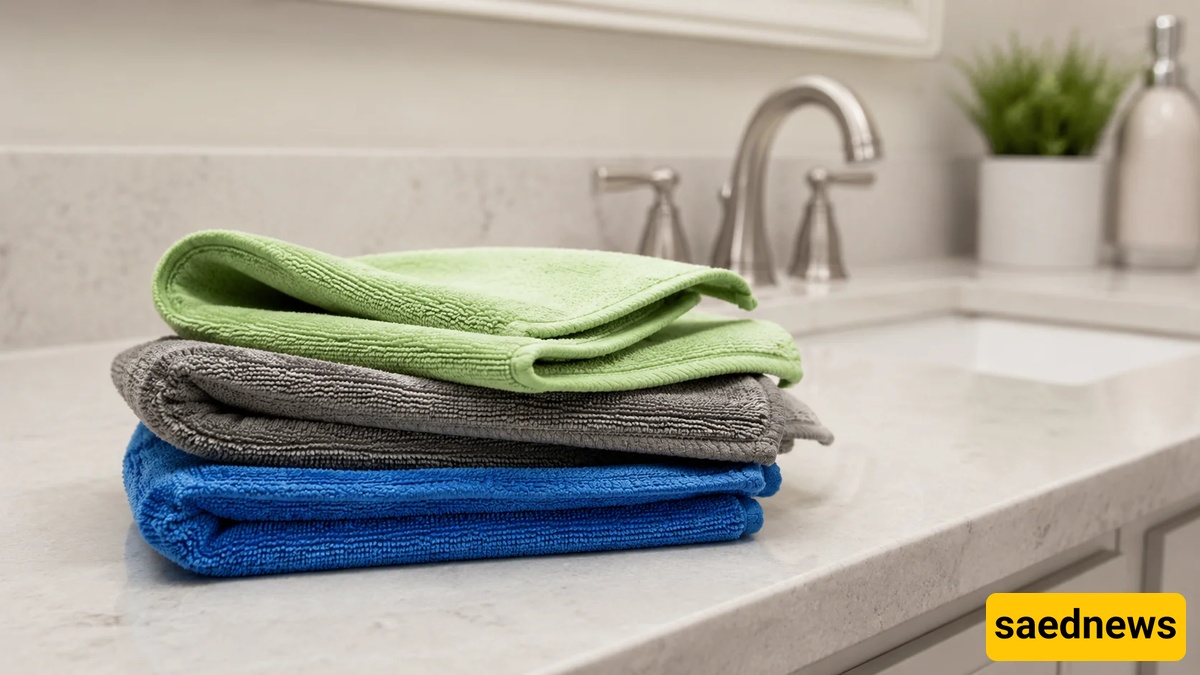
According to SAEDNEWS, using a wet cloth may seem like a quick and easy way to remove dust and stains, but not every household item is designed to handle moisture. Water can damage sensitive materials, leave marks, or affect the function of certain devices. Choosing the right cleaning method helps protect belongings and extends their lifespan.
Many electronic items contain delicate components that can be affected by water. Even a small amount of moisture can enter openings and cause problems over time. Instead of using a wet cloth, it is usually safer to use a dry microfiber cloth or cleaning products specifically designed for electronics.
Items that should not be cleaned with a wet cloth include:
• Computer keyboards and computer ports
• Remote controls
• Speakers and audio equipment
• Game controllers
• Chargers and electrical accessories
If a device needs deeper cleaning, it should be turned off and cleaned carefully while avoiding direct contact with liquids.
Wood can absorb moisture, especially when it is unfinished or has damaged protective coatings. A wet cloth may leave water marks, cause swelling, or affect the appearance of the surface.
For wooden furniture, a slightly damp cloth that has been thoroughly squeezed out is often safer than a dripping wet one. After cleaning, the surface should be dried quickly with a soft cloth to prevent moisture from remaining on the material.
Leather products require special care because excessive water can change their texture and appearance. A wet cloth may create stains, make the material stiff, or remove natural oils from the surface.
Common leather items that need careful cleaning include:
• Leather bags
• Leather furniture
• Leather accessories
• Leather-covered items
Using a dry cloth for dust removal and appropriate leather care products is usually a better approach.

Paper absorbs water easily, which can lead to wrinkles, stains, and permanent damage. Using a wet cloth on books, documents, or important papers can ruin the pages and affect their readability.
For books and paper items, gentle dusting with a soft brush or dry cloth is generally a safer cleaning method. If a paper item becomes dirty, moisture should be used only with appropriate restoration techniques.
Although many modern screens are designed with protective coatings, excessive moisture can still cause problems. Water may enter the edges of screens and damage internal layers.
Avoid applying water directly to:
• Television screens
• Computer monitors
• Tablets
• Other display surfaces
A microfiber cloth designed for screens is usually the preferred option. If necessary, a small amount of suitable screen cleaner can be applied to the cloth rather than directly onto the device.
Before cleaning any item, consider these simple steps:
Check the manufacturer’s cleaning instructions.
Identify whether the material is sensitive to moisture.
Use the least aggressive cleaning method first.
Dry surfaces completely after cleaning.
A wet cloth is useful for many washable surfaces, but using it everywhere can create unnecessary damage. Understanding the limits of different materials helps keep household items cleaner and in better condition for longer.