SAEDNEWS: Symmetrical arrangement can make an environment feel more orderly and visually balanced. For some people, it may also provide a sense of control, predictability, or comfort.
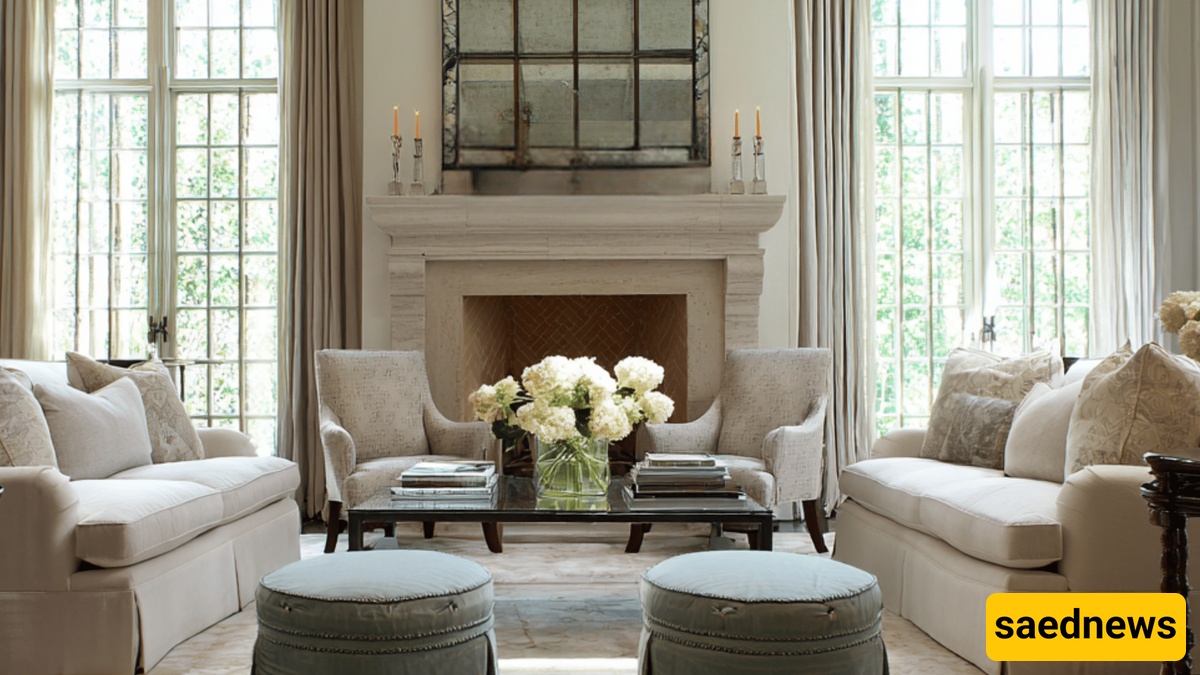
According to SAEDNEWS, arranging belongings symmetrically is more than a simple preference for neatness. People may naturally respond positively to visual balance because symmetrical patterns are often easier for the brain to process. When objects are placed at similar distances or arranged as matching pairs, the surrounding space can appear more organized and predictable.
Symmetry can create a clear visual structure. For example, someone may place two lamps at equal distances from a sofa, align books along the edge of a shelf, or arrange decorative objects so that one side of a surface visually matches the other. This kind of organization can reduce the impression of clutter and make a space easier to scan.
Personal habits and aesthetic preferences also play a role. Someone who enjoys structured environments may find symmetrical arrangements more satisfying, while another person may prefer a more relaxed or deliberately uneven style.
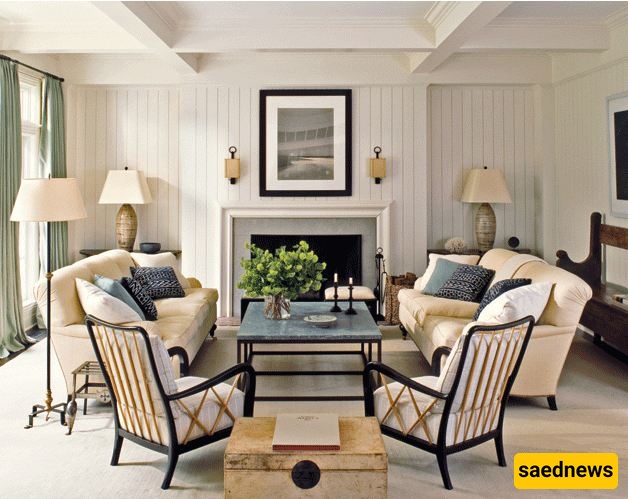
Symmetrical arrangements may offer a sense of predictability. When objects follow an obvious pattern, the brain does not have to interpret as much visual irregularity. This can contribute to the impression that a room or personal space is calm and orderly.
For some people, arranging possessions symmetrically may also serve practical purposes. A consistent arrangement makes it easier to remember where things belong and can simplify everyday routines. In this case, symmetry is not necessarily about appearance; it can be a simple organizational strategy.
A preference for symmetry is not, by itself, evidence of a psychological disorder. People have different levels of sensitivity to order, balance, and visual consistency. However, if a person feels intense distress when objects are not arranged in a particular way or spends excessive amounts of time correcting their position, the behavior may be worth considering in a broader psychological context.
The key distinction is often preference versus impairment. Enjoying symmetrical surroundings is a common individual preference, whereas a behavior that causes significant distress or interferes with daily life can have a different meaning.
Ultimately, symmetrical organization can reflect a combination of visual preference, learned habits, practical organization, and a desire for predictability. There is no single reason why everyone who arranges belongings this way does it.