SAEDNEWS: Cabinet doors can become difficult to close because of loose hinges, shifting alignment, moisture-related changes, or worn hardware.
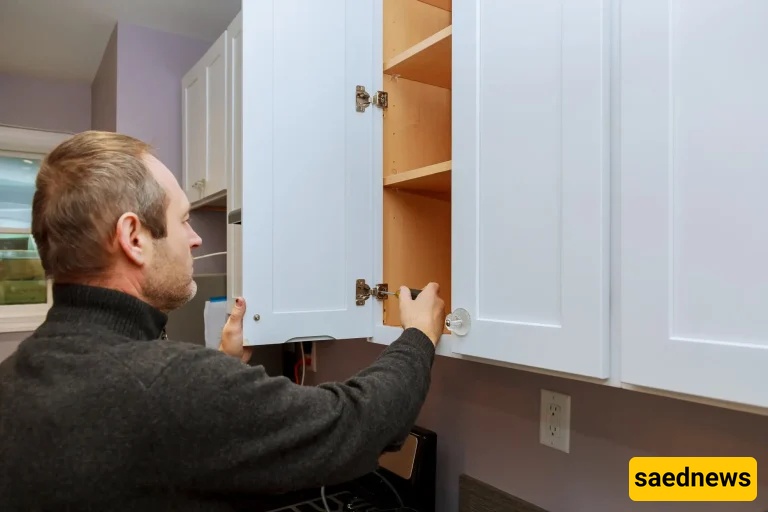
According to SAEDNEWS, a cabinet door that gradually becomes harder to close is usually dealing with a small alignment or hardware problem rather than a sudden failure. Hinges can loosen with repeated use, while the cabinet frame or door itself may shift slightly over time. Even a small change in position can make the door rub against the frame or prevent it from sitting properly.
Several issues can make a cabinet door increasingly difficult to close:
Loose hinge screws: Frequent opening and closing can gradually loosen the screws that hold the hinges in place.
Hinge misalignment: A hinge may shift slightly, causing the door to sit too high, low, or sideways.
Moisture and humidity: Wood and wood-based materials can expand or change shape when exposed to higher humidity.
Warping: A cabinet door may develop a slight curve or change in shape, particularly if it is exposed to uneven moisture or heat.
Worn hinges or hardware: Older hinges may develop play or stop holding the door in its original position.
Something blocking the door: Shelves, stored items, or even a protruding cabinet component can interfere with the closing movement.
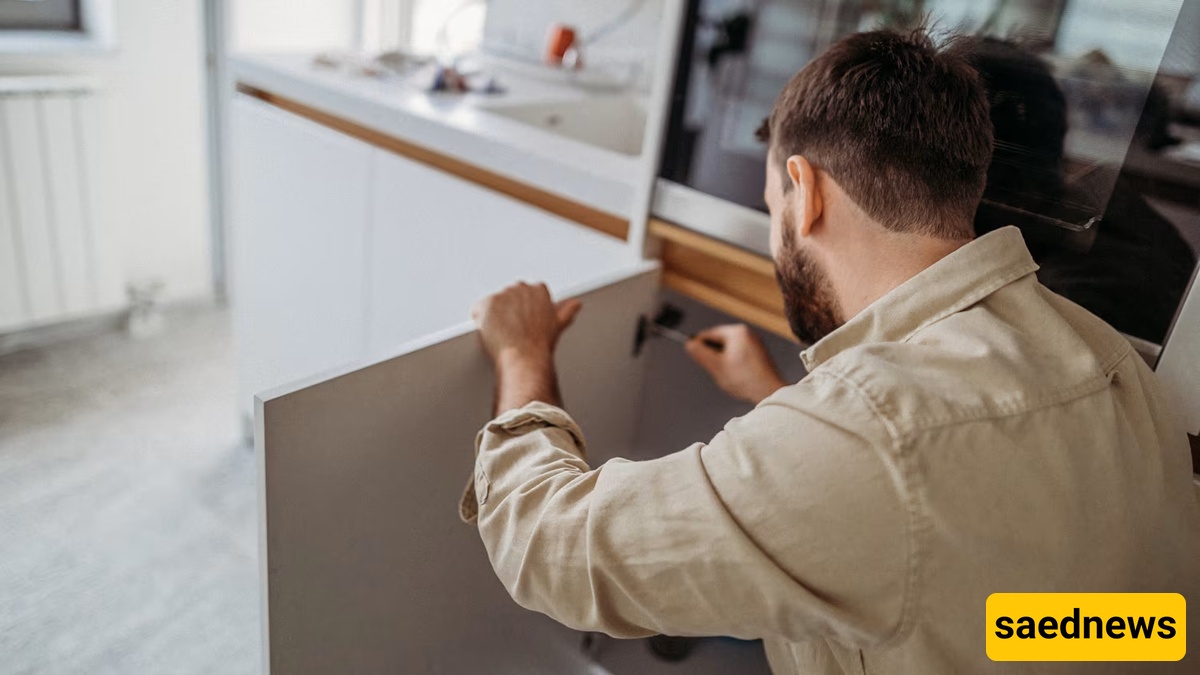
Start by closing the door slowly and watching where it makes contact. If one corner touches the cabinet before the rest of the door, the hinges may need adjustment. Check whether the hinge screws are firmly seated and whether the hinge itself appears loose.
If the door seems properly aligned but still rubs against the frame, look for swelling, warping, or changes in the cabinet material. In kitchens and other areas where cabinets are exposed to steam and humidity, these changes can become more noticeable over time.
For adjustable hinges, small alignment adjustments can often restore the original position of the door. Tightening loose screws may also help, but forcing the door shut is not a good solution because repeated pressure can put additional strain on the hinges and cabinet frame.
If tightening and adjusting the hinges does not solve the problem, inspect the door and cabinet for visible warping, damaged hinge mounts, or cracks around the screws. A cabinet that has shifted because of a structural issue may require more than a simple hinge adjustment.
In many cases, however, the problem is minor and develops gradually because cabinet doors are constantly moving. Identifying the point where the door begins to resist closing can help determine whether the solution is a simple adjustment, replacement of worn hardware, or repair of the cabinet material.