SAEDNEWS: Window direction, surrounding structures, interior colors, and the way daylight enters a room can make a home feel surprisingly dark even under bright outdoor conditions.
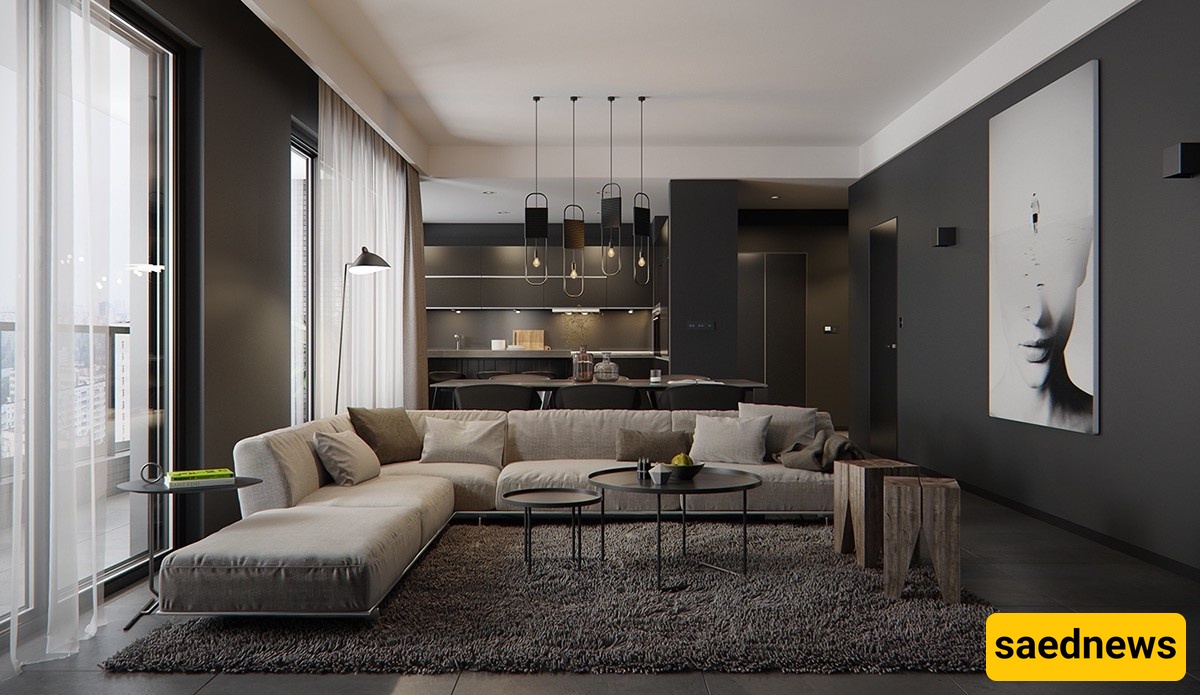
According to SAEDNEWS, a sunny day does not necessarily mean every room receives plenty of useful daylight. The amount of natural light indoors depends on more than the weather. Window size and orientation, nearby buildings or trees, room depth, and even the colors and surfaces inside the home can significantly affect how bright a space appears.
One of the most obvious factors is the position and size of the windows. A room with small windows may receive relatively little direct or indirect daylight, while a deep room can remain dim because light becomes weaker as it travels farther from the window. Windows facing directions that receive less direct sunlight during parts of the day can also make a room feel darker.
Outdoor surroundings matter as well. Tall buildings, walls, balconies, dense trees, and other structures can block or reduce the amount of sky visible from a window. Even when sunlight is strong outside, these obstacles may prevent much of it from reaching the interior.
The surfaces inside a room determine how incoming light is distributed. Light-colored walls and ceilings generally reflect more visible light than dark surfaces, helping daylight spread farther through the space. Dark furniture, heavy curtains, and large decorative objects can absorb or block some of the available light and make the room appear less bright.
Glass also does not transmit all outdoor light equally. Window treatments, tinted glass, dirt on the window, and multiple layers of glazing can reduce the amount of daylight reaching the room. Curtains and blinds may have an even greater effect when they cover a significant portion of the window.
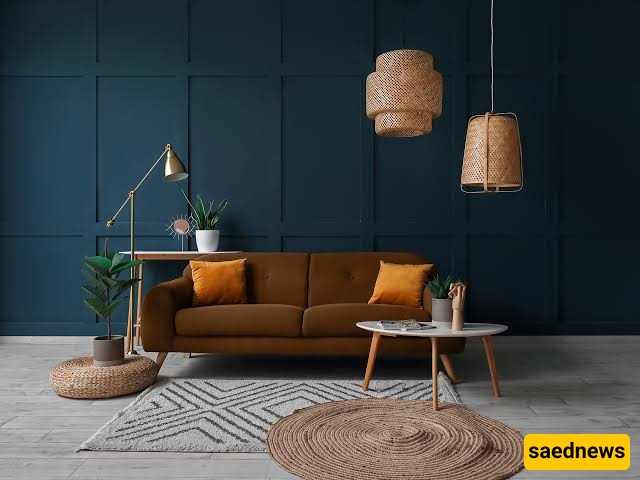
If a room consistently looks darker than expected, practical adjustments can improve its daylight distribution:
Keep windows clean and avoid unnecessarily blocking them.
Use lighter colors on walls and ceilings when redecorating.
Choose curtains that allow daylight through when privacy permits.
Avoid placing tall furniture directly in front of windows.
Use mirrors or other reflective surfaces carefully to help distribute available light.
Keep nearby plants or outdoor objects from unnecessarily obstructing the window.
The key point is that outdoor brightness and indoor brightness are not the same thing. A room can receive daylight yet still look dark because of its orientation, architecture, surroundings, or interior surfaces. Understanding how these factors interact can make it easier to improve the natural light without major structural changes.