SAEDNEWS: Tiny homes are attracting renewed attention as housing costs, lifestyle priorities and interest in simpler living reshape how people think about space. But their comeback is about more than owning fewer square feet.
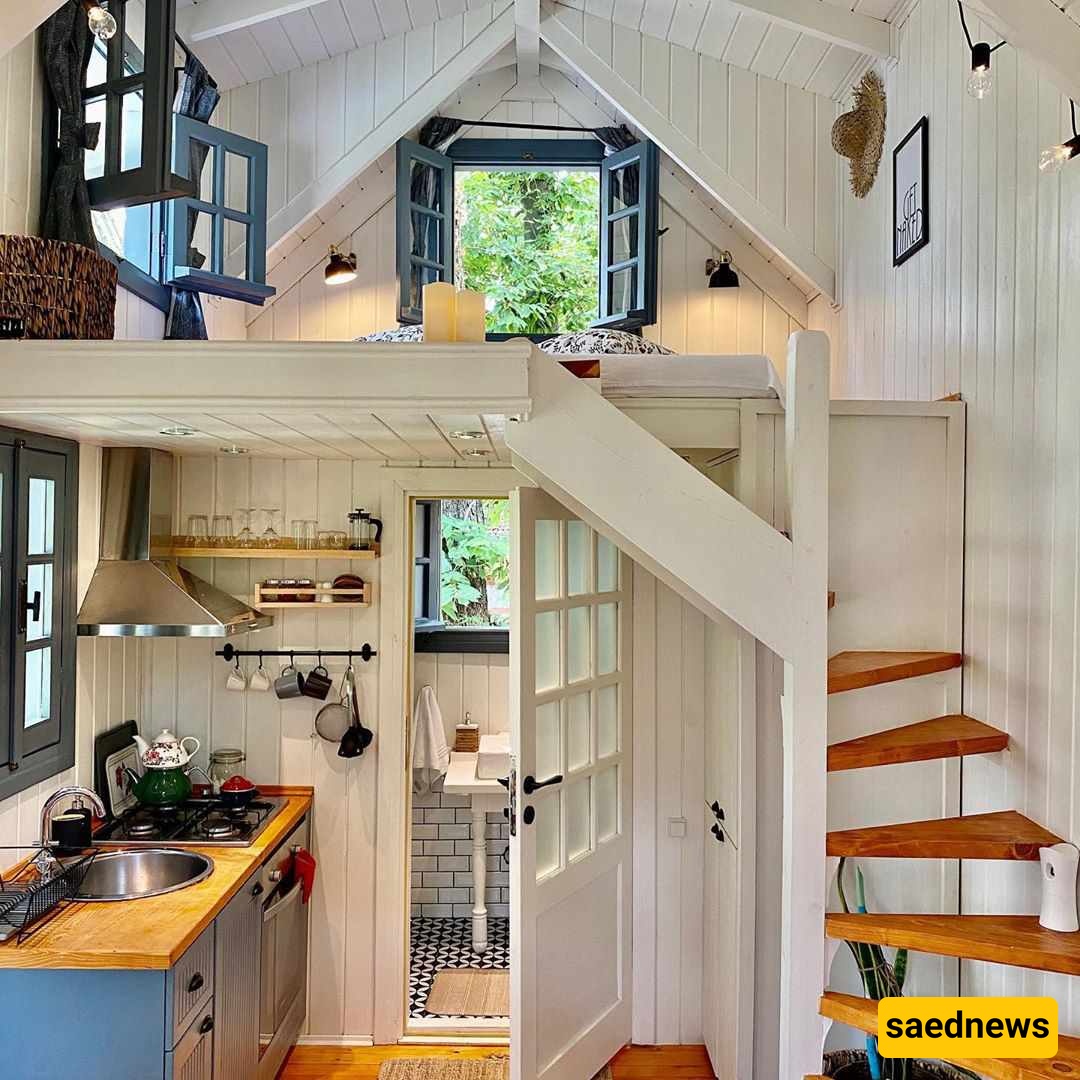
According to SaedNews, the tiny-home idea is having another moment. What once looked like a niche lifestyle experiment has increasingly become part of a wider conversation about housing affordability, flexibility and how much space people actually need.
Recent developments suggest the renewed interest is not simply a social-media fad. In Portland, Oregon, a 2026 neighborhood survey found that mobile dwellings—including tiny homes on wheels and RVs—increased from 67 in 2020 to 120 in the Cully neighborhood. The researchers caution that this is only one neighborhood, but the increase offers a useful glimpse into how small, flexible housing can become part of an established residential area.
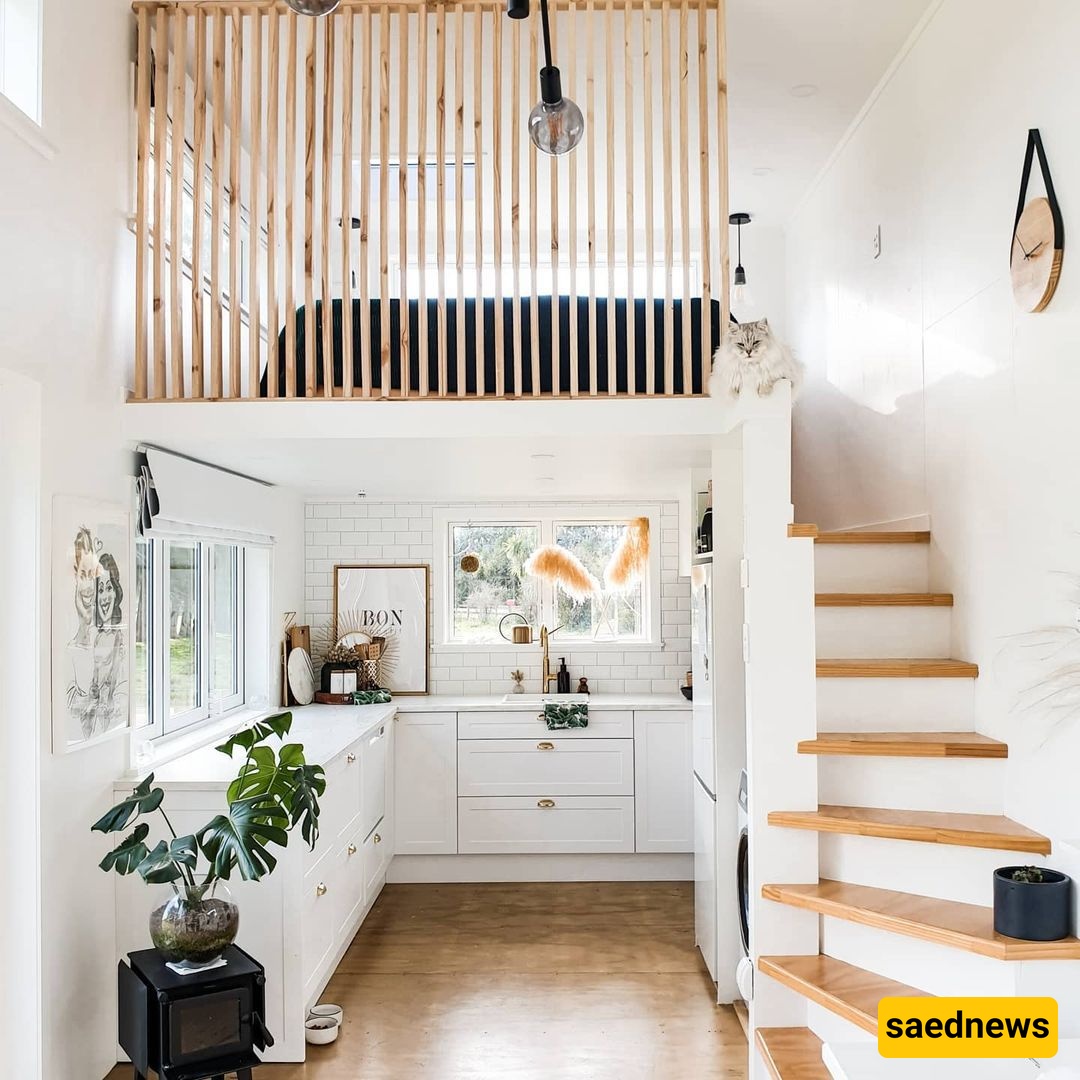
The modern tiny-house movement has never had one universally accepted definition. In the International Residential Code, a tiny house is defined as a dwelling of 400 square feet (about 37 square meters) or less, excluding lofts, although local laws can define and regulate these homes differently.
That distinction matters because "tiny home" can describe several very different things: a permanently founded small house, a backyard accessory dwelling, a factory-built unit or a house constructed on wheels.
The movement also has roots that go beyond today's housing market. Researchers from Griffith University found that people attracted to tiny homes cited several motivations, including economic considerations, security of tenure, sustainable community and freedom. They also identified regulation as a major barrier.
In other words, the appeal has never been purely about square footage.
One obvious reason for the renewed interest is the difficulty of entering conventional housing markets in many places.
Researchers at King's College London argued in 2026 that the popularity of tiny housing in the United States reflects, in part, a deeper housing-affordability problem. Their analysis also points to an important contradiction: tiny homes can provide genuine freedom and flexibility for some people while simultaneously reflecting a housing system in which conventional homes have become increasingly difficult to afford.
That helps explain why the audience for tiny homes is broader than the stereotypical minimalist enthusiast.
Young adults may see a compact home as a way to reduce the scale of a mortgage. Retirees may prefer less maintenance. Homeowners may use a small detached unit to house relatives or create additional living space. And some people simply like the idea of spending less of their lives cleaning, maintaining and furnishing rooms they rarely use.
This is one of the most important details prospective buyers can miss.
A tiny house may require fewer materials than a much larger building, but the total cost depends on far more than the structure itself. Land, site preparation, utility connections, transportation, permits, foundations and local zoning requirements can all affect the final bill.
The legal question can be particularly complicated for homes on wheels. A structure may physically resemble a tiny house but fall under different rules depending on whether a local authority treats it as a dwelling, accessory unit, recreational vehicle or another category.
That is why tiny homes cannot simply be presented as a universal solution to expensive housing.
Tiny homes are also associated with sustainability because a smaller building generally requires less material and occupies less land.
Research published in The Journal of Architecture examined the material use, land use, energy consumption and greenhouse-gas impacts of tiny homes compared with conventional detached houses and apartments. The study found that size can provide environmental advantages, but it also emphasized the importance of looking at the entire life cycle of a building rather than assuming that a small footprint automatically makes a home environmentally superior.
A 2024 study of a tiny house in the United Arab Emirates similarly used life-cycle assessment to examine environmental impacts across construction, operation and disposal. The research highlights why factors such as materials, insulation, energy use and local climate matter when judging a home's environmental performance.
So the greener home is not necessarily just the smallest one. Design and how the building is used matter too.
Perhaps the most interesting part of the tiny-home comeback is that people are increasingly treating small homes as a tool rather than an ideology.
A compact house can function as a primary residence, backyard accommodation, a multigenerational housing option or, where regulations permit, a flexible addition to an existing property. The U.S. Department of Housing and Urban Development has highlighted accessory dwelling units as a way to provide additional housing without requiring a separate parcel of land; these can include detached small homes.
That makes the modern tiny home less about rejecting conventional housing altogether and more about asking whether every household needs the conventional amount of space.
The Instagram version of tiny-house life can make downsizing look effortless. Living in a very small space is not.
Storage becomes a daily calculation. Privacy can be limited. Couples, families and pet owners face challenges that a single occupant may not. And a house on wheels introduces questions about where it can legally stay, how it can be insured and how frequently it can realistically be moved.
Researchers have consistently pointed to regulation as one of the movement's biggest obstacles.
For that reason, anyone considering a tiny home should investigate local building and zoning rules before buying or building one. The same design that is perfectly legal in one jurisdiction may not be permitted as a permanent residence somewhere else.
The renewed interest in tiny homes is ultimately part of a bigger change in how people think about housing.
For decades, a larger home was often treated as an obvious sign of success. Tiny homes turn that assumption around. They ask a different question: How much home is enough?
For some people, the answer may genuinely be less space, lower maintenance and greater flexibility. For others, a tiny home will be too restrictive or financially impractical once land and regulatory costs are included.
That tension is precisely why the tiny-home movement is worth watching. It is not simply a story about fashionable miniature houses. It is a visible response to changing housing economics, evolving ideas about consumption and a growing willingness to question the traditional relationship between home size and quality of life.