SAEDNEWS: Travel is supposed to bring us joy, but sometimes, even in the middle of a carefully planned trip, feelings of sadness, emptiness, and boredom can suddenly arise. This experience is often referred to as the “travel blues.”
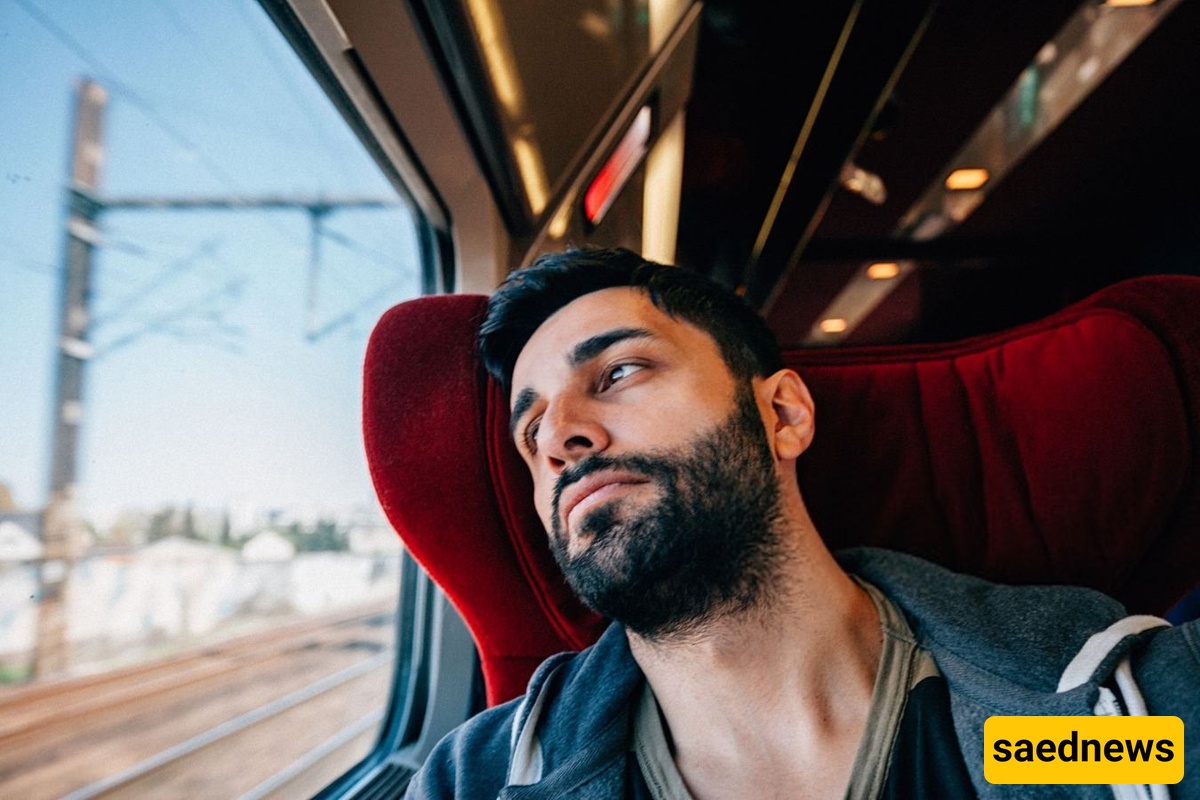
According to Saednews, We all have an image of the perfect trip in our minds—a journey filled with laughter, adventure, relaxation, and carefree moments. But sometimes, reality looks very different. Some travelers experience sadness, emptiness, and a lack of motivation in the middle of a carefully planned, even luxurious, vacation. Instead of enjoying the experience, they may feel strangely guilty or embarrassed.
The big question is: Why can we feel miserable even when we are in one of the most beautiful places in the world?
This experience, often referred to as the “travel blues” or travel depression, is more common than many people realize. Understanding why it happens is the first step toward managing and overcoming these difficult feelings.
To understand this contradiction, we need to look more closely at our brains, emotions, and expectations. Feeling depressed while traveling is rarely caused by one simple event. Instead, it can result from a combination of psychological, physiological, and environmental factors.
One of the biggest reasons is the gap between expectation and reality.
We sometimes imagine travel as a form of escape that will solve all our problems. This creates enormous psychological pressure. When we finally reach our destination and realize that our internal struggles—such as loneliness, anxiety, relationship problems, or dissatisfaction with work—have traveled with us, disappointment can quickly follow.
Social media can make this even harder. We constantly see other people's seemingly perfect vacations and compare those carefully selected moments with our own real-life experience.
Our brains may expect a constant emotional high, but real life—even on vacation—is still full of ups and downs.

Long-distance travel, especially international flights, can disrupt the body's circadian rhythm, or internal biological clock.
Jet lag can cause much more than physical tiredness. Changes in sleep patterns, stress levels, light exposure, and daily routines can affect mood and emotional stability. Your body needs time to adjust to a new environment, and that adaptation requires mental and physical energy.
When you are exhausted, anxious, or sleep-deprived, negative thoughts and low moods can become much easier to trigger.
At home, we have familiar roles and routines. Our jobs, families, friends, neighborhoods, and everyday activities provide a sense of identity, security, and meaning.
Travel temporarily removes many of those anchors.
For solo travelers, or people visiting a country with an unfamiliar language and culture, this separation can sometimes create a powerful feeling of isolation or disconnection.
Humans are social creatures. When our usual social interactions disappear, loneliness can feel like a threat, increasing emotional distress.
Recognizing the Signs of the Travel Blues
Recognizing the symptoms early can make it easier to respond before the feelings become overwhelming.
You might initially mistake them for ordinary travel fatigue, but the following signs deserve attention:
Feeling guilty or ashamed about being sad while traveling: “I'm in Paris. Why am I crying?”
Extreme tiredness that does not improve with adequate sleep
Losing interest in attractions you were previously excited to visit
Irritability, boredom, or becoming unusually sensitive to small problems
Changes in appetite or sleep, including overeating, loss of appetite, insomnia, or excessive sleepiness
Crying unexpectedly or experiencing intense homesickness
Repeated negative thoughts about your worth or whether you deserve to be happy
Three Different Forms of Travel-Related Low Mood
Travel-related emotional difficulties do not always happen during the trip itself. They can appear in several different ways.
This is the sadness, restlessness, loneliness, or emotional exhaustion experienced while traveling.
For some people, the emotional crash happens after returning home.
After days or weeks filled with novelty, excitement, and new experiences, ordinary life can suddenly feel dull. The contrast between an intense travel experience and everyday routine can create a surprising sense of emptiness.
Some travelers begin feeling sad before their trip has even ended.
The thought of returning to work, responsibilities, financial pressures, relationships, or unresolved problems can create anxiety and take away some of the enjoyment of the final days of a vacation.
Practical Ways to Feel Better While Traveling
If you are experiencing these feelings, remember that you are not alone. More importantly, temporary emotional difficulties during travel do not mean that your trip has failed.
Here are some practical strategies that may help.
One of the biggest mistakes travelers make is trying to see everything.
Packing every day with museums, landmarks, restaurants, tours, and activities can overwhelm your nervous system.
Instead, consider leaving an entire day open.
Stay at your hotel. Read a book. Sit in a park. Have a slow breakfast. Watch people passing by.
Giving your brain time to process new experiences without constant stimulation can make the entire trip more enjoyable.
You don't have to earn your vacation by staying busy every minute.
Low mood often becomes worse when we become trapped in thoughts about the past or worries about the future.
Try bringing your attention back to the present moment.
A simple 5-4-3-2-1 grounding exercise can help:
Name five things you can see.
Notice four things you can hear.
Identify three things you can touch.
Notice two things you can smell.
Focus on one thing you can taste.
Instead of forcing yourself to be happy, try aiming for calmness and curiosity.
Remind yourself that feeling sad while traveling does not mean you are doing something wrong. It is a human emotional response.
When loneliness begins to grow, use technology to maintain meaningful connections with people at home.
A short video call, voice message, or personal conversation can be more valuable than simply scrolling through social media.
At the same time, look for opportunities to interact with people where you are.
Talk to locals. Chat with other travelers at your accommodation. Join a walking tour or take a cooking class.
Even a brief, genuine conversation can make an unfamiliar place feel less lonely.
Your emotional health is closely connected to your physical state.
To help your body adjust to a new time zone, follow the local schedule as soon as reasonably possible. Getting natural morning light can help your internal clock adapt.
Try not to rely heavily on alcohol or excessive caffeine, especially if you are already feeling anxious.
Eat regular, nutritious meals and stay hydrated.
Physical activity can also help. A 30-minute walk, swim, bike ride, or other form of aerobic exercise can improve mood and reduce stress.
When emotions become confusing or overwhelming, putting them into words can make them easier to understand.
Before going to sleep, write down three things:
One good thing that happened today, even if it was very small.
One difficult thing you experienced.
One thing you noticed in your body or emotions.
This simple practice can help you process the day's experiences and find meaning in them.
Consider limiting your time on social media while traveling.
Online platforms tend to show the most exciting and beautiful moments of other people's lives. Comparing those carefully selected images with your own unfiltered experience can make you feel as though you are somehow failing at having a good vacation.
Give yourself permission to experience the ordinary parts of travel too.
A quiet morning, a missed train, a boring afternoon, or a meal that wasn't particularly special is still part of real life—and real travel.
When Does Travel Depression Become a Serious Problem?
It is important to distinguish between temporary sadness and a more serious mental health condition.
Consider speaking with a mental health professional if:
You are having thoughts of suicide or self-harm.
Your symptoms persist for more than two weeks and significantly interfere with daily life.
You have a history of depression and your symptoms are not improving or are becoming worse.
You feel that you need to take more medication or calming medication than prescribed.
Seeking professional help does not mean that your trip has to end. It means you are taking care of yourself responsibly.
If you are traveling internationally, online mental health services can sometimes provide access to professional support in English or other languages.

Feeling depressed while traveling is not a character flaw, ingratitude, or proof that you chose the wrong destination.
Travel involves major changes in routine, environment, expectations, sleep, social connections, and physical rhythms. It is completely possible to appreciate where you are while simultaneously struggling emotionally.
No foreign destination can automatically provide inner peace.
The next time you find yourself feeling unexpectedly heavy in an unfamiliar country, try not to criticize yourself. Instead, pause and listen to what your mind and body are telling you.
Travel is not only about reaching a beautiful destination. Sometimes, it is also about discovering how we respond to change, uncertainty, loneliness, excitement, and ourselves.
Just as we carry a backpack filled with useful tools to make a journey easier, we can also carry acceptance, self-care, meaningful connections, rest, and awareness of our mental health.
And if the rain of sadness arrives during your journey, you don't have to pretend it isn't there.
Open the umbrella.
Stay for a while.
Watch the drops fall on the road.
That, too, is part of the journey.
Then, when you are ready, keep moving—slowly, gently, and steadily forward.