SAEDNEWS: The way clothes are folded can affect how many wrinkles appear on the fabric. Tight folds, pressure, and leaving garments compressed for a long time can create visible creases. Choosing suitable folding methods and giving clothes enough space can help keep them smoother.
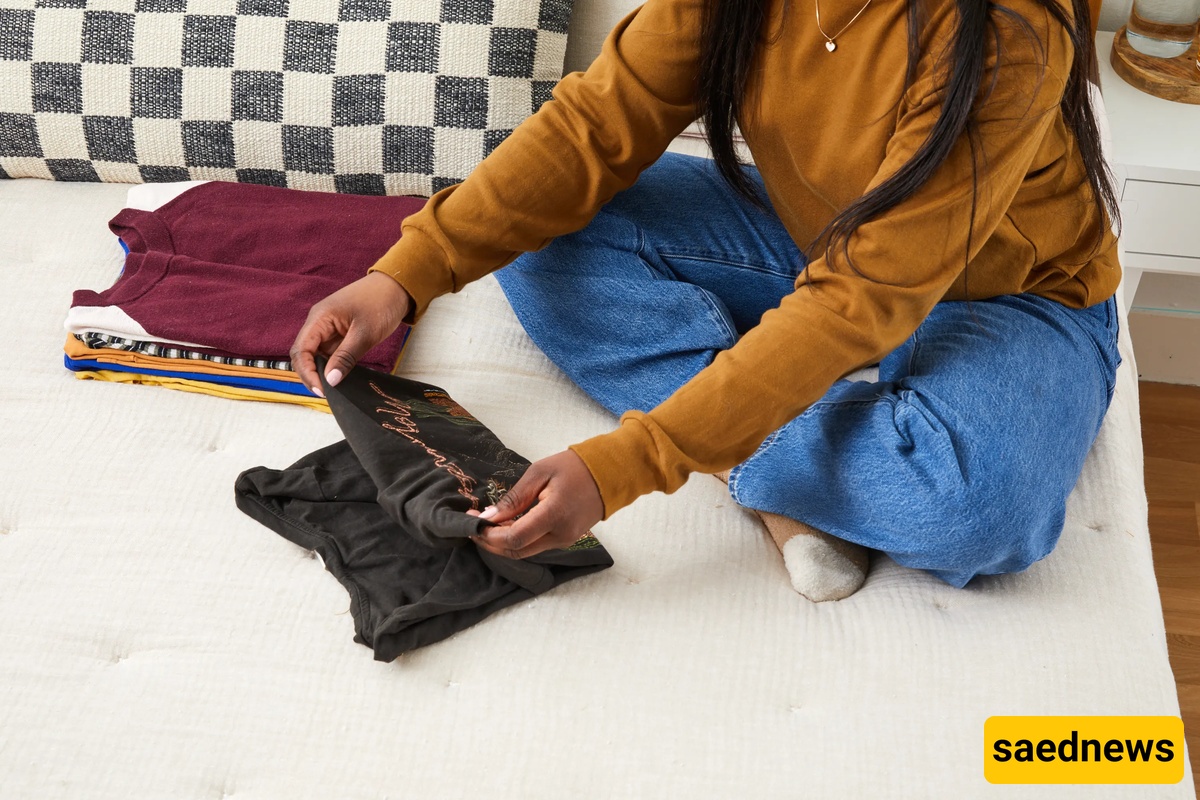
According to SAEDNEWS, folding clothes naturally creates bends in the fabric, but some methods produce deeper creases than others. When fabric is folded sharply and pressed tightly, the fibers can remain in that position for a longer period. Repeatedly folding the same areas may also make certain crease lines more noticeable.
Placing heavy clothing on top of neatly folded garments can add pressure to existing folds. Over time, the weight can make creases more pronounced, especially in thinner or softer fabrics. Avoiding excessive pressure can help garments maintain a smoother appearance.
Fabric type also influences how easily wrinkles develop. Cotton and linen can show fold lines relatively quickly, while some synthetic fabrics tend to recover their shape more easily. Thicker materials may also hold their structure better than very lightweight fabrics.
To reduce wrinkles, clothes should be folded along natural seams when possible rather than creating several sharp bends. Avoiding extremely small folds can also help. For delicate or easily wrinkled garments, placing them loosely in a drawer or storage space may be more effective than tightly compressing them.
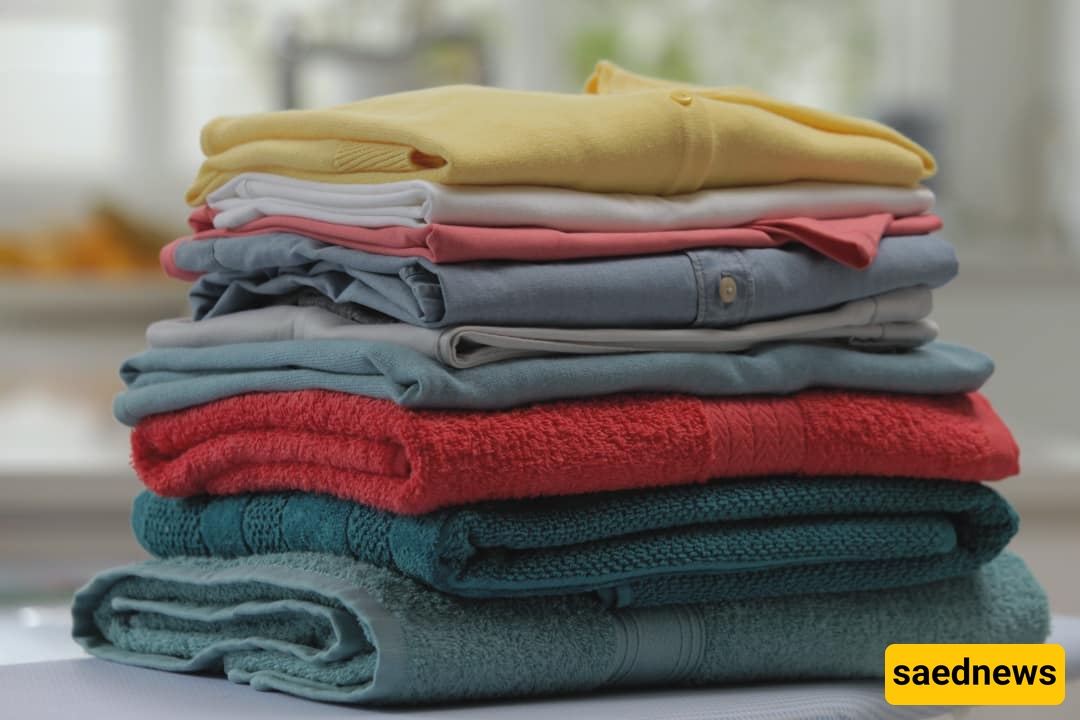
The condition of clothes after folding depends partly on how long they remain stored. Garments that stay compressed for many days may develop stronger creases. Leaving enough room between folded items and unfolding clothes periodically can help reduce permanent-looking fold marks.