SAEDNEWS: Road lines often appear brighter at night because their reflective surfaces return vehicle headlights toward drivers. Special materials and tiny reflective elements improve visibility in darkness and help drivers recognize lanes, curves, and road boundaries more easily.
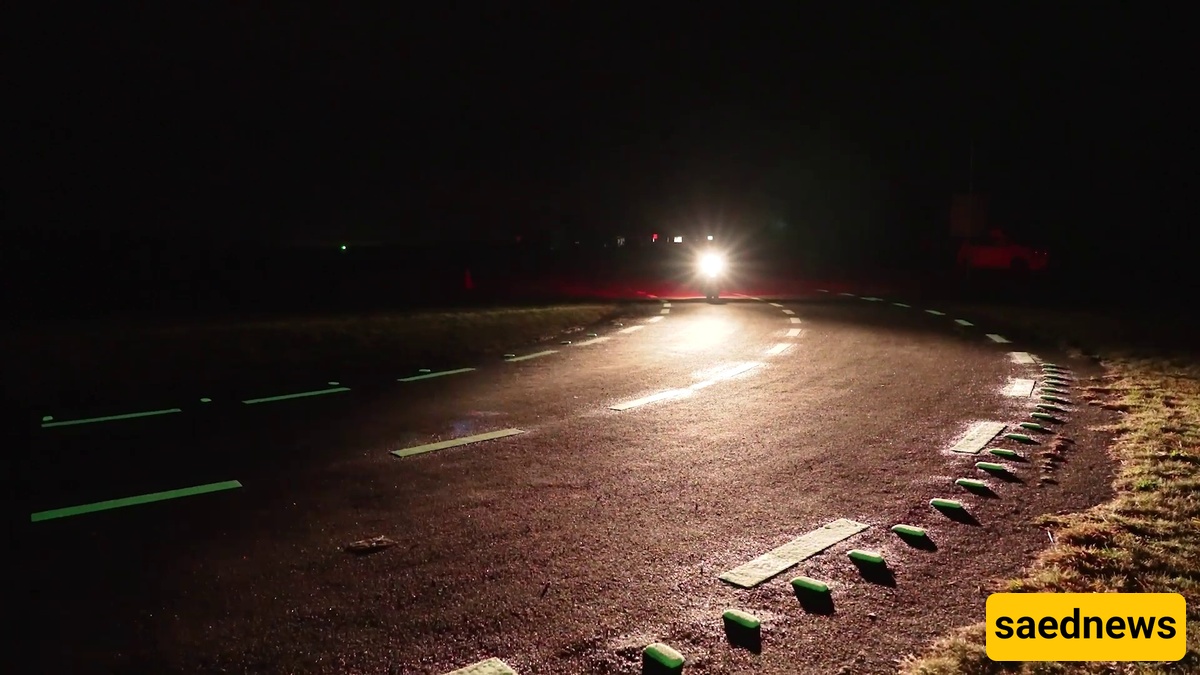
According to SAEDNEWS, road markings are designed to remain visible under different lighting conditions. Many contain tiny reflective glass beads or similar materials that bounce light from vehicle headlights back toward the driver. This process, called retroreflection, makes the lines appear noticeably brighter at night.
Vehicle headlights provide the main source of illumination for road markings after dark. When the beams reach reflective particles within the paint, much of the light is redirected toward the vehicle instead of scattering in random directions. As a result, lane markings can stand out against the darker road surface.
White and light-colored road markings reflect a large amount of visible light, making them easier to distinguish in darkness. Their contrast with the surrounding asphalt becomes especially noticeable when headlights illuminate them. Clear markings can help drivers identify lanes, road edges, and changes in direction.
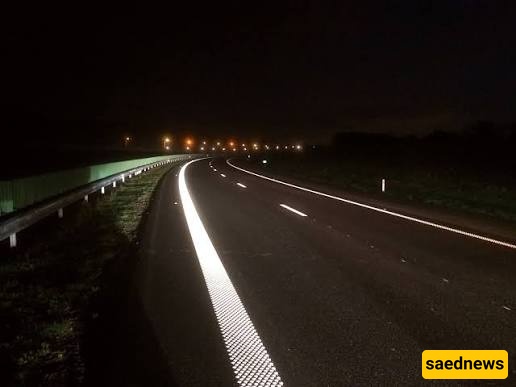
Rain, dirt, snow, and worn surfaces can reduce the effectiveness of reflective road markings. Water may cover reflective elements and change how light is scattered, while accumulated dirt can make the markings less visible. Well-maintained markings generally provide better nighttime visibility.
Bright road lines are an important part of nighttime driving because they provide visual guidance when natural light is limited. They help drivers maintain their position within lanes and recognize road boundaries, curves, and intersections. Maintaining clear and reflective markings can therefore contribute to safer travel after dark.