SAEDNEWS: Some children frequently leave their seats during homework because of boredom, difficulty concentrating, uncomfortable study conditions, tiredness, or tasks that feel too challenging. Understanding the reason behind this behavior can help parents create a calmer and more effective homework routine.
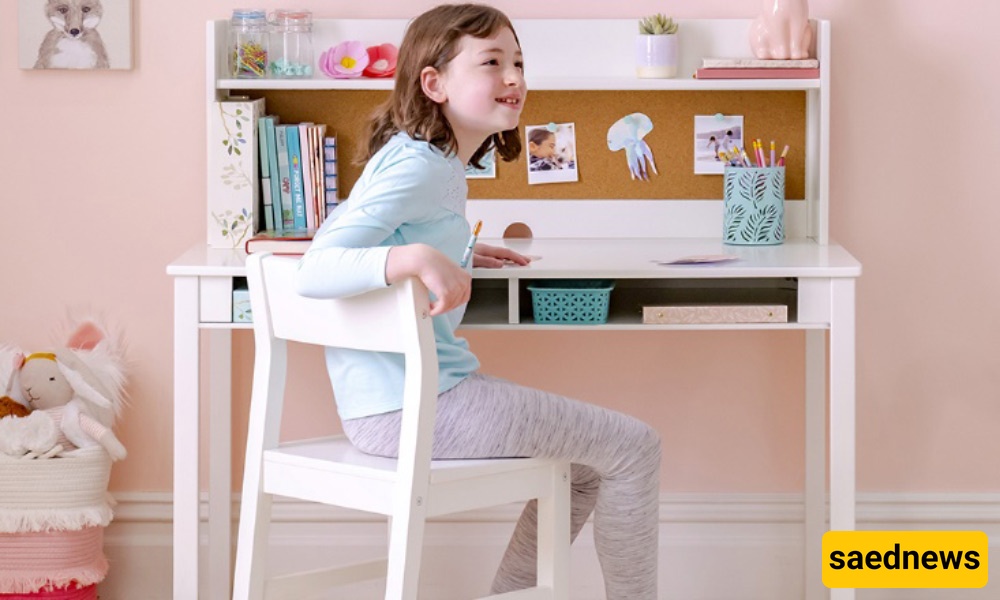
According to SAEDNEWS, children may have a shorter attention span than adults, especially when they are expected to sit and work for a long time. Repeatedly getting up can be a sign that the child needs short breaks or a change in activity rather than simply refusing to do homework.
Homework May Feel Too Difficult
When an assignment seems confusing or challenging, a child may naturally look for ways to avoid it. Getting up, walking around, sharpening a pencil, or looking for something else to do can become an easy escape from a difficult task. Breaking homework into smaller and simpler steps can make the work feel more manageable.

Distractions Can Encourage Movement
A noisy room, television, toys, frequent conversations, or a busy environment can make it harder for children to remain seated. A quiet, organized study area with only the necessary school supplies can reduce distractions and make concentration easier.
Long Study Sessions Can Be Tiring
Children may become restless when they have been sitting and studying for too long. Short, planned movement breaks can help them return to their work with better attention. Regular sleep, appropriate meals, and enough physical activity during the day can also support concentration.
Positive Routines Can Help
Instead of repeatedly telling a child to sit down, parents can establish a predictable homework routine. Setting a small goal, completing one task at a time, and allowing brief breaks can encourage better habits. If frequent restlessness occurs across many situations and significantly interferes with schoolwork or daily activities, discussing the behavior with a teacher or qualified professional may be helpful.