SAEDNEWS: Responsibility develops gradually through everyday habits and age-appropriate expectations. Giving children simple tasks, allowing them to make choices, encouraging them to solve problems, and appreciating their efforts can help them become more independent and accountable.
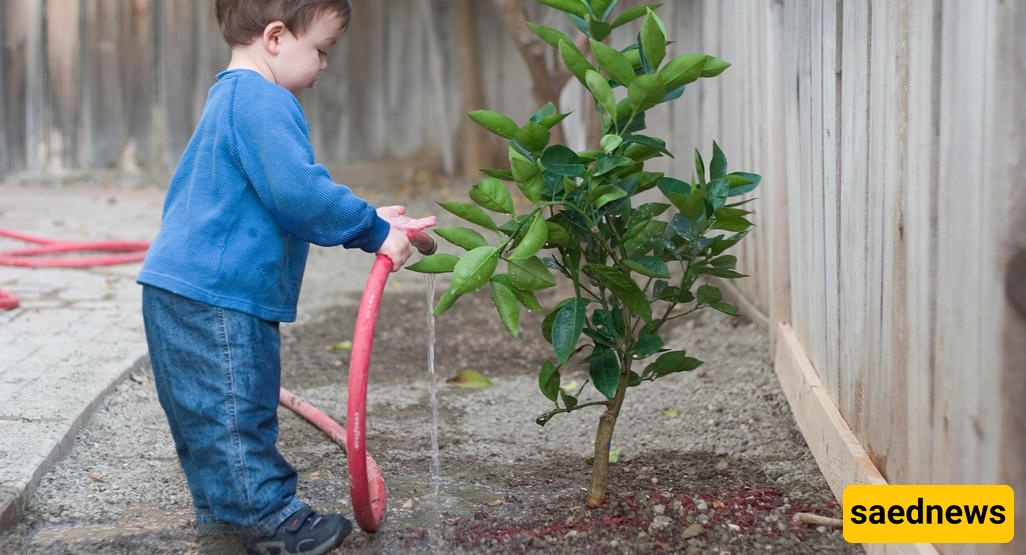
According to SAEDNEWS, children learn responsibility when they are trusted with tasks suitable for their age. Putting away toys, organizing school supplies, helping set the table, or caring for personal belongings can teach children that they have an important role in maintaining order at home.
Allowing children to make simple decisions can strengthen their sense of responsibility. Choosing between two appropriate outfits, deciding when to complete homework within an agreed period, or selecting which task to do first gives children opportunities to understand that their choices have consequences.
Parents can help children become responsible by giving them time to think before immediately solving every problem for them. When a child forgets an item, makes a small mistake, or struggles with a task, gentle questions can encourage them to consider possible solutions and learn from the experience.

Mistakes are a natural part of learning responsibility. Instead of responding with excessive criticism, parents can help children understand what went wrong and what they can do differently next time. Calm conversations teach children to acknowledge their actions and take appropriate steps to correct them.
Positive recognition can motivate children to continue responsible behaviors. Praising specific actions, such as completing a task without reminders or taking care of personal belongings, shows children that their efforts matter. Consistent routines and reasonable expectations can gradually turn these behaviors into lasting habits.