SAEDNEWS: Some children adjust to changes in their daily routines with surprising ease. Flexibility, emotional security, clear communication, and gradual exposure to new situations can help children handle changes more comfortably.
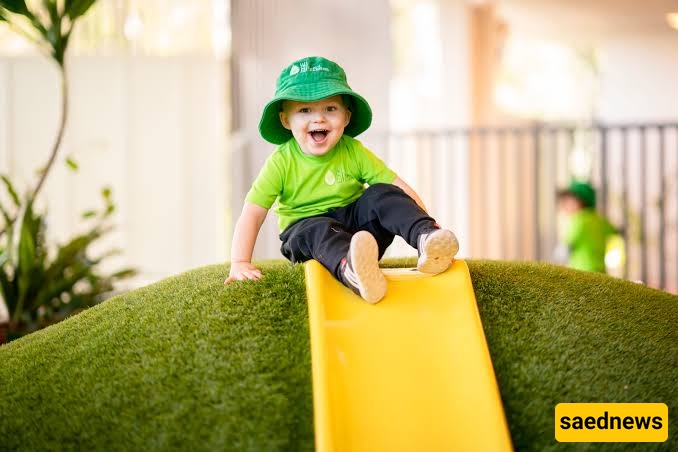
According to SAEDNEWS, children who adapt easily to changes often have a strong sense of security and understand that changes do not necessarily mean something is wrong. When their basic needs and emotional connections remain stable, a different schedule may feel manageable rather than threatening.
Children tend to respond better to changes when they feel supported by their parents or caregivers. Knowing that familiar people are available to help them can make an unfamiliar routine feel less overwhelming. Emotional reassurance can give children the confidence to accept adjustments.

Simple explanations can also make changes easier. Telling a child what will happen before changing the routine gives them time to prepare mentally. Even a short explanation about when an activity will happen can reduce uncertainty and make the transition smoother.
Children can gradually develop flexibility when they experience small, manageable changes in everyday life. Slightly changing the order of activities, trying a different route, or adjusting the timing of a familiar task can teach them that routines can change without causing problems.
Children often notice how adults react to unexpected changes. When parents remain calm and practical instead of becoming visibly stressed, children may learn to approach changes in a similar way. A relaxed response can communicate that adapting is a normal part of daily life.
Easy adjustment is not simply a personality trait. Children can strengthen their ability to adapt through consistent support, preparation, and positive experiences with change. Giving them enough time to adjust while avoiding unnecessary pressure can help flexibility become a natural part of their development.