SAEDNEWS: Children may insist on creating their own rules during play because they want to feel independent, express their ideas, control the situation, or make the game more enjoyable for themselves. Understanding this behavior can help adults guide children toward cooperation, flexibility, and respectful communication.
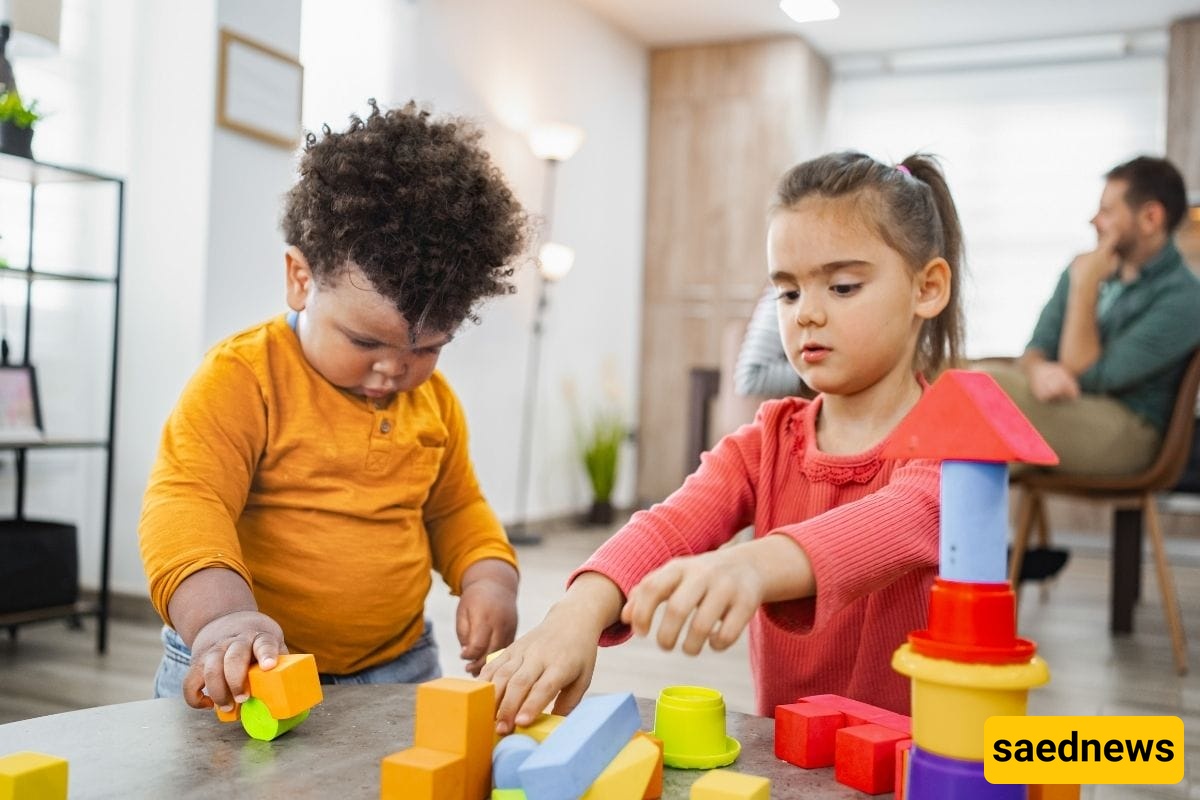
According to SAEDNEWS, wanting to set personal rules during play is a common part of childhood development. Children are learning how to make decisions and understand how their choices affect others. Creating rules can give them a sense of independence and allow them to express their imagination and preferences.
Some children create their own rules because controlling the game makes them feel more confident. They may prefer deciding who does what, how the game continues, or what happens after a mistake. Giving children small opportunities to make decisions can satisfy this need while teaching them that other players also deserve a voice.
Play is an important way for children to use their imagination. Personal rules may reflect a child's unique ideas about how a game should work. Rather than immediately rejecting these ideas, adults can encourage creativity while helping children understand when rules need to be shared and agreed upon.
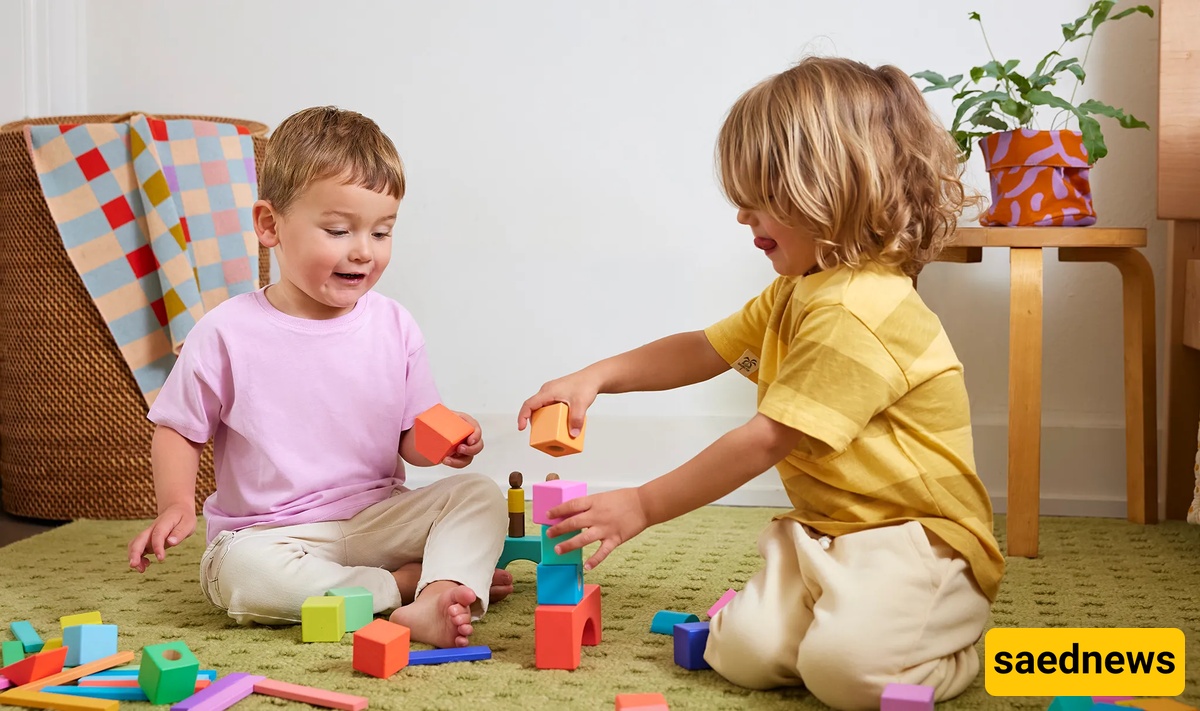
Playing with others requires children to negotiate, listen, take turns, and sometimes compromise. A child who always wants to control the rules may still be developing these skills. Gentle guidance can help them learn that enjoyable games often involve considering everyone's ideas rather than following only one person's preferences.
Parents can acknowledge the child's ideas while encouraging flexibility. Simple questions such as, "What do the other players think?" or "Can we find a rule that everyone likes?" can teach cooperation without turning play into an argument. Praising the child when they accept another person's suggestion can also reinforce positive behavior.
Children gradually learn that not every situation can follow their preferred rules. Allowing them to lead some games while taking turns with other children can provide valuable practice. With consistent encouragement, children can become more comfortable sharing control, accepting different ideas, and enjoying play as a cooperative experience.