SAEDNEWS: Some children need extra time to complete simple tasks because of their age, attention level, processing speed, tiredness, or unfamiliarity with the activity. Understanding these factors can help parents respond with patience and provide appropriate support.
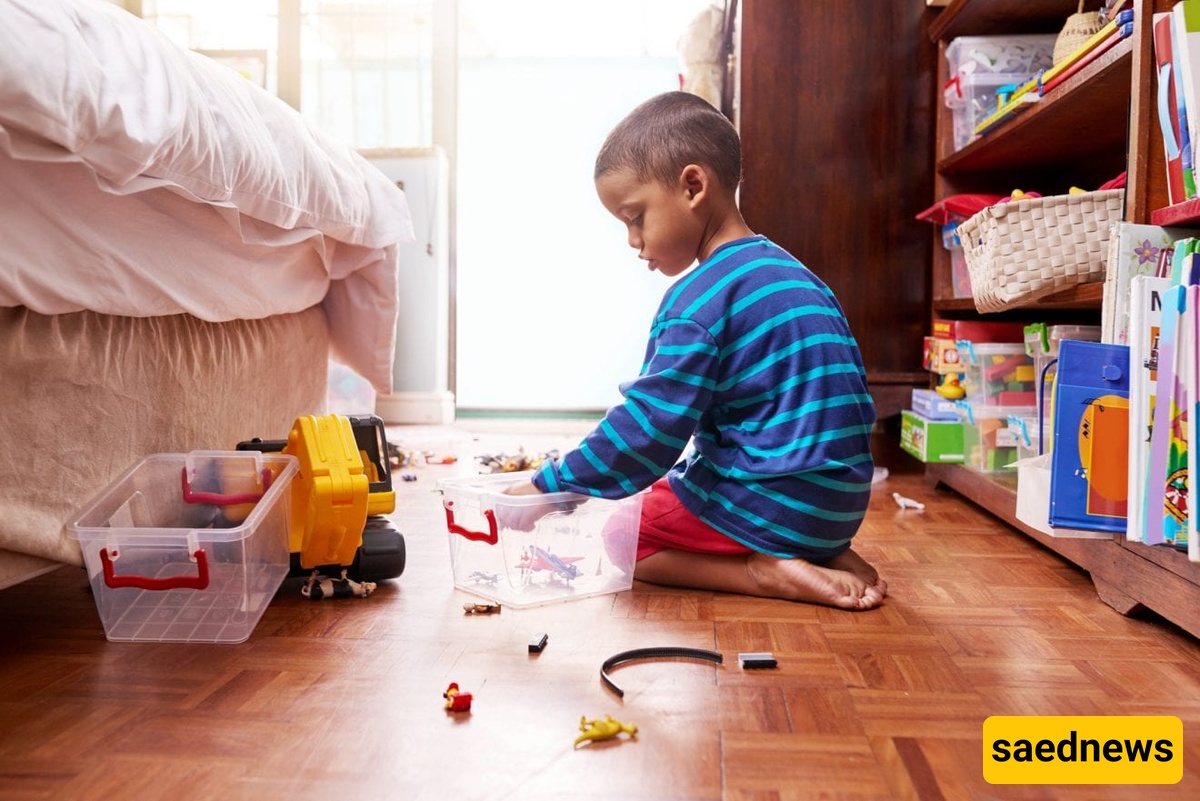
According to SAEDNEWS, children are still developing many skills needed for everyday activities. A task that seems easy to an adult may involve several steps for a child, such as remembering instructions, organizing movements, and deciding what to do next. Younger children naturally need more time as they gradually become more independent.
A child's attention may shift easily, especially when the task is repetitive or not particularly interesting. Small distractions around them can make a simple activity take longer than expected. Giving short and clear instructions and reducing unnecessary distractions can help the child stay focused.
When children are tired, hungry, or overwhelmed, they may complete familiar tasks more slowly. Their concentration and motivation can decrease, even when they already know how to perform the activity. Allowing a short break and choosing an appropriate time for the task may make it easier.
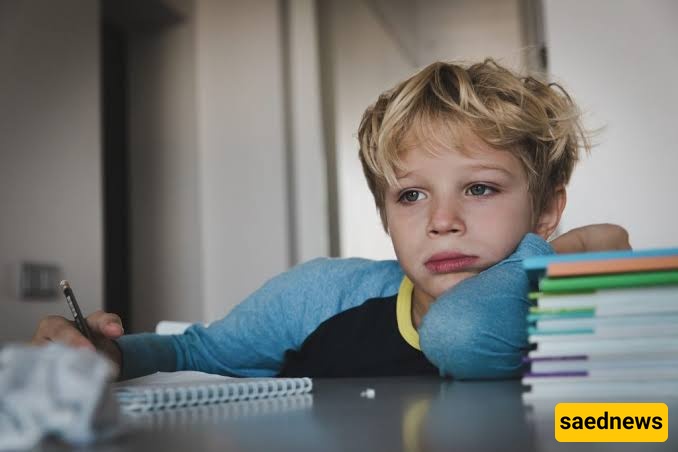
Children may take extra time because they are carefully thinking about how to complete an activity. They may be trying to remember a sequence, solve a small problem, or avoid making a mistake. Rather than rushing them, parents can offer simple guidance while allowing the child to try independently.
Giving children reasonable time to finish tasks can encourage confidence and independence. Constantly rushing or completing the task for them may reduce opportunities to practice. With encouragement, clear expectations, and age-appropriate responsibilities, children can gradually become faster and more comfortable with everyday activities.