SAEDNEWS: Some days, dust seems to accumulate around the home much faster than usual. Weather conditions, dry air, open windows, outdoor activity, airflow, and household movement can all increase the amount of dust entering and settling indoors. Understanding these factors can make daily cleaning easier and more effective.
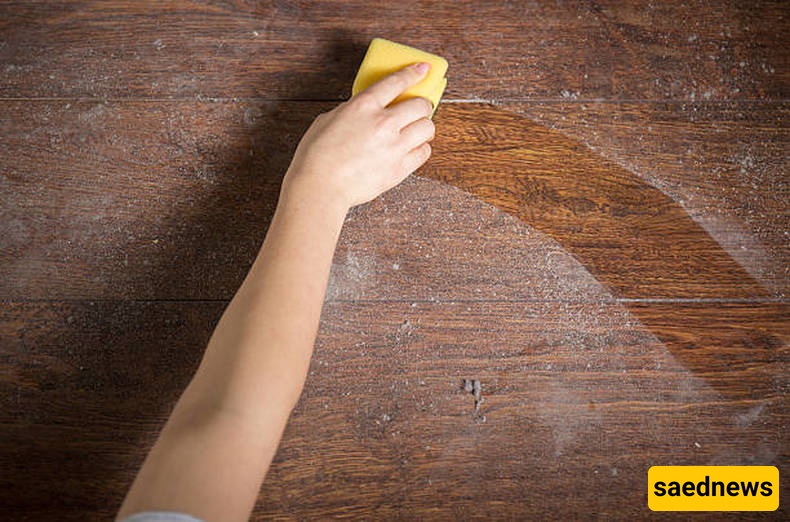
According to SAEDNEWS, windy and dry days can bring more airborne particles into the home. Strong outdoor air movement can carry soil, pollen, and tiny particles that enter through windows, doors, and other openings. Dry conditions also allow dust to remain suspended in the air for longer before settling on furniture and floors.
Keeping windows open for fresh air can sometimes increase indoor dust, especially when outdoor conditions are dusty or windy. Frequently opening and closing exterior doors can have a similar effect by allowing particles from outside to enter. Using window screens and keeping doors closed when unnecessary can help reduce the amount of dust coming indoors.

Very dry indoor air can make dust easier to move through the room. When humidity is low, lightweight particles may remain airborne longer and spread more easily through the home's airflow. Maintaining a comfortable level of indoor humidity can help particles settle more quickly and may make cleaning surfaces easier.
Fans, heating systems, air conditioners, and frequent movement around the home can stir up dust that has already settled. Walking across carpets, moving furniture, or shaking fabrics can send tiny particles back into the air. Regularly cleaning floors, fabrics, and air vents can help limit this cycle.
Reducing dust requires attention to both indoor and outdoor sources. Clean floors regularly, wipe surfaces with a slightly damp cloth, wash household fabrics periodically, and keep windows and doors closed during particularly dusty conditions. Paying attention to the days when dust accumulates fastest can also help identify the main source and improve the home's cleaning routine.