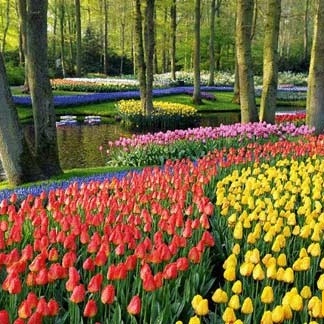
SAEDNEWS: These gardens are among the most famous in the world, widely regarded as some of the finest and most remarkable ever created.
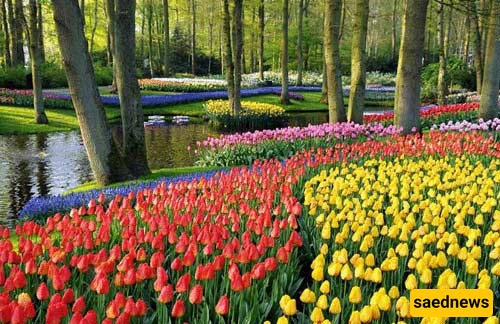
Discover 7 spectacular gardens from around the world, celebrated for their extraordinary beauty, unique designs, and breathtaking landscapes.
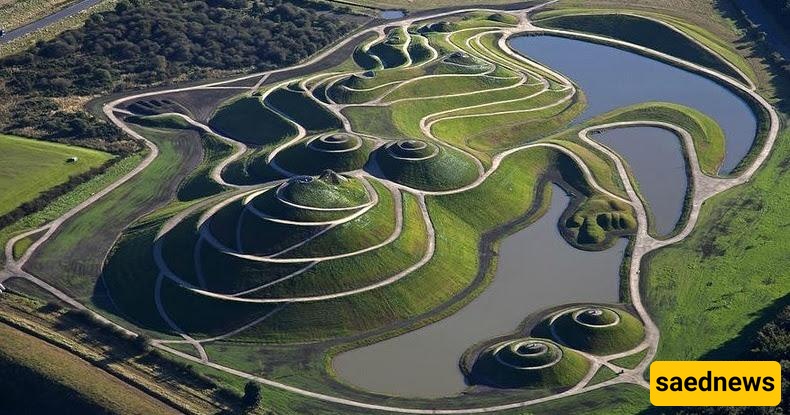
This extraordinary garden is open to the public only one day each year. Its design incorporates science, mathematics, and complex natural patterns, making it unlike any other garden in the world.
Created in 1989 by Charles Jencks and his late wife, Maggie Keswick, the garden was inspired by ideas far beyond conventional landscape design. Rather than focusing solely on traditional gardening, it uses imaginative forms and structures to encourage visitors to reflect on the nature of the universe and the world around them.
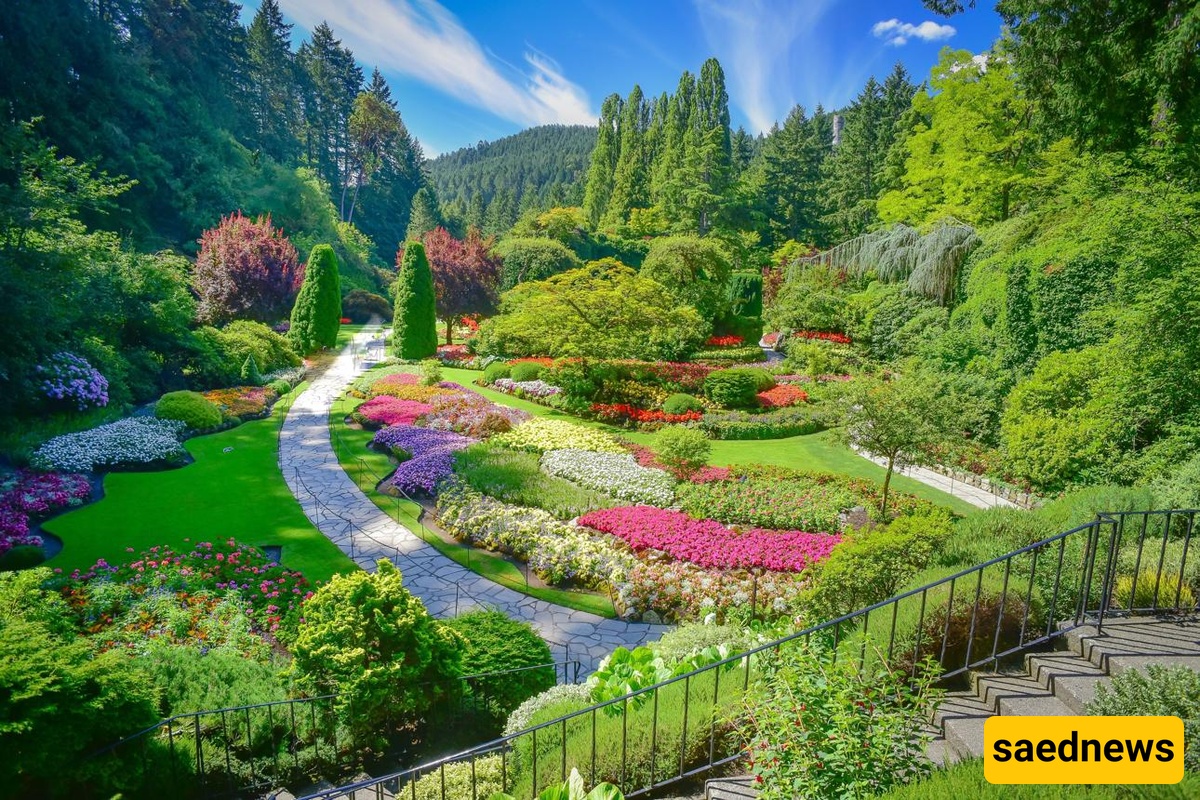
Butchart Gardens is one of the world's most celebrated botanical attractions, widely regarded as a masterpiece of garden design. Located in British Columbia, Canada, it offers visitors an unforgettable experience filled with spectacular landscapes and colorful floral displays.
Covering approximately 50 hectares near Victoria on Vancouver Island, the gardens remain beautiful throughout the year. From the vibrant colors of summer to the peaceful atmosphere of winter, they maintain their charm in every season.
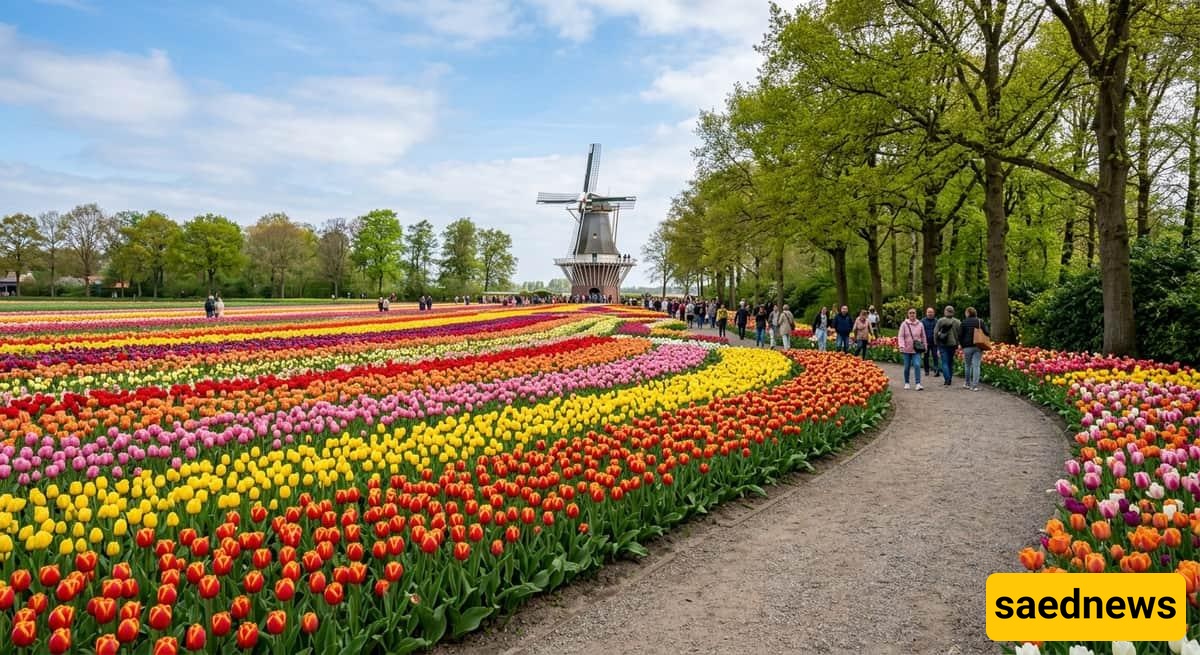
Keukenhof is a magnificent floral paradise, showcasing an extraordinary variety of flowers in breathtaking arrangements. With its international reputation, it has become one of the Netherlands' most popular tourist destinations.
Approximately seven million tulips are planted here, including specially cultivated varieties and unique hybrids. Among its most remarkable attractions is the striking black Russian tulip known as 'Baba Yaga', which adds to the garden's distinctive character.
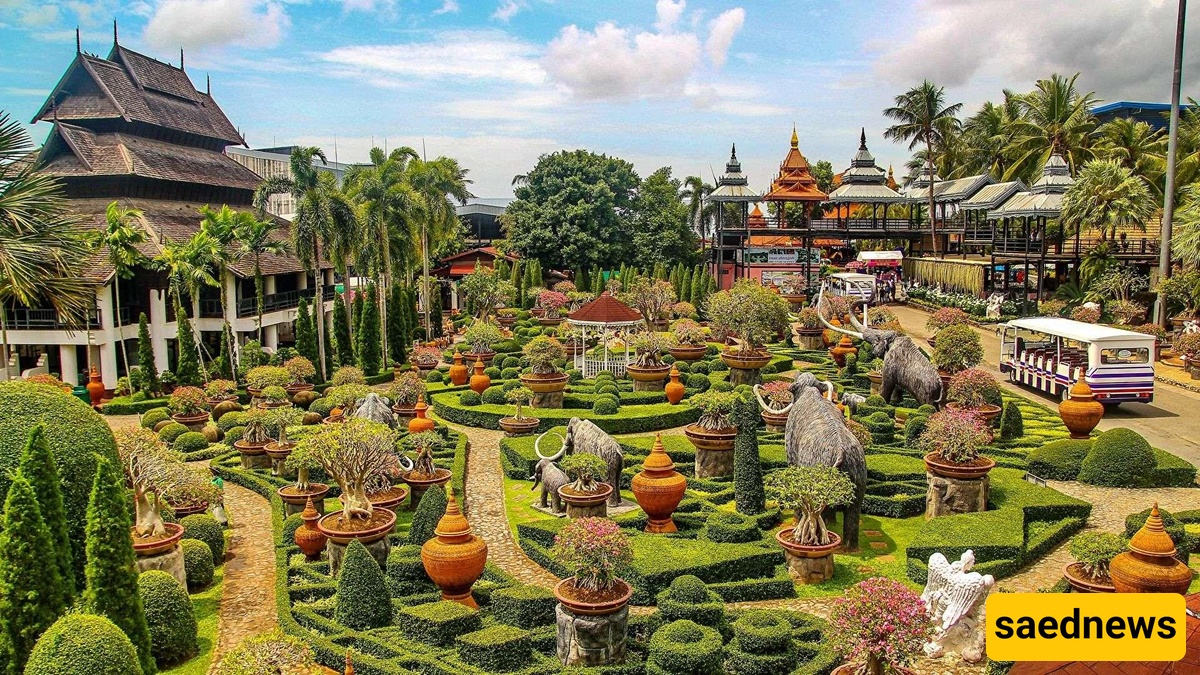
Located in Pattaya, Suan Nong Nooch is a spectacular tropical garden famous for its magnificent scenery and beautifully landscaped surroundings. Almost every corner of this remarkable park looks like something from a fairy tale.
The 600-hectare property features traditional Thai-style houses, villas, restaurants, swimming pools, and extensive botanical collections.
The land was purchased in 1954 by Pisit and his wife, Nong Nooch, originally with plans to establish a fruit plantation. However, after traveling abroad, Nong Nooch decided to create a tropical garden filled with ornamental plants and flowers instead.
The garden officially opened to the public in 1980 under the name Suan Nong Nooch, with Suan meaning garden in Thai.
Today, it is also a cultural attraction where visitors can experience Thai traditions and cultural performances. Approximately 2,000 people visit the garden daily, which also serves as a conservation area for numerous plant and palm species.
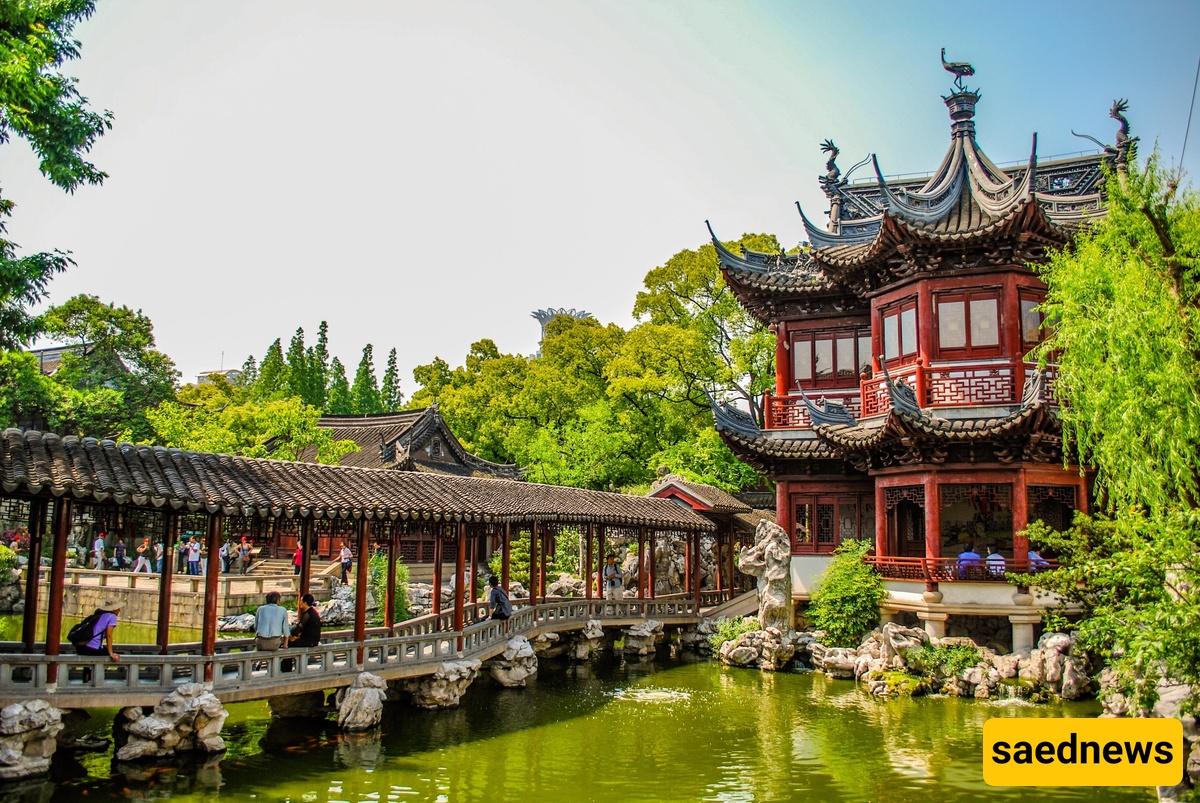
Yu Garden is believed to have been created approximately 400 years ago during the Ming Dynasty. Designed in the traditional Chinese style, it features impressive rock formations, beautiful ponds, decorative gateways, and zigzag bridges separating its various sections and pavilions.
Over the centuries, the garden has undergone several renovations and periods of public access.
Following the death of Pan Yunduan and the decline of the Pan family, the garden fell into disuse. Although wealthy local residents later helped restore it, several civil conflicts during the mid-19th century caused considerable damage.
In 1956, following the liberation of Shanghai, the garden underwent another major restoration, eventually regaining much of its former beauty and grandeur. It reopened to the public in 1961.
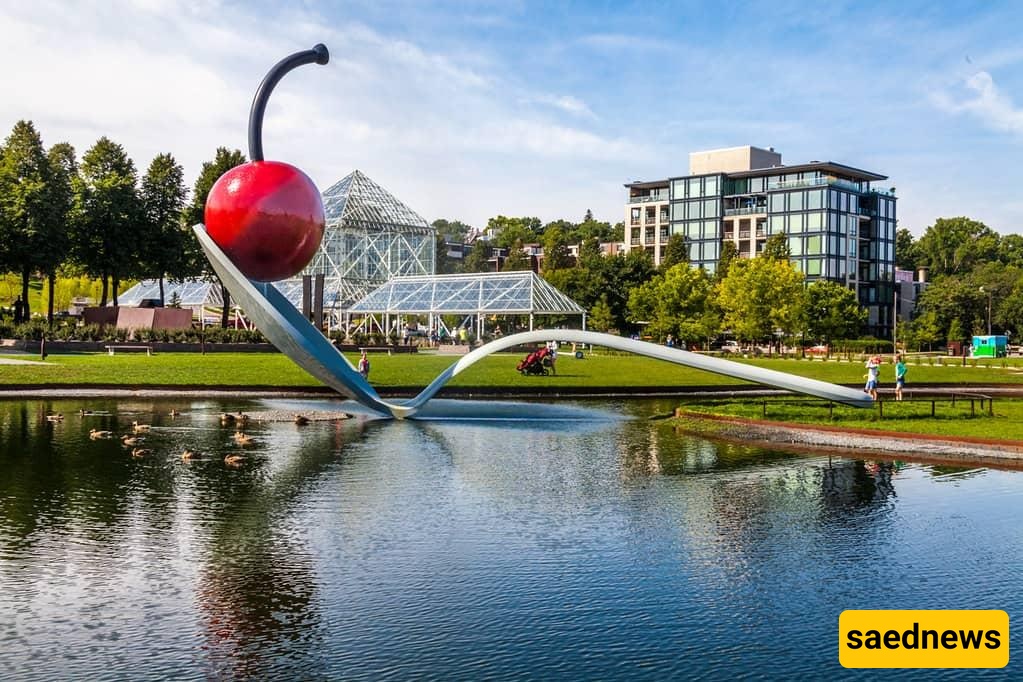
The Minneapolis Sculpture Garden is one of the city's most treasured cultural attractions and a major highlight of its artistic landscape. Its most recognizable feature is the famous Spoonbridge and Cherry sculpture, an iconic landmark of Minnesota.
Artists Claes Oldenburg, a Swedish-American sculptor renowned for creating enormous versions of everyday objects, and his wife and artistic collaborator, Coosje van Bruggen, were commissioned to design and create the sculpture.
Their previous projects included several monumental public artworks, such as the famous Batcolumn in Chicago.
Over the years, Oldenburg had repeatedly explored the spoon as a central artistic theme, inspired by an idea he had developed in 1962.
For the Minneapolis project, the spoon was transformed into an enormous sculptural centerpiece. Van Bruggen added the cherry as a playful contrast to the garden's formal geometry. Its design also evoked the grandeur of Versailles and the elaborate dining ceremonies associated with King Louis XIV.
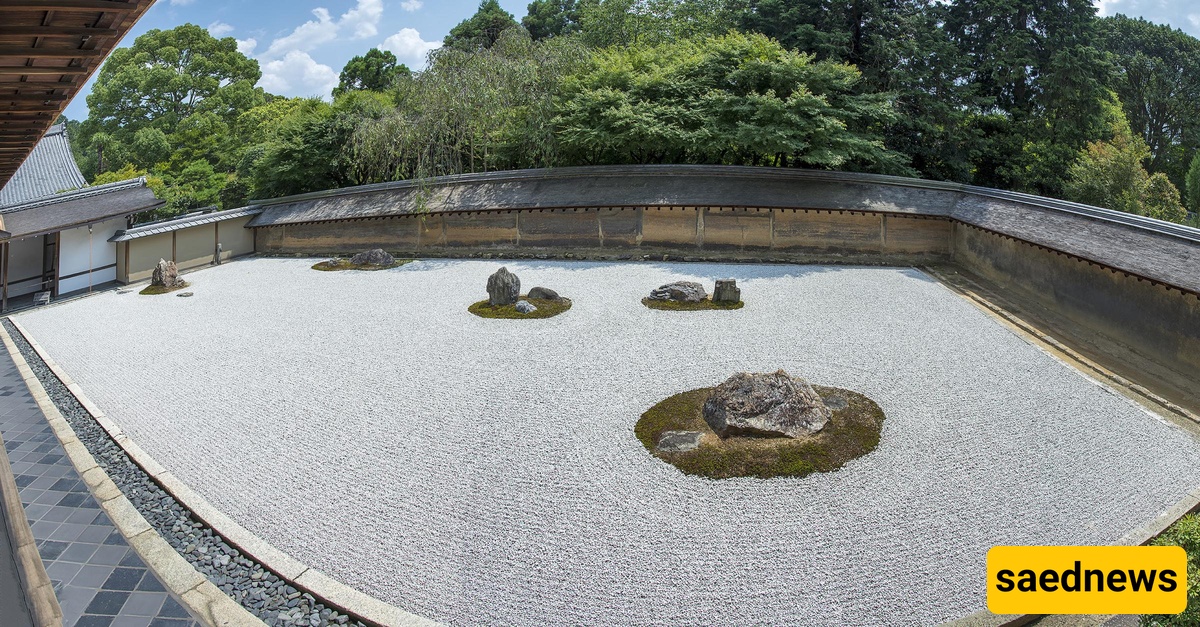
Ryoan-ji Temple in Kyoto, Japan, is world-famous for its Zen rock garden and is considered one of the finest examples of traditional Japanese dry landscape design.
Often associated with Zen Buddhist philosophy, the garden is regarded as one of the greatest artistic achievements of Japanese culture.
Surrounded by low walls, the garden features a simple yet fascinating arrangement of 15 rocks set within a bed of carefully raked white gravel.
Little is known about the garden's original creator or the exact date of its construction. What makes it particularly remarkable is that its essential design has remained unchanged for centuries.
Behind the temple, overlooking the peaceful rock garden, stands a stone water basin known as Tsukubai, traditionally said to have been donated by Mitsukuni Tokugawa.
The basin bears a simple but meaningful four-character inscription that can be interpreted as:
"I learn only to be content."
Its message reflects the Zen philosophy of appreciating what one already has rather than constantly seeking more.