SAEDNEWS: Why Are Your Donuts Dense, Hard, or Doughy in the Middle? Discover the Common Mistakes Behind Failed Donuts and Learn How to Make Soft, Fluffy Donuts That Stay Light Without Cracking or Drying Out.

Sometimes donuts look perfectly golden on the outside, but when you cut them in half, the inside is still doughy. Other times, instead of being soft and fluffy, they turn out hard, dry, or fail to rise properly.
In most cases, the problem isn't the recipe itself. The amount of flour, the freshness of the yeast, the dough's resting time, and the oil temperature all affect the final result. If your homemade donuts aren't turning out as expected, their appearance and texture can help you identify the cause.
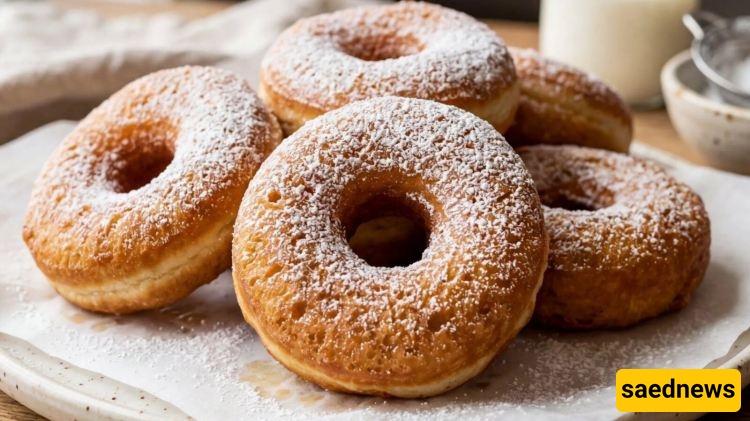
If your donuts turn out flat, heavy, and smaller than expected after frying, start by checking the yeast. Old or inactive yeast prevents the dough from rising properly. The liquid used to prepare the dough should not be too hot, as excessive heat can damage the yeast.
Using too much flour can also prevent donuts from rising properly. Donut dough should not be dry or stiff. Knead the dough for 8–10 minutes. If you keep adding flour to eliminate its stickiness, your donuts may end up heavy and dense instead of light and fluffy.
After cutting out the donuts, give them enough time to rest. If you put them straight into the oil, they may not rise properly. On the other hand, letting them rest for too long can also affect the results.
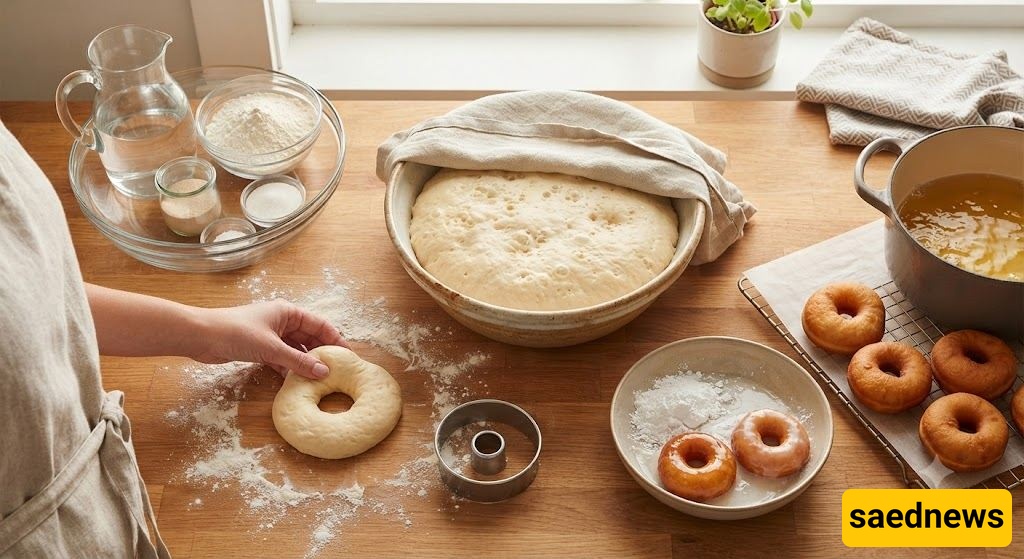
If your donuts are golden brown on the outside but still doughy in the middle, the oil is probably too hot. When the oil is excessively hot, the outside fries quickly, leaving the inside insufficient time to cook.
Cutting the dough too thick can cause the same problem. Thick donuts need more time to cook through. If they stay in the oil too long, the outside may burn while the center remains undercooked.
So, if your donuts turn brown too quickly but remain doughy inside, lower the oil temperature slightly instead of simply increasing the frying time.
One of the main reasons donuts become hard is using too much flour. Donut dough can be slightly sticky, so avoid repeatedly adding flour just to prevent it from sticking to your hands. Excess flour makes the dough heavy and the finished donuts hard.
Insufficient resting time can also affect their texture. If the dough hasn't risen enough before shaping or frying, the donuts won't become soft and airy.
If your donuts turn dark and hard very quickly, check the oil temperature as well. The oil may be too hot.
Dry donuts aren't necessarily hard. Sometimes the inside has a relatively good texture, but it lacks enough moisture, making the donuts feel dry when eaten.
Too much flour, insufficient liquid in the dough, and frying the donuts for too long are common causes. Oil that is too hot can also dry out the surface quickly.
If your donuts were soft immediately after frying but became dry a few hours later, improper storage may be the problem. Once they have cooled, place them in an airtight container to prevent exposure to air and moisture loss.

If the surface of your donuts cracks during frying, start by checking the dough's texture. Dry, stiff dough is less flexible and more likely to crack as it expands.
Insufficient resting time after cutting the donuts can also cause cracks. When the dough hasn't rested enough, it may rise too quickly once placed in hot oil, causing the surface to split.
After cutting, let the shaped donuts rest for another 30–45 minutes.
So, if your donuts keep cracking, don't immediately add more yeast. Instead, check the amount of flour, the softness of the dough, and the resting time after shaping.
Your donuts can quickly show you whether the oil is too hot or too cold.
If the donuts turn dark very quickly but remain doughy in the middle, the oil is too hot.
If they take too long to fry and absorb too much oil, the temperature is too low.
The ideal oil temperature for frying donuts is generally around 175–180°C (347–356°F).
If you don't have a kitchen thermometer, avoid constantly increasing and decreasing the heat once the oil is hot. Also, don't add too many donuts to the pan at once, as this can cause the oil temperature to drop suddenly.
Use fresh, active yeast.
Avoid adding too much flour to eliminate stickiness.
Don't rush the dough's first rise. Allow it to rest for 60–90 minutes at approximately 30–35°C (86–95°F), or until it doubles in size.
Never skip the resting period after shaping the donuts.
Cut the donuts to an even thickness. Around 1.2–1.5 cm is ideal.
Avoid overheating the oil.
Don't fry too many donuts at the same time.
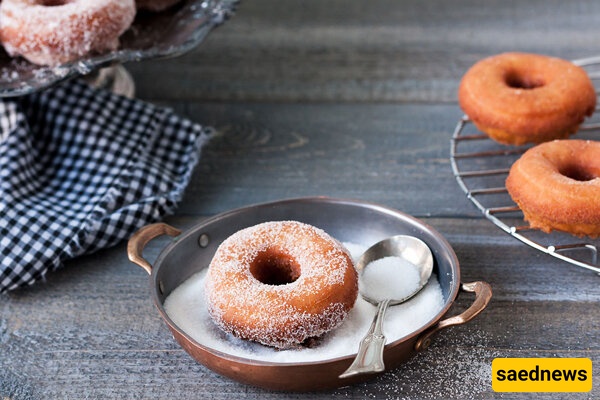
If your donuts don't rise, remain doughy in the middle, or become hard and dry after frying, check these factors before changing your recipe. In most cases, the problem comes down to the amount of flour, the dough's resting time, or the oil temperature.
Suggested SEO title (without advertisements):
Common Donut Problems: Why They Happen and How to Fix Them
Suggested meta description:
Discover why homemade donuts become dense, dry, doughy, or cracked. Learn the common causes and simple tips for making soft, fluffy, perfectly fried donuts.
Image translation: I can translate the text inside your original pictures while preserving their existing design, layout, colors, and appearance. However, the pictures themselves weren't attached to your message. Please upload the original images so I can edit them into English rather than recreate them.