SAEDNEWS: Children often develop strong preferences for certain foods while refusing others. Taste, smell, texture, appearance, familiarity, and previous experiences can all influence what a child chooses to eat. Understanding these factors can help parents respond calmly and encourage a more varied diet without creating unnecessary pressure.
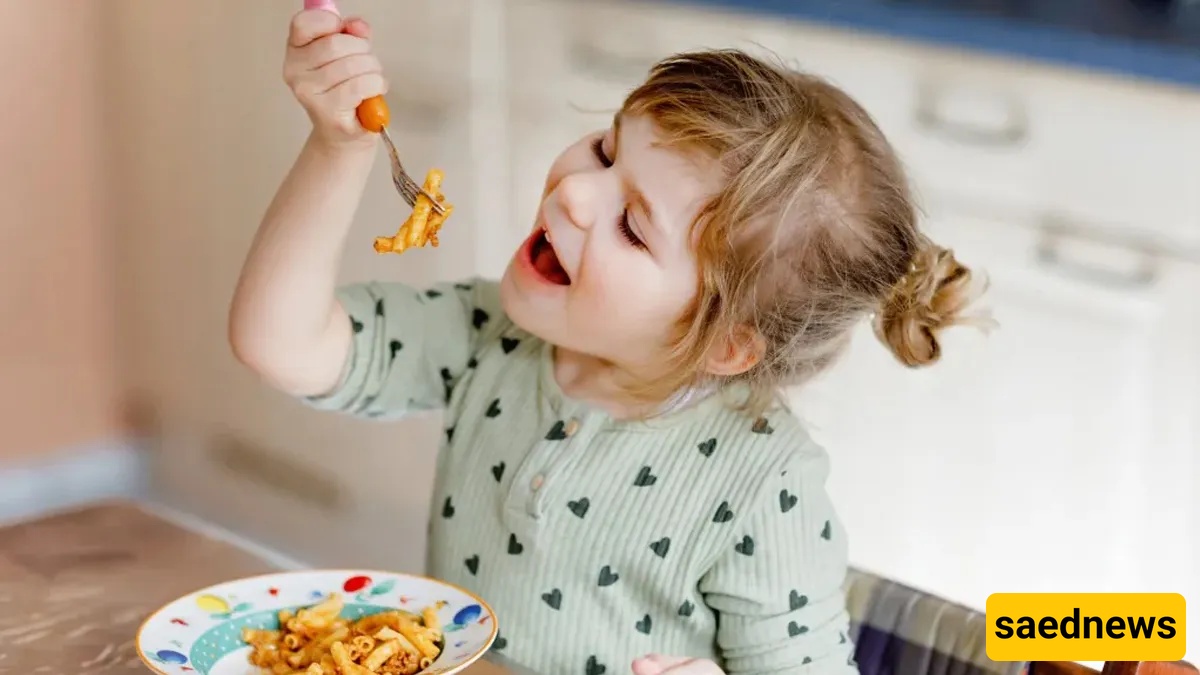
According to SAEDNEWS, children experience flavors and textures differently, which can strongly affect their food choices. Some may prefer mild and familiar flavors, while others enjoy sweeter or more noticeable tastes. The texture of food can also matter. A child might happily eat soft foods but reject foods that feel crunchy, chewy, sticky, or unfamiliar.
Children are often more comfortable with foods they have seen and eaten repeatedly. A new food may initially seem strange because of its color, smell, shape, or appearance. With gentle and repeated exposure, children may gradually become more willing to taste it. Offering unfamiliar foods alongside foods they already enjoy can make the experience less intimidating.
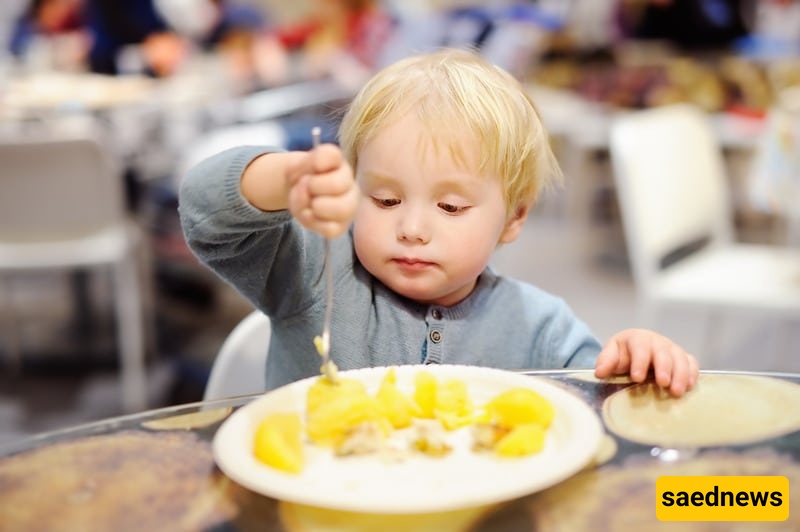
A child's reaction to food may also be influenced by past experiences. If a particular food once caused discomfort, was associated with pressure, or was served in an unpleasant situation, the child may become reluctant to eat it again. Positive and relaxed mealtimes can help children develop more comfortable attitudes toward different foods.
Food preferences can change depending on hunger, tiredness, mood, and daily routines. A child who is tired or not very hungry may reject a food that they normally accept. Parents can avoid unnecessary conflict by maintaining regular meal and snack times and allowing children to decide how much they want to eat from the foods provided.
Instead of forcing a child to finish or taste something, parents can offer small portions and give children opportunities to interact with new foods at their own pace. Eating together, keeping mealtimes pleasant, and continuing to offer a variety of nutritious foods can gradually expand a child's preferences. Patience is important because accepting a new food may take several attempts.