SAEDNEWS: Play is an essential part of childhood that supports thinking, learning, creativity, and problem-solving skills. Through age-appropriate games, children can develop curiosity, improve concentration, and learn how to understand the world around them.
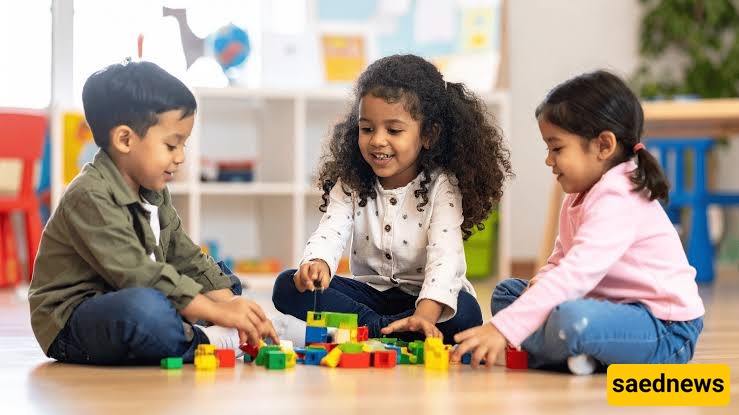
According to SAEDNEWS, play gives children an enjoyable way to learn and practice new skills. Building, sorting, drawing, solving puzzles, and imaginative activities encourage children to think carefully, make choices, and understand relationships between different ideas.
Games often present small challenges that require children to find solutions. When a child tries different approaches, makes mistakes, and tries again, they gradually learn how to analyze problems and choose better strategies.
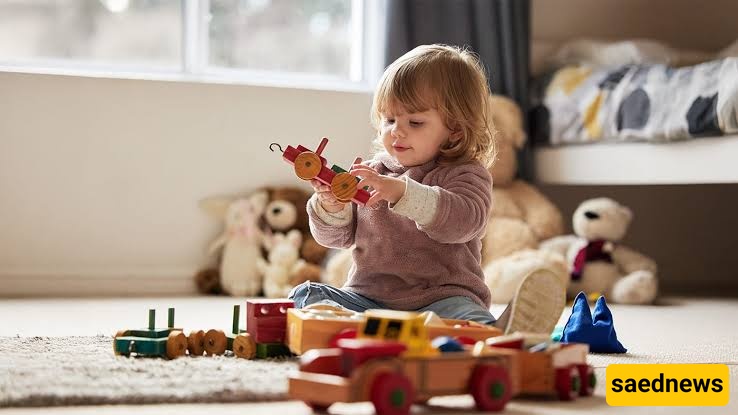
Play provides children with opportunities to create stories, designs, and new ideas. Imaginative activities help them use their minds flexibly and consider different possibilities rather than relying on only one solution.
Many games require children to remember rules, recognize patterns, or focus on a specific task. Regular play can therefore provide useful practice for attention, memory, and mental organization while keeping learning enjoyable.
During play, children can make simple decisions and experience the results of those choices. Such experiences encourage independence, curiosity, and confidence in their ability to think and learn. Balanced play alongside daily routines can help children develop important intellectual skills naturally.