SAEDNEWS: Play is a natural and important part of childhood that supports learning, creativity, emotional development, and social skills. Giving children enough time to play can help them become more confident, curious, and capable of handling everyday challenges.
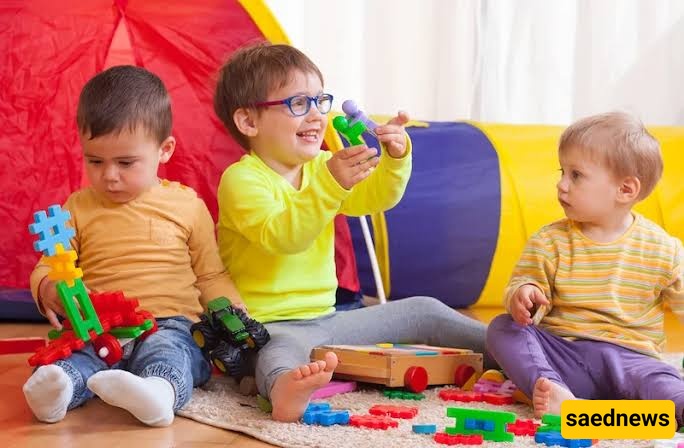
According to SAEDNEWS, children learn many important skills through play without always realizing they are learning. Building, drawing, solving simple puzzles, and creating imaginary situations can improve problem-solving, concentration, language, and coordination. Play allows children to understand the world through hands-on experiences rather than relying only on direct instruction.
Play gives children an opportunity to create their own ideas and stories. When children decide what to build, draw, or pretend, they practice thinking independently and finding different solutions. Regular opportunities for creative play can also encourage curiosity and help children become more comfortable with expressing their thoughts.
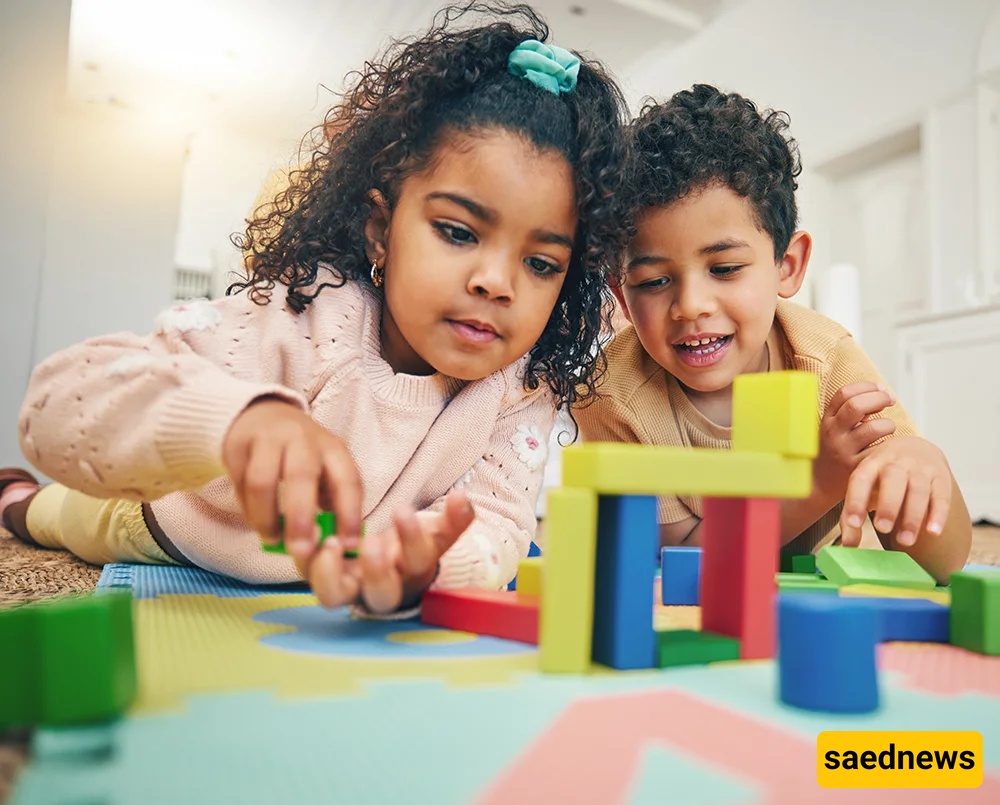
Children may not always have the words to explain their feelings. Play can provide a safe way to express happiness, frustration, fear, or disappointment. During play, children can practice dealing with small challenges, waiting for their turn, and coping with changes. These experiences can gradually strengthen emotional control.
Playing with siblings, friends, or family members teaches children how to communicate and cooperate. They learn to share, listen, follow simple rules, solve disagreements, and respect other people's ideas. Such experiences can make social interactions easier and help children develop stronger relationships.
A busy schedule can leave children with little time for free play. While learning activities and responsibilities are valuable, children also need unstructured time to choose enjoyable and age-appropriate activities. A healthy balance between learning, rest, family time, and play gives children space to develop naturally and enjoy childhood.