SAEDNEWS: Children may express anger through crying, shouting, or refusing to cooperate. Calm responses, understanding their feelings, setting clear boundaries, and teaching healthy ways to communicate can help children manage anger more effectively.
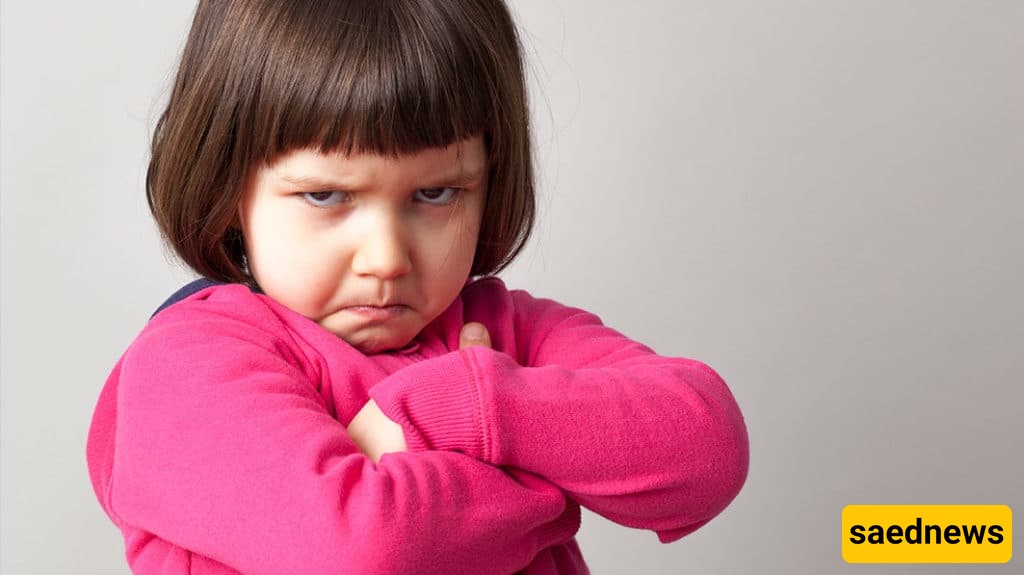
According to SAEDNEWS, children often become angry when they feel tired, frustrated, ignored, disappointed, or unable to explain what they need. Understanding the reason behind the behavior is an important first step. Parents can observe what happened before the outburst and listen carefully once the child becomes calmer.
A calm adult response can help reduce the intensity of a child's anger. Speaking softly, avoiding harsh reactions, and giving the child a little space can prevent the situation from becoming more difficult. Children gradually learn emotional control by observing how adults handle stressful moments.

Children need to know that their feelings are understood, but they also need clear boundaries. Parents can say that it is acceptable to feel angry but not acceptable to hurt someone, throw objects, or use disrespectful language. Consistent and simple rules make expectations easier for children to understand.
Children can learn practical strategies for managing strong emotions. Taking slow breaths, sitting quietly for a few minutes, drinking some water, or talking about the problem can help them regain control. Parents can practice these methods with children when they are calm so the strategies become easier to use during difficult moments.
After the anger has passed, parents can gently discuss what happened. Asking questions such as “What made you upset?” or “What could we do differently next time?” encourages children to recognize their emotions and find better solutions. Regular conversations can gradually improve emotional awareness and communication.