SAEDNEWS: Tomatoes are one of the most widely used foods in our daily diet. In this article, we will explore their calorie content, nutritional value, and potential health benefits.
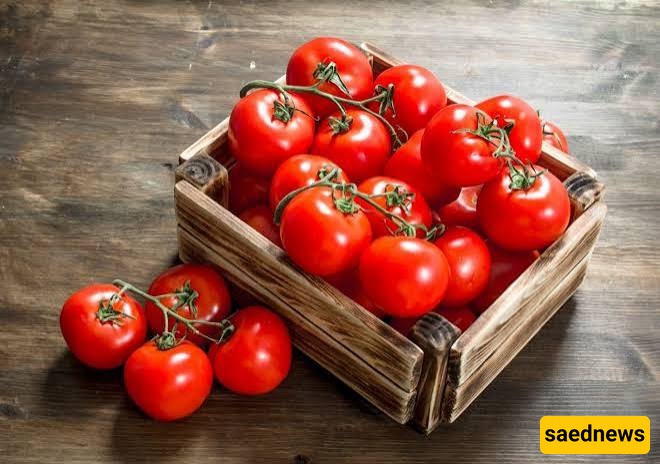
According to Saednews, Tomatoes are not only attractive in color and shape, but they are also delicious and packed with nutrients. However, some people may be allergic to tomatoes.
Tomatoes have a high nutritional value.
Every 100 grams of raw tomato contains approximately 18 calories.
Nutrient | Per 100 g |
|---|---|
Calories | 18 kcal |
Carbohydrates | 3.89 g |
Protein | 0.88 g |
Fat | 0.20 g |
Water | 94.52 g |
Fiber | 1.20 g |
Sugar | 2.63 g |
Cholesterol | 0 mg |
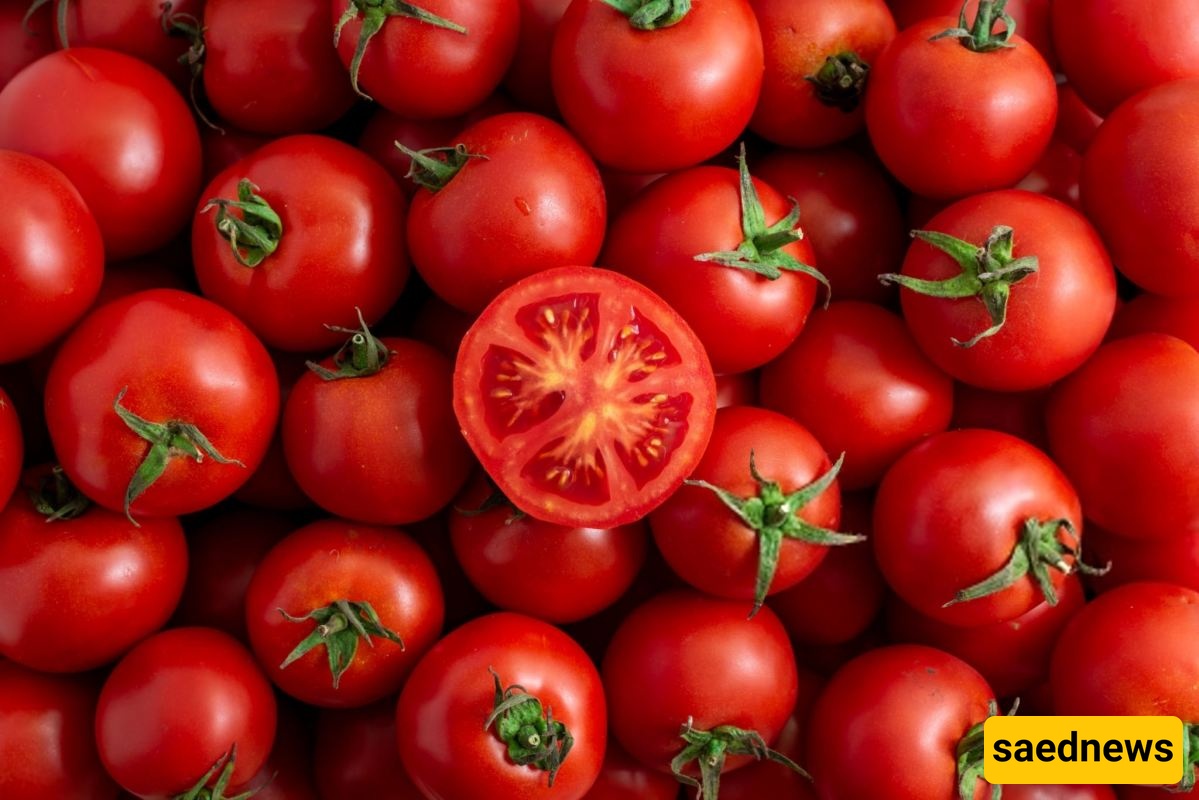
Every 100 grams of cooked tomato contains approximately 18 calories.
Nutrient | Per 100 g |
|---|---|
Calories | 18 kcal |
Carbohydrates | 4.01 g |
Protein | 0.95 g |
Fat | 0.11 g |
Water | 94.34 g |
Fiber | 0.70 g |
Sugar | 2.49 g |
Cholesterol | 0 mg |
Because tomatoes contain fiber and relatively little sugar, they can be a useful addition to a weight-management diet. A simple breakfast option is whole-grain or barley bread served with fresh tomatoes.
Tomatoes are naturally low in sugar and contain very little sodium, making them a suitable food choice for many people, including those managing diabetes or high blood pressure. However, tomato juice and sauces can contain added sugar or sodium, so nutrition labels should be checked.
Tomatoes contain antioxidants and other nutrients that may support healthy-looking skin. Tomato-based preparations are traditionally used in some homemade skincare routines to help reduce excess oil and improve the appearance of the skin.
Tomato juice is also sometimes combined with ingredients such as lemon juice or honey and applied as a homemade facial treatment. Tomato-based masks are traditionally used for oily skin and acne-prone skin.
Tomatoes may also contribute to overall skin health because of their antioxidant content.
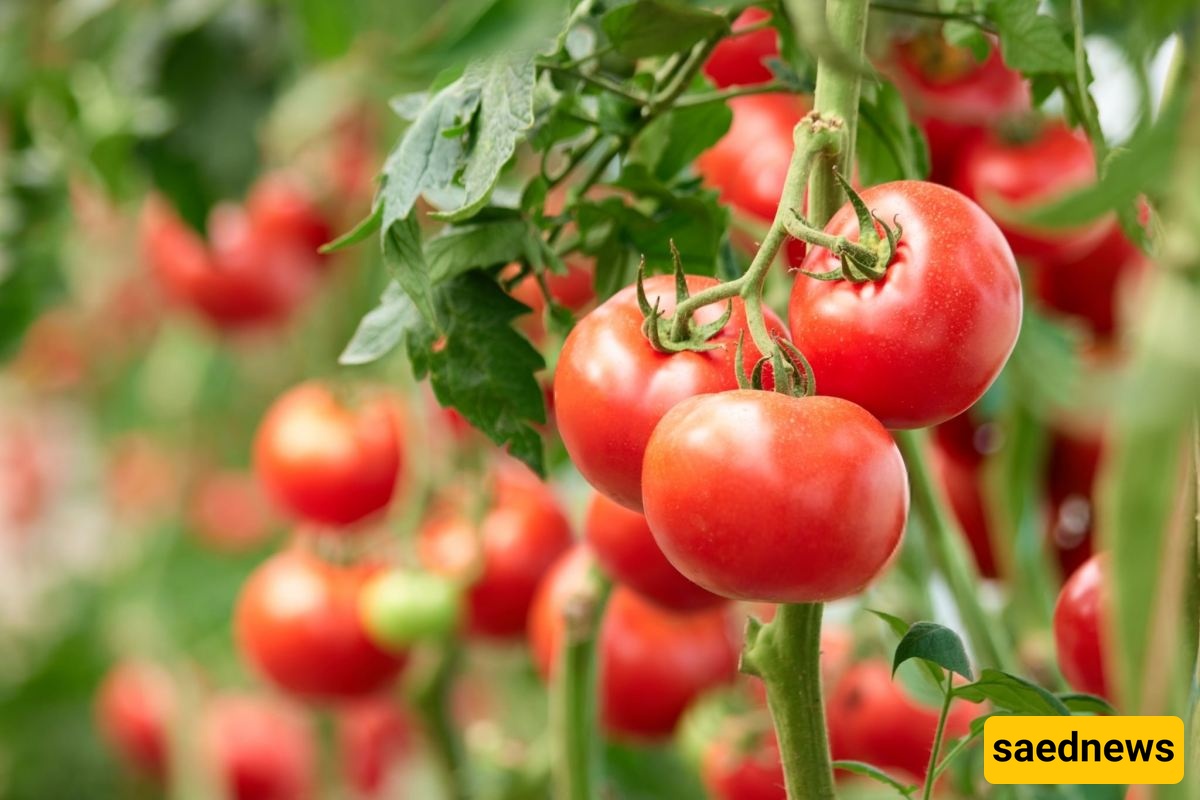
Tomatoes may:
Help support healthy muscle function.
Contribute to normal eye health.
Help protect cells from oxidative stress caused by free radicals.
Support a healthy body weight when included in a balanced diet.
Contribute to healthy teeth and bones.
Provide nutrients that support healthy skin.
Be a useful component of a balanced Mediterranean-style diet.
Tomatoes are an important part of many Mediterranean dishes and are commonly consumed fresh, cooked, or as tomato sauce. Research on Mediterranean-style eating patterns has associated this dietary pattern with better cardiovascular health and other health benefits.
Tomatoes are particularly rich in lycopene, a carotenoid pigment with antioxidant properties. Cooking tomatoes and consuming them with a small amount of healthy fat can increase the body's ability to absorb lycopene.
Tomatoes also contain other carotenoids, including alpha-carotene, beta-carotene, and lutein. They also provide vitamins C and E, along with beta-carotene, which the body can use to produce vitamin A.
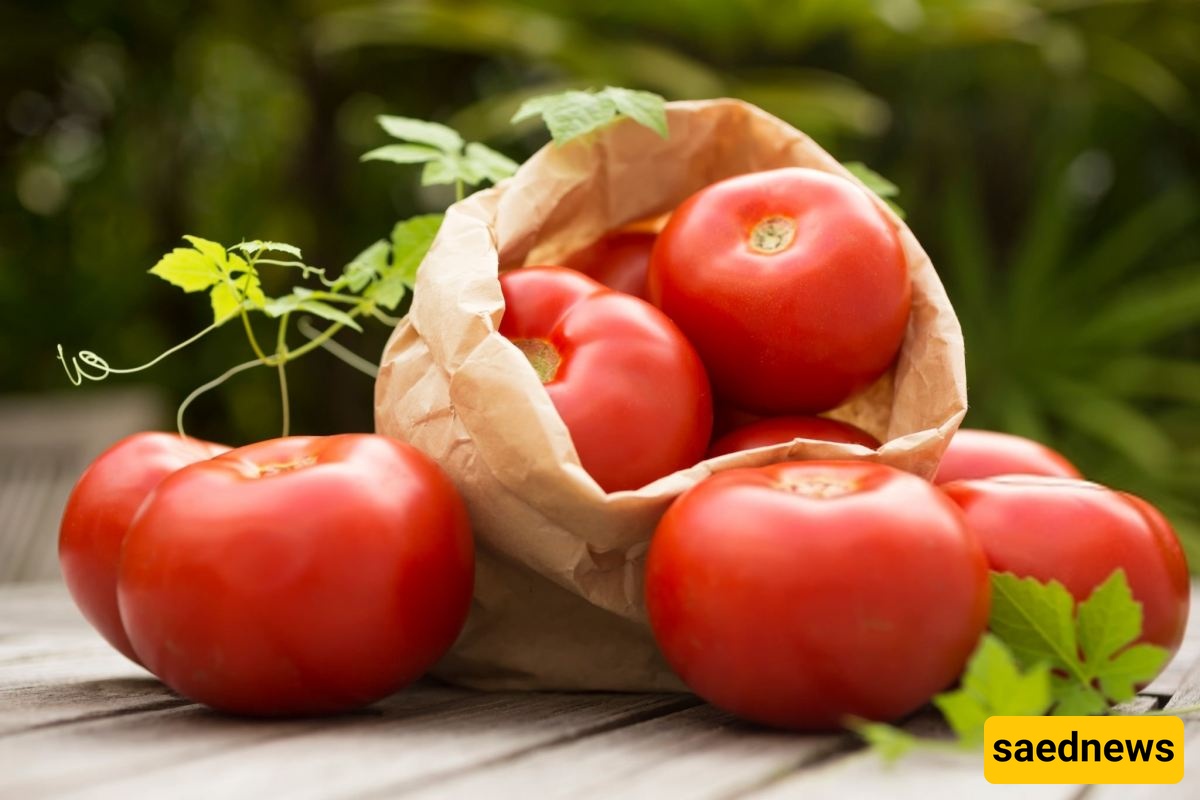
Tomatoes are a good source of potassium, an essential mineral involved in normal muscle and nerve function. Tomato juice and tomato sauce can provide significant amounts of potassium, although the exact amount varies by product.
Tomatoes contain several beneficial carotenoids, including alpha-carotene, beta-carotene, lutein, and lycopene. These compounds have different functions and may provide additional benefits when consumed as part of a varied diet.
Some research has also examined tomato products and lycopene levels in breast milk among breastfeeding women.
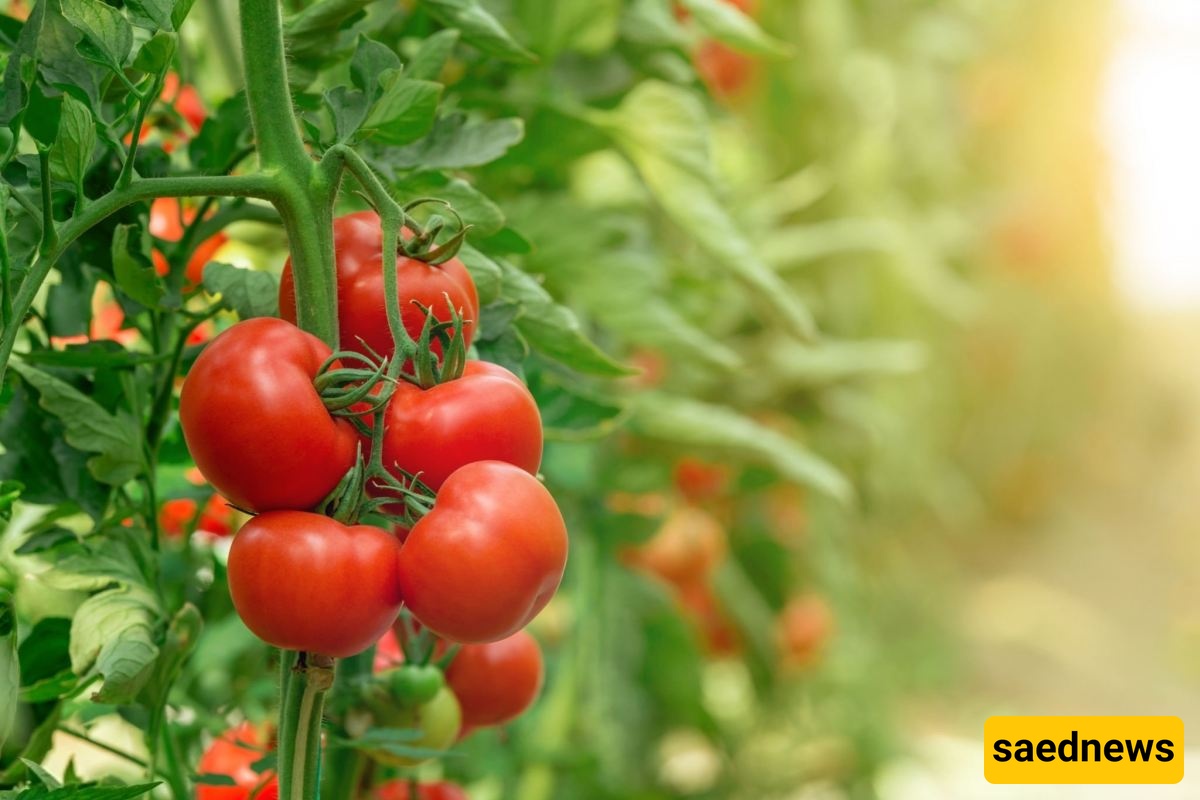
Tomato skin contains beneficial compounds, including carotenoids. Some research suggests that tomato paste containing the skin may provide greater carotenoid availability than paste made without the skin. Therefore, when appropriate, keeping the skin on tomatoes can help retain some of their nutritional value.
Note: Tomatoes can be part of a healthy, balanced diet, but individual health effects vary. People with a tomato allergy or intolerance should avoid them or follow medical advice.