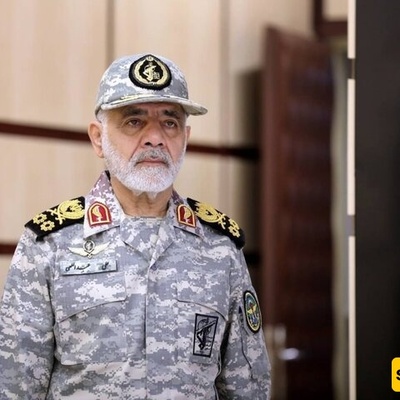
SAEDNEWS: Iranian Navy Commander Rear Admiral Shahram Irani rejected claims that Iran’s naval forces have been destroyed, saying Iranian forces have remained deployed for more than 175 days along what he calls the “Strait of Velayat’s Uhud,” stretching from Pakistan’s border toward Oman.
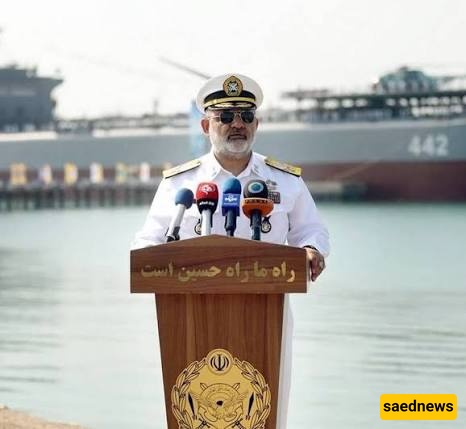
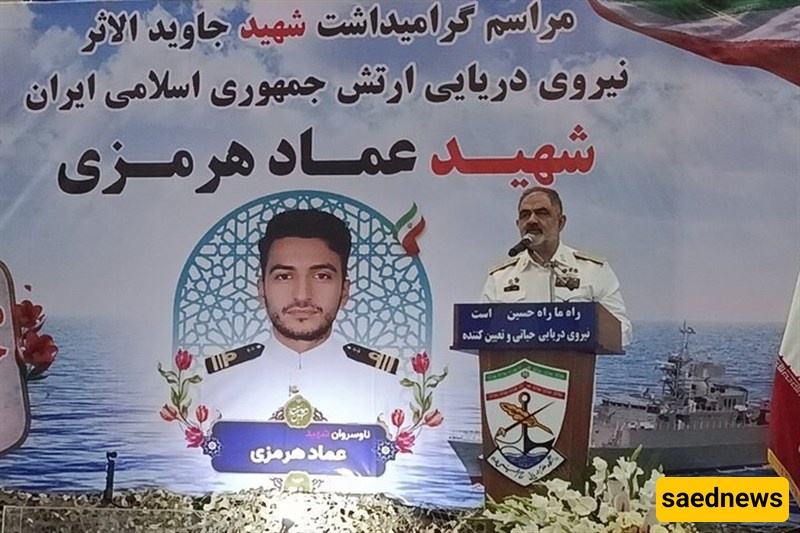
According to SaedNews: Speaking at a memorial ceremony for Martyr Emad Hormozi in Nowshahr, Rear Admiral Shahram Irani, commander of Iran’s strategic naval forces, rejected claims that Iran’s Navy has been destroyed. He said Iranian personnel have been deployed for more than 175 days along what he described as the “Strait of Velayat’s Uhud,” a maritime line extending from the Pakistani border to Ras al-Hadd in Oman, at the entrance to the Gulf of Oman and the Indian Ocean.
Irani said repeated claims about the Strait of Hormuz and the alleged destruction of Iran’s Navy raise a simple question: if those claims were true, why has the enemy not dared to move even a millimeter into this area? He added that Iranian ships continue to operate from different ports and pass through the area, arguing that the country’s naval power is therefore being demonstrated in the field rather than existing merely as a claim.
The commander acknowledged that Iran may not have performed as strongly as it should have in media and publicity, but said the public should know that Iranian soldiers remain deployed there and have prevented the enemy from advancing.
Irani also honored the memory of the martyrs of the Ramadan War and those of the Iranian Army and Islamic Revolutionary Guard Corps, describing them as people who gave their lives for Iran and its population. He said their mission continues through their surviving comrades.
Explaining the name, Irani said the designated line runs from Pakistan’s border to Ras al-Hadd in Oman. He linked the term “Uhud” to the Battle of Uhud in Islamic history, where Muslims suffered losses after failing to follow the Prophet Muhammad’s order. For him, Uhud represents a duty and responsibility.
He said Iran’s current assignment is to maintain a presence and control in the northern Indian Ocean. According to Irani, this mission was given to the country’s forces and has been carried out. Another responsibility, he added, is preventing anyone from advancing beyond that line or reaching Iranian territory.
Irani connected the mission to Martyr Emad Hormozi, saying Hormozi and his comrades had been operating inside enemy territory and alongside its forces days before his death to assess conditions and prepare for their mission.
He described Hormozi as an operations officer and central figure aboard a warship. When Irani asked whether he was ready to face the enemy, Hormozi reportedly answered that he would do what was expected of him, even if he did not return.
The commander said such determination existed among the martyrs and remains among their comrades. He also said naval personnel mourn their fallen colleagues, but added that their grief strengthens their resolve. “We cry for the martyrs, but the drops of our tears create a storm,” he said, stressing that the death of comrades had made their responsibility heavier and reinforced their stated determination to continue their path and seek revenge for those killed.
Irani also addressed attacks on Iranian infrastructure, saying the enemy had announced plans to target the country’s infrastructure but had failed to recognize what he considers Iran’s principal infrastructure: its people.
He said Iran’s broader infrastructure is rooted in its civilization and culture, while many bridges and other facilities that were targeted have since been rebuilt and returned to service. In his view, the enemy underestimated the strength of the Iranian people, while their unity and determination have prevented Iran’s adversary from achieving its aims.
The commander also highlighted Nowshahr and Mazandaran’s role in producing naval commanders and martyrs. He said many senior naval commanders and fallen personnel had roots in the region, while Nowshahr’s Naval Sciences University had trained personnel who emerged from the same tradition and served in the country’s defense.
Referring to senior commanders who were killed, including Major General Mousavi, Major General Razaghi and Lieutenant General Shadmani, Irani said their deaths carried important messages and that their path continues.
In his final remarks, Irani described preserving domestic unity as one of the most important requirements for maintaining the country’s strength. He warned that if the enemy believes it can damage the unity of the Iranian people, it could gain an opportunity to deliver what he called a final blow to the system and the country.
He called for safeguarding national cohesion and preventing outside efforts from damaging public unity and solidarity. Irani concluded that the strength and determination of the Iranian people had forced the enemy to stop and become immobilized, adding that if the country possesses the knowledge and capability to steer its course, it can guide the national ship toward the right destination.