SAEDNEWS: How to Wash Pillows in a Washing Machine: Best Temperature, Detergent, and Drying Method
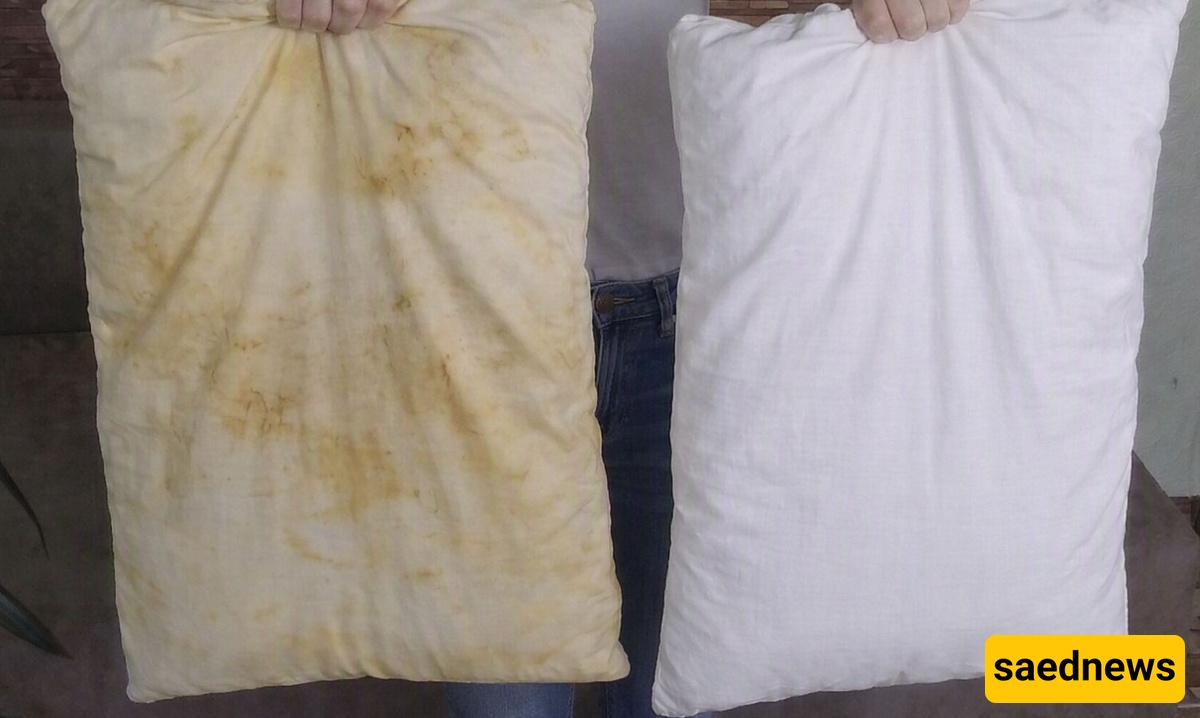
According to Saednews, Pillows are constantly exposed to sweat, skin oils, dust, dead skin cells, and allergens. Over time, they can develop unpleasant odors and lose their original shape and quality. For this reason, washing your pillows regularly is an important part of keeping your bedroom clean and hygienic. However, the correct washing method depends on the pillow’s material and filling, and not every type of pillow can be cleaned in the washing machine.
Before washing a pillow, always check its care label. If the label is missing or unreadable, look for the manufacturer’s cleaning instructions on the product’s official website.
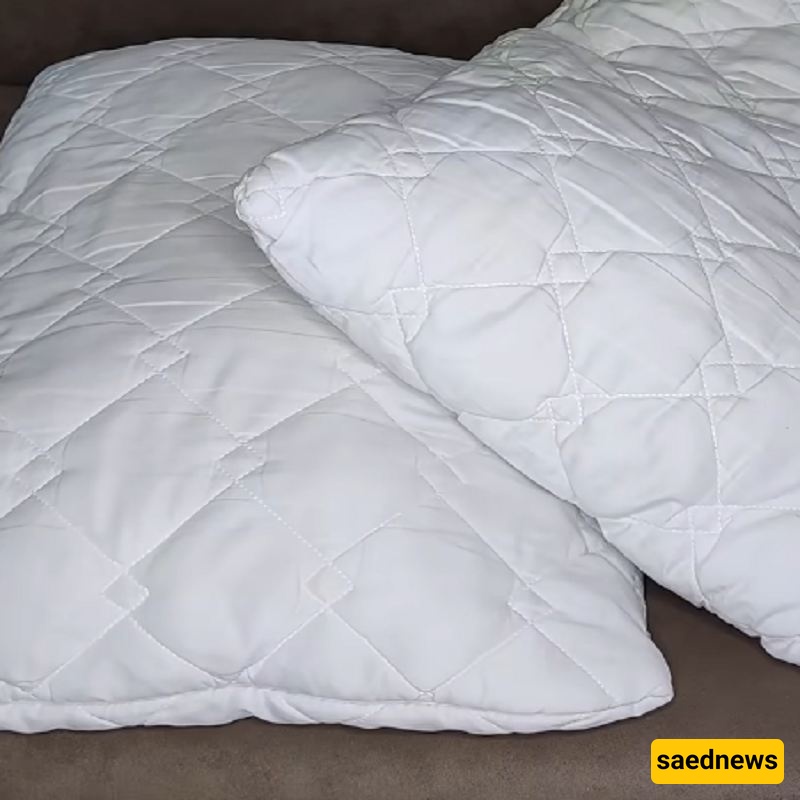
In general, pillows filled with synthetic fibers, polyester, or hollow fiber can usually be machine washed. Some feather pillows can also be washed, provided that the manufacturer’s specific instructions are followed.
Memory foam pillows, however, should not be placed in a washing machine. In most cases, only the removable cover can be washed, as direct exposure to water can damage the foam’s structure.
If the manufacturer has not specified a temperature, 30–40°C is generally suitable for many synthetic-fiber pillows. Higher temperatures should only be used when the care label specifically allows them.
A Synthetic or similar program designed for synthetic fabrics is often a suitable choice. Set the spin speed to around 600–800 rpm and use an extra-rinse cycle if available. This helps remove detergent thoroughly from the pillow filling.
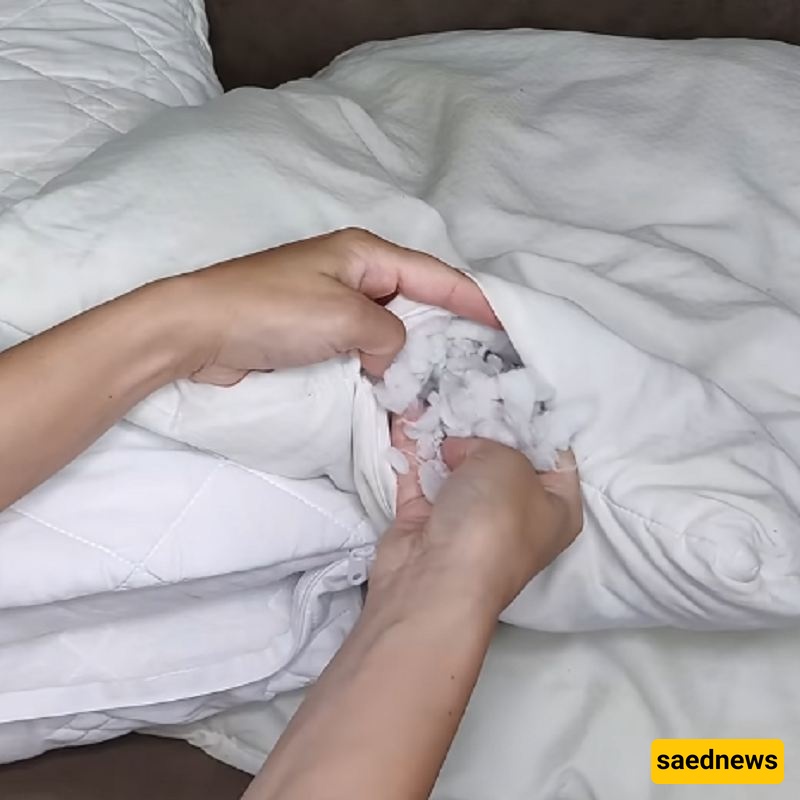
Inspect the pillow carefully before putting it in the washing machine. If the fabric or seams are torn, repair them first. Loose filling can escape during washing and potentially clog the washing machine’s filter or drainage system.
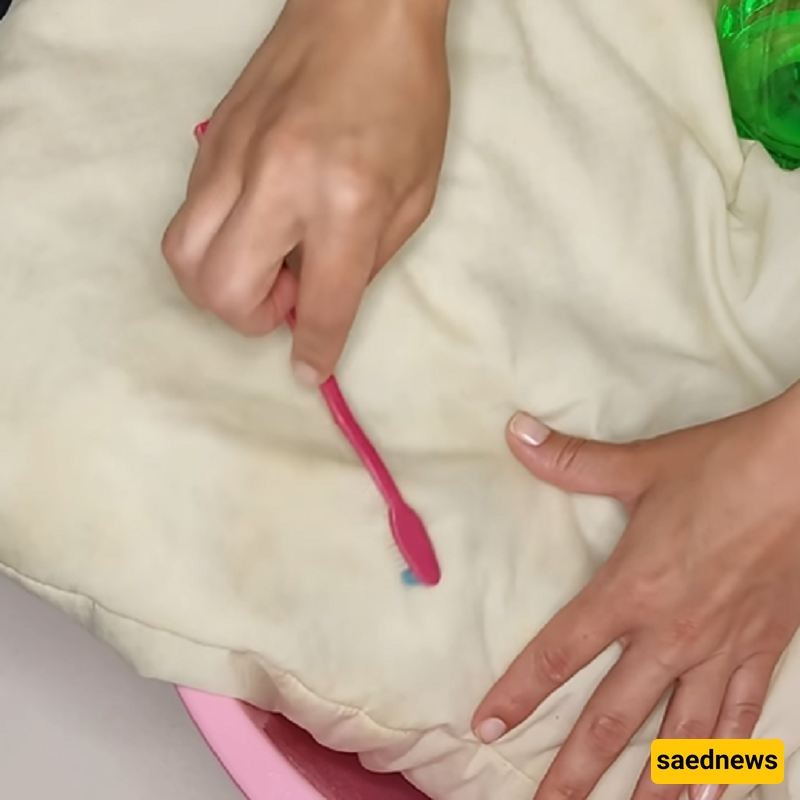
For surface stains, you can apply a suitable stain remover before washing. A 3% hydrogen peroxide solution may work on certain stains, but always test it on a small, hidden area first to make sure it does not discolor the fabric.
Liquid laundry detergent is generally a better choice than powder for washing pillows because it dissolves more easily in water and is easier to rinse out of the filling.
Avoid using excessive detergent. Since pillows absorb a considerable amount of water, too much detergent can remain trapped inside the fibers. A moderate amount of detergent combined with an extra-rinse cycle usually produces better results.
If the pillows are small enough, washing two pillows at the same time can help keep the drum balanced.
For a single large pillow, dryer balls can be useful during both washing and drying. Tennis balls can also be used, preferably placed inside clean white socks.
These balls help separate the filling and restore its loft, particularly during the drying process.
Drying is just as important as washing. The most important rule is to make sure no moisture remains inside the pillow. Trapped moisture can cause unpleasant odors and, under unsuitable conditions, encourage mold growth.
If the care label says the pillow can be tumble dried, use a low-temperature setting and add dryer balls to help maintain its shape.
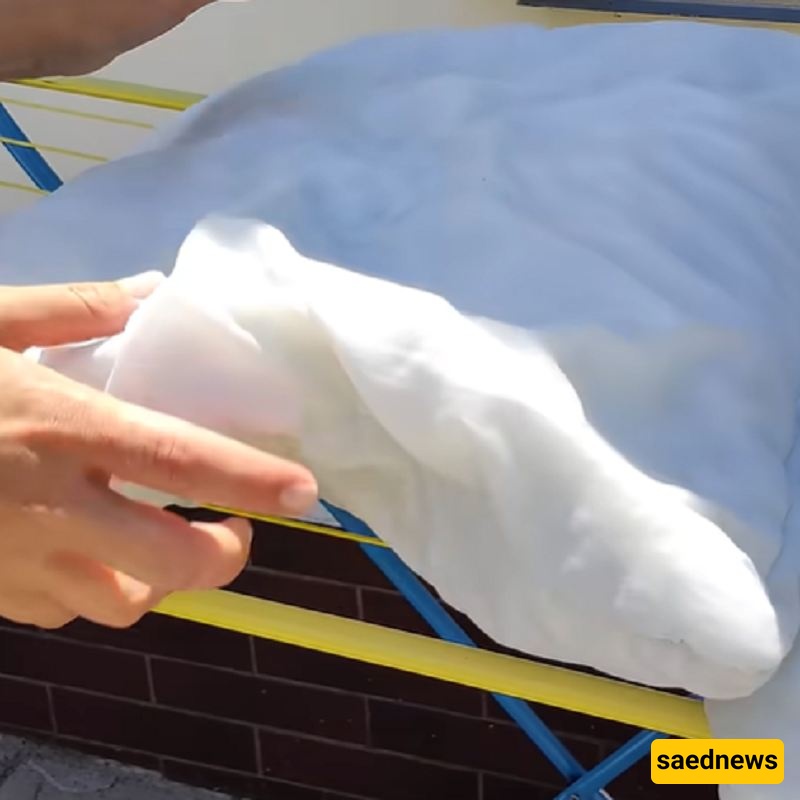
If you do not have a dryer, place the pillow in a dry, well-ventilated area. Every two or three hours, turn it over, shake it thoroughly, and gently fluff it by hand so the filling dries evenly.
Unless the manufacturer recommends otherwise, avoid exposing the pillow to intense, direct sunlight for extended periods.
For good hygiene, pillowcases should ideally be changed about once a week. A protective pillow cover can be washed approximately once a month.
Synthetic-fiber pillows generally need washing every 3–6 months, provided this is consistent with the manufacturer’s care instructions.
Using a protective cover can also extend the pillow’s lifespan by reducing the amount of sweat, oil, dust, and other contaminants that reach the inner filling.

Washing a pillow in a washing machine is relatively simple when the material is machine washable. The key is to use the appropriate temperature, detergent, spin speed, and drying method.
Synthetic-fiber pillows are generally suitable for machine washing, while memory foam pillows should not be immersed in water or placed in a washing machine.
Above all, follow the product’s care label and the manufacturer’s instructions. Regular washing and thorough drying can help keep your pillows fresh, clean, comfortable, and in good condition for longer.