SAEDNEWS: Pomegranate is a juicy autumn fruit rich in antioxidants. Learn about its nutrition, calories, and potential benefits for heart health, joints, blood pressure, and cancer prevention.

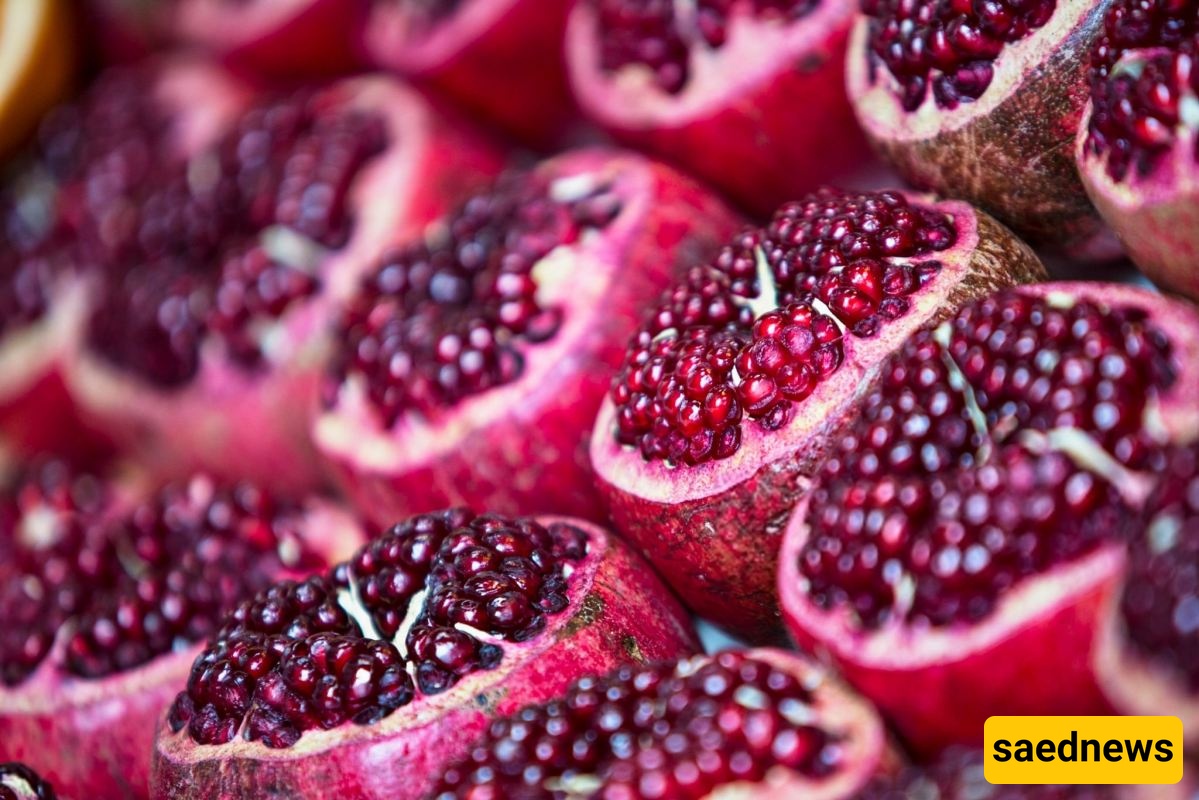
According to Saednews, Pomegranate is a fruit roughly similar in size to an orange, with a smooth, thick outer skin. Its peel comes in a range of warm colors, from yellowish-brown to deep red. Inside are numerous small, juicy red seeds separated by thin white membranes. Each seed also contains a small, edible white kernel.
Pomegranate seeds can be eaten fresh or used to make juice. They have a sweet, refreshing flavor and are also used to produce pomegranate seed oil, which contains compounds that may offer health benefits.
According to the information provided, 100 grams of pomegranate contains approximately 38 calories.
Nutrient | Amount per 100 g |
|---|---|
Calories | 38 kcal |
Water | 82 g |
Protein | 4 g |
Fat | 3 g |
Carbohydrates | 10 g |
Calcium | 4 g |
Sodium | 3 mg |
Potassium | 260 mg |
Iron | 0.5 mg |
Vitamin B1 | 0.2 mg |
Vitamin B2 | 0.03 mg |
Vitamin B3 | 0.02 mg |
Vitamin C | 4 mg |
Joint inflammation occurs when one or more joints become swollen, often causing pain, stiffness, and discomfort. It is particularly common among older adults.
Pomegranates contain antioxidants such as flavonols, which have anti-inflammatory properties. For this reason, pomegranate may have potential benefits for people dealing with inflammatory joint conditions.
Animal studies have suggested that pomegranate extract may help prevent or reduce inflammation associated with collagen, a protein found in bones and cartilage. These findings indicate that compounds in pomegranate could potentially help reduce joint inflammation and related discomfort.
A number of scientific studies have investigated the potential anticancer effects of pomegranate. Research has found that compounds in the fruit may affect the growth and survival of certain cancer cells.
Some studies suggest that pomegranate extract may slow the multiplication of breast cancer cells and may contribute to their destruction. Pomegranate seed oil contains punicic acid, a long-chain polyunsaturated omega-5 fatty acid that has been studied for its possible effects on breast cancer cells.
Research has also examined pomegranate juice in relation to prostate cancer. Some findings suggest that regular consumption may slow the growth of prostate cancer cells.
Studies involving men with prostate cancer have also investigated changes in prostate-specific antigen (PSA) levels. Researchers have reported that pomegranate extracts may slow the rate at which PSA levels increase.
Although these findings are promising, more human research is needed to determine how effective pomegranate is as part of cancer prevention or treatment.

Pomegranate juice contains antioxidants and bioactive polyphenols that may support cardiovascular health. These compounds may influence several processes involved in blood pressure regulation.
Research has suggested that including pomegranate juice in a healthy diet may help people manage high blood pressure. Some studies have also reported reductions in blood pressure among people with cardiovascular conditions after consuming pomegranate juice regularly.
However, pomegranate should not replace prescribed blood-pressure medication or medical treatment.
Pomegranates contain a wide variety of bioactive compounds, including ellagic acid, ellagitannins, punicic acid, flavonoids, anthocyanins, anthocyanidins, flavonols, and other plant compounds.
Because of these substances, pomegranate has traditionally been used in various cultures as a natural remedy for conditions including digestive problems and infections.
Research has also suggested that pomegranate compounds may support beneficial probiotic bacteria. This interaction could potentially contribute to a healthier balance of microorganisms in the digestive system and support the body's natural defenses against harmful bacteria.
Cardiovascular disease is one of the major causes of illness and death worldwide. Pomegranate and its juice are rich in antioxidant compounds that may help protect cardiovascular health.
Some research suggests that pomegranate juice may help reduce processes involved in cholesterol buildup and oxidation in the arteries.
In one study involving people with cardiovascular disease, participants who consumed pomegranate juice experienced reductions in blood pressure and in measures associated with atherosclerotic plaque.
Atherosclerosis occurs when fatty deposits, cholesterol, and other substances accumulate inside the arteries, potentially restricting blood flow.
Research has therefore suggested that pomegranate may have beneficial effects on blood pressure, arterial plaque, and the oxidation of LDL cholesterol. Further research is still needed to establish the long-term cardiovascular benefits of regular pomegranate consumption.

Pomegranates and pomegranate juice contain significant amounts of polyphenols, plant compounds that have attracted attention for their potential effects on brain health and cognitive function.
Research has suggested that polyphenols may support memory and other aspects of cognitive performance. Some studies have also examined whether these compounds could help protect against temporary cognitive problems that may occur after certain types of heart surgery.
The antioxidant and polyphenol content of pomegranate makes it an interesting food for researchers studying memory and brain health. Nevertheless, additional human studies are necessary before firm conclusions can be made.
Pomegranate is a nutrient-rich fruit containing antioxidants, polyphenols, vitamins, minerals, and other bioactive compounds. Research has explored its potential role in reducing inflammation, supporting cardiovascular health, maintaining healthy blood pressure, protecting against oxidative stress, and supporting cognitive function.
Pomegranate seeds can be enjoyed as part of a balanced diet, while pomegranate juice can provide many of the fruit's beneficial plant compounds. As with any food, however, its benefits should be considered as part of an overall healthy lifestyle rather than as a substitute for medical treatment.