SAEDNEWS: Can you believe that cannibal tribes may still exist today? Imagine a community living so deep within the remote rainforests that many of its traditions have remained unchanged for generations. Some people still wonder how such isolated groups have survived while the rest of the world has rapidly advanced.
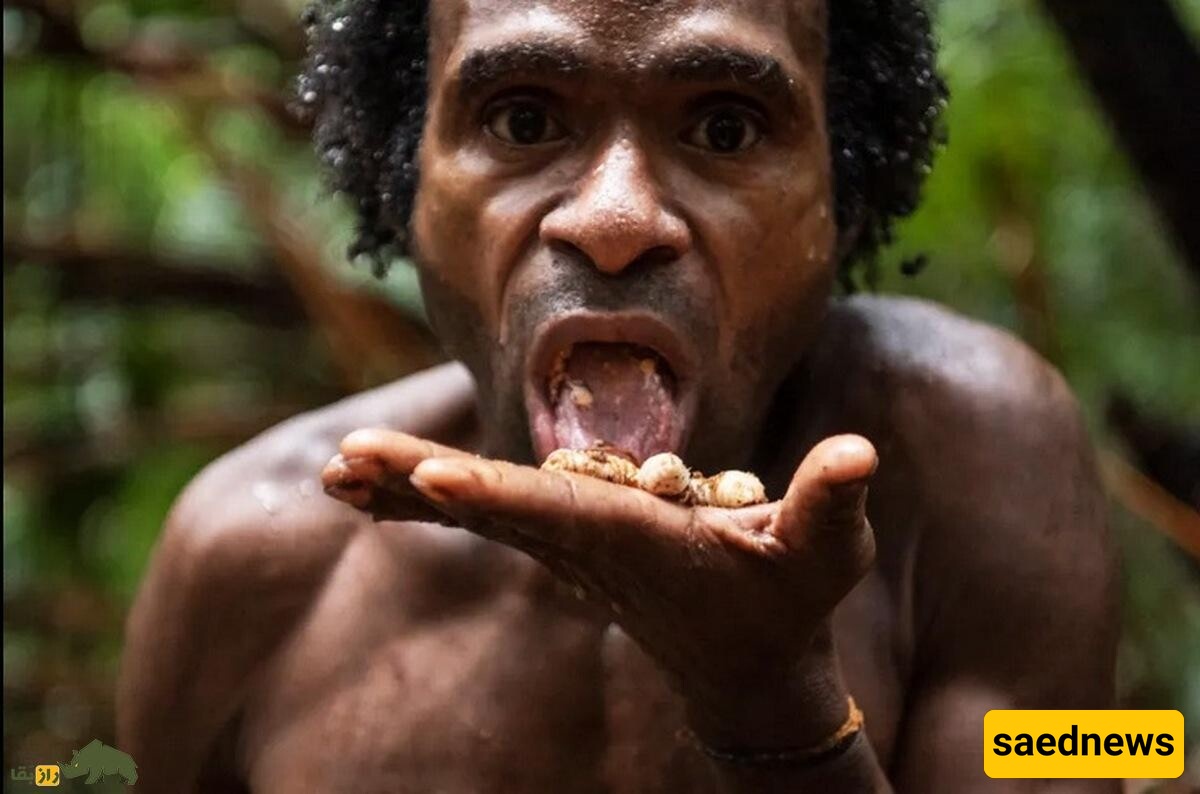
According to Saednews, The Korowai (also spelled Koroway or locally known as Kolfo) are an Indigenous tribe of approximately 3,000 people living in the remote rainforests of southeastern Papua, Indonesia. For centuries, they inhabited one of the world's most isolated regions, with little or no contact with the outside world. Until the early 1970s, many Korowai people were reportedly unaware that towns and other human settlements existed beyond their forest homeland.
Living in an environment largely untouched by modern civilization, the Korowai have developed exceptional hunting and fishing skills. They continue to rely on traditional tools such as bows and arrows, even though neighboring communities adopted modern technologies decades ago.
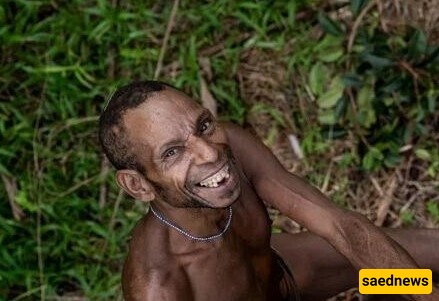
The Korowai first came into sustained contact with outsiders in the early 1970s. A Dutch missionary and researcher, Johannes Veldhuizen, visited the remote forests to meet isolated Indigenous groups. His expedition introduced the Korowai to the wider world and marked the beginning of limited interaction with modern society.
In 2006, journalists from the television program 60 Minutes traveled to the region and claimed to have witnessed evidence suggesting that ritual cannibalism still existed among some Korowai communities. However, these claims remain the subject of debate among anthropologists, and many researchers argue that reports of widespread cannibalism have often been exaggerated or misunderstood.
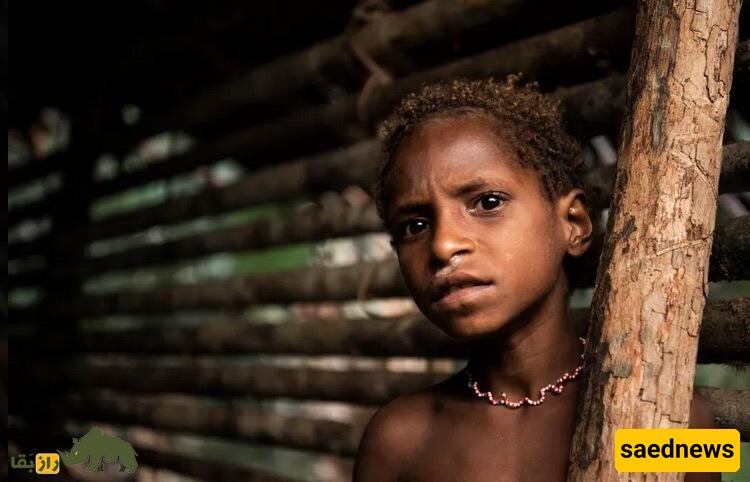
One of the Korowai's most remarkable traditions is building homes high above the forest floor. Their treehouses are traditionally constructed 30 to 35 meters (100–115 feet) above ground, although many modern examples are built at heights of 8 to 12 meters.
These elevated homes help protect families from:
Seasonal flooding
Dangerous insects
Wild animals
Attacks from rival groups
The houses are built entirely from wood and natural materials and are sturdy enough to support large extended families. Tree trunks carved into ladders provide access to the homes.
Traditional Korowai beliefs attribute certain illnesses to supernatural causes. Individuals suffering from severe or unexplained diseases may be labeled "khakhua", a term referring to someone believed to be possessed by an evil spirit or practicing harmful magic.
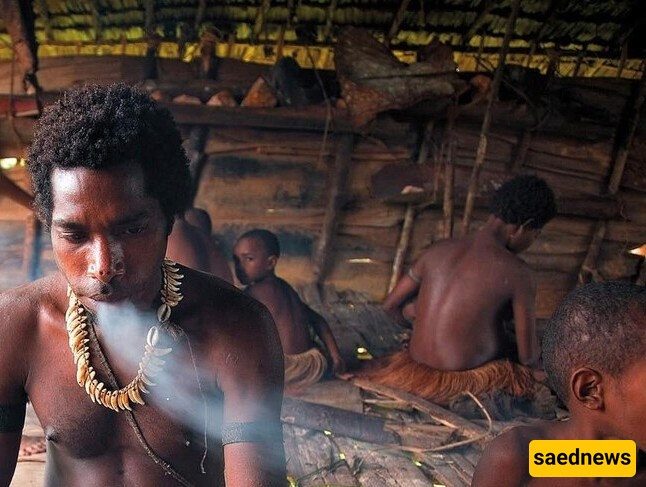
According to traditional customs described in historical accounts, people identified as khakhua could be executed as a way of protecting the community. Some reports claim that ritual cannibalism was associated with these executions, although scholars disagree about how widespread or common these practices actually were.
Many illnesses were likely caused by malnutrition, anemia, or infectious diseases, conditions that could dramatically alter a person's appearance and reinforce traditional spiritual explanations.
The Korowai continue to preserve many aspects of their traditional lifestyle.
Their homes are constructed without cement or metal because they believe natural materials maintain the purity of the forest and rivers.
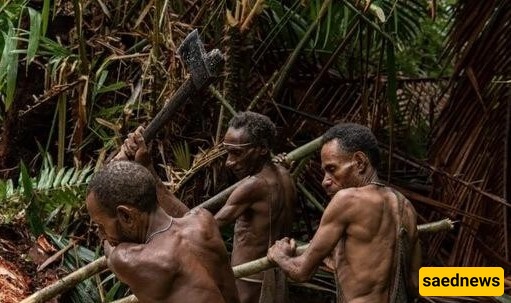
Pigs serve as the primary measure of wealth. Rather than using money, pigs are exchanged in trade and play an important role in marriage arrangements, with a groom traditionally giving pigs to the bride's family.
Fishing, hunting, and gathering remain the foundations of daily life.
Journalist Paul Raffaele traveled deep into Papua's rainforest to document the Korowai. After days of trekking through dense jungle and crossing rivers by canoe with local guides, his team finally reached Korowai territory.
According to his account, armed tribesmen initially surrounded the visitors with bows and arrows, believing the strangers could be hostile spirits. Only after lengthy negotiations by local guides were the journalists allowed to remain.
Raffaele later described witnessing the execution of a man accused of being khakhua. He wrote that the experience was deeply disturbing and spent two nights in the village before safely leaving the area.
His report became one of the most widely known modern accounts of the Korowai.
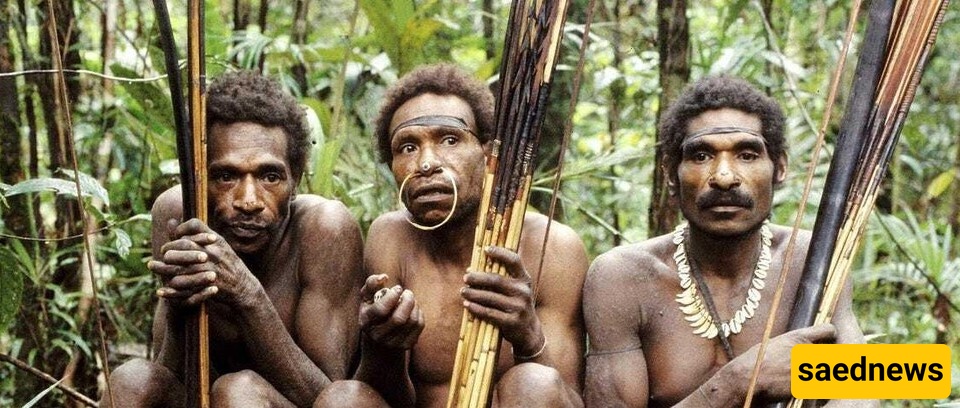
One of the most enduring mysteries connected with Papua involves Michael Rockefeller, the son of former New York Governor Nelson Rockefeller.
In 1961, Michael disappeared while collecting Indigenous art and studying local cultures in southwestern New Guinea. Despite extensive searches, his body was never recovered.
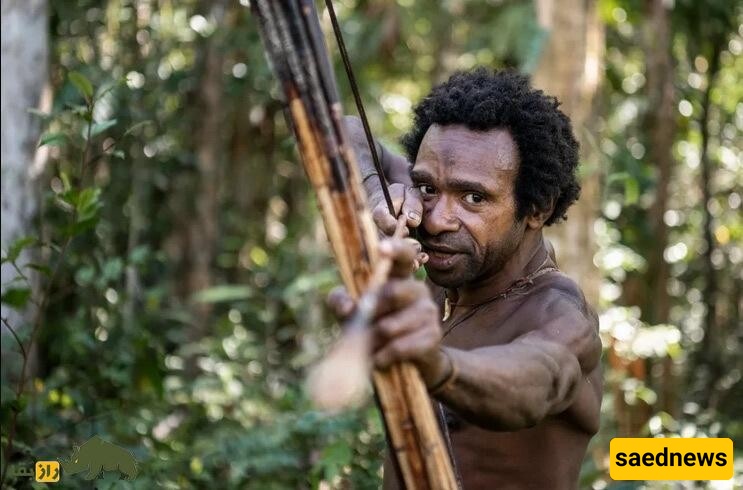
Over the years, speculation has suggested he may have been killed by Indigenous people, including claims involving cannibalism. However, no definitive evidence has ever confirmed what happened, and his disappearance remains unsolved.
Today, anthropologists caution against portraying the Korowai solely through stories of cannibalism. While historical reports describe ritual practices connected to spiritual beliefs, many researchers argue that sensational media coverage has often overshadowed the tribe's rich culture, sophisticated knowledge of rainforest survival, and unique architectural traditions.
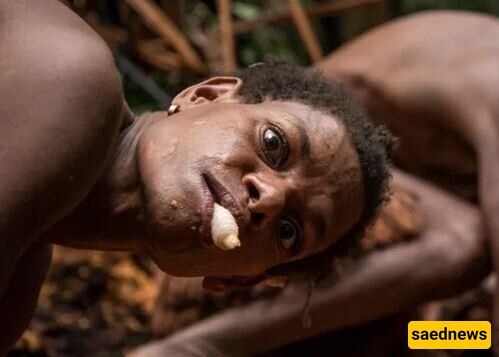
The Korowai remain one of the world's most fascinating Indigenous peoples, known not only for their remarkable treehouses and traditional way of life but also for preserving cultural practices that have survived in one of Earth's most remote rainforest environments.