SAEDNEWS: Bizarre Funeral Rituals and Unusual Ways of Saying Goodbye to the Dead Around the World
According to Saednews, Death is a universal part of human life, but the ways people honor the deceased vary greatly across cultures. Throughout history, civilizations have developed unique funeral customs shaped by their beliefs, environments, and traditions. While some ancient practices have disappeared, others continue today in either their original or modernized forms.
Below are some of the world's most remarkable funeral traditions.
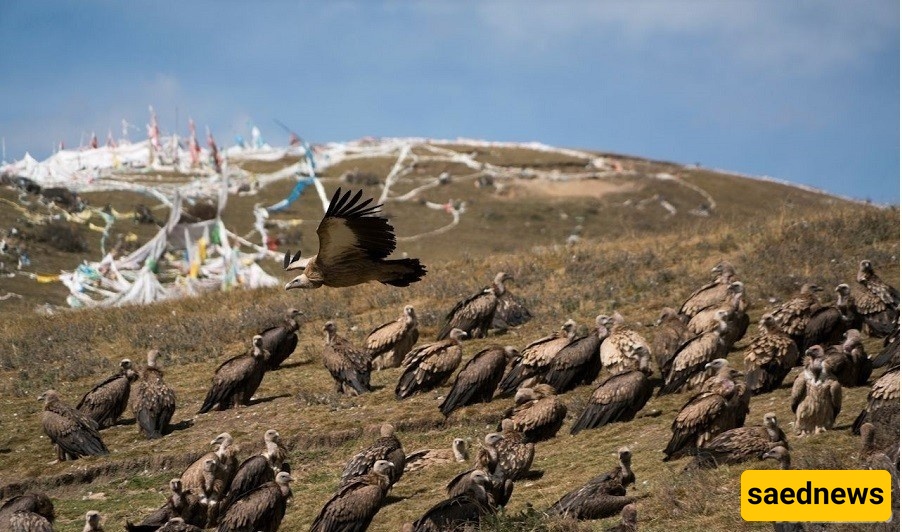
In the Tibetan tradition of sky burial, the bodies of the deceased are placed on mountaintops where vultures and other birds consume them. Although this practice may seem unusual to outsiders, Tibetan Buddhists see it as a profound symbol of the impermanence of life.
They believe that once a person dies, the soul has already moved on toward rebirth, leaving the body as an empty vessel. A body that is completely consumed by birds is considered a positive sign, while an incomplete consumption may be interpreted as reflecting negative karma.
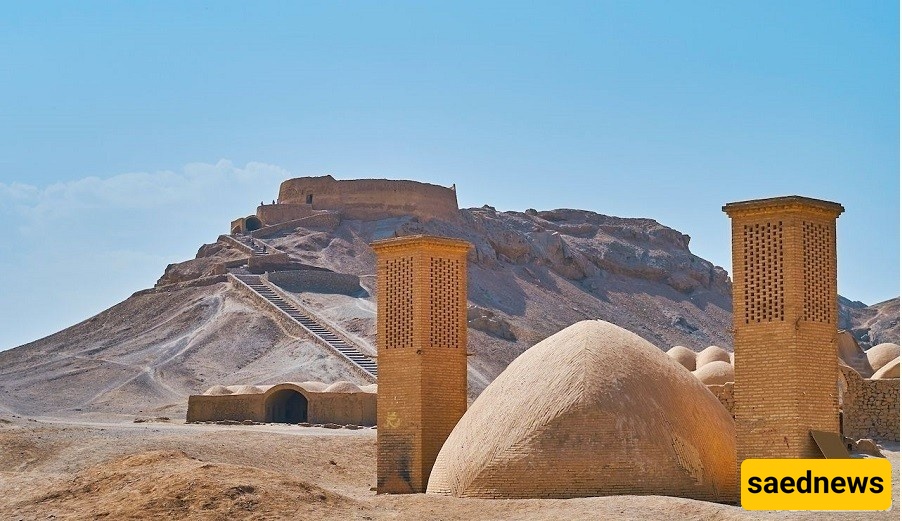
The ancient Zoroastrian tradition shares similarities with Tibetan sky burial. Instead of burying or cremating the dead, followers placed bodies atop circular stone structures known as Towers of Silence (Dakhmas).
Zoroastrians believe that death contaminates the natural elements, making burial or cremation spiritually inappropriate. Exposing the bodies to birds prevented the earth and fire from becoming polluted.
Although the use of these towers was prohibited in Iran in 1970, they can still be seen near Yazd, and the practice has continued among some Zoroastrian communities in Mumbai, India.
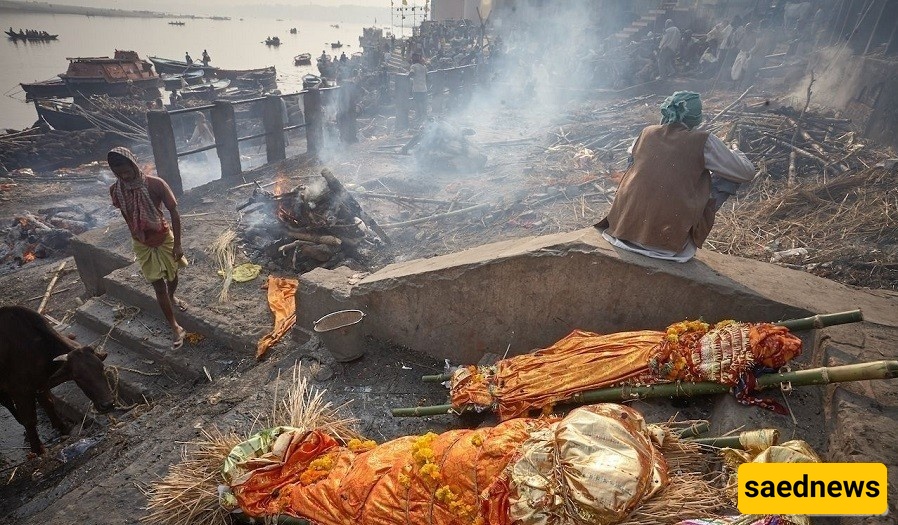
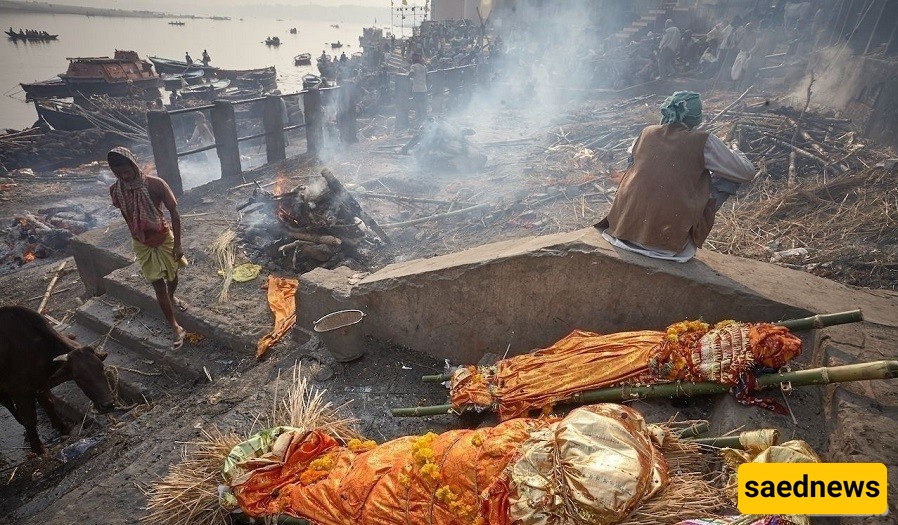
The sacred city of Varanasi, situated on the banks of the Ganges River, is one of Hinduism's holiest destinations. Many Hindus believe that being cremated here frees the soul from the endless cycle of birth, death, and rebirth.
At the famous cremation ghats of Manikarnika and Harishchandra, ceremonies take place around the clock. Before cremation, family members bathe the body in the Ganges, wrap it in colorful cloth, and place it on a wooden funeral pyre made from sandalwood or mango wood. After the cremation, the ashes are scattered into the sacred river.
With one of the world's highest population densities, burial space in Hong Kong is extremely limited and expensive. As a result, cremation has become the preferred choice for most families.
To address the shortage of columbarium space, authorities introduced environmentally friendly memorial practices, encouraging families to scatter ashes either in designated memorial gardens or at approved locations at sea. Families travel by boat to these sites, where they release the ashes into the ocean in a peaceful ceremony.
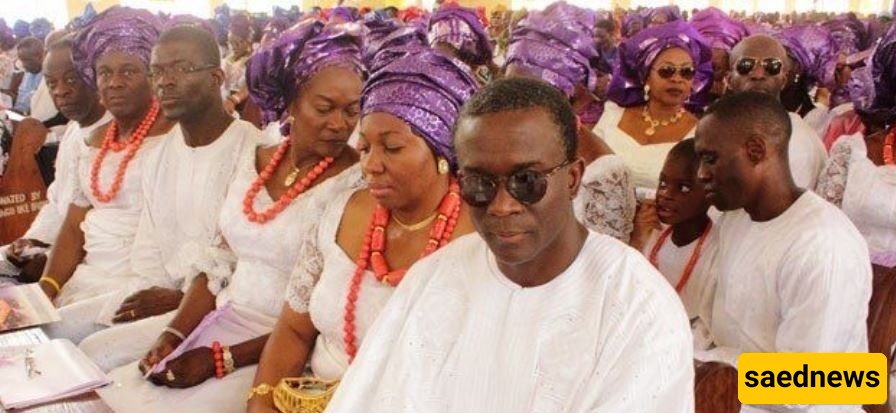
Among the Igbo people of southeastern Nigeria, death is viewed as the beginning of another stage of existence rather than the end of life.
A second funeral ceremony, known as Ikwa Ozu, is held days, weeks, or even months after burial. Families organize elaborate celebrations, offering food, drinks, livestock, and other gifts to honor the deceased. In one ritual, a designated person quietly eats the favorite foods of the deceased, symbolically providing nourishment in the next world.
These ceremonies are often expensive, and families may spend months preparing for them.

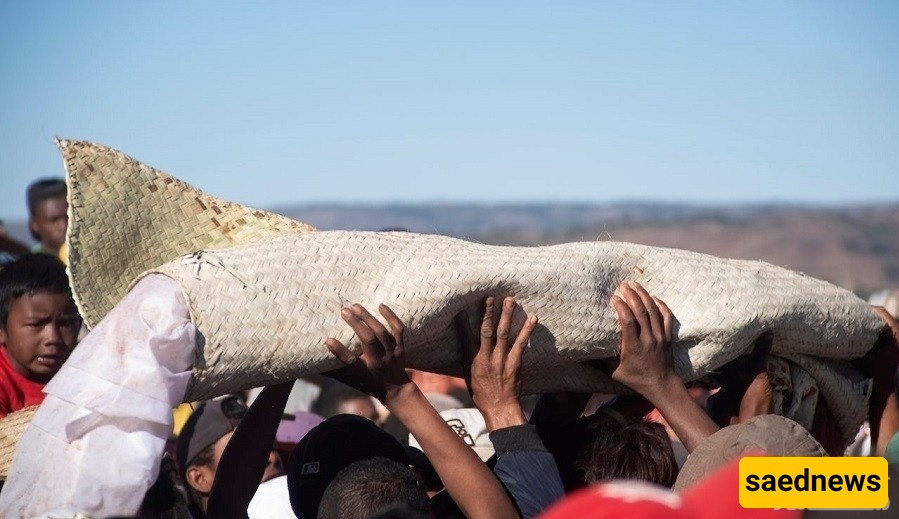
Madagascar is famous for Famadihana, or the "Turning of the Bones" ceremony.
Every five to seven years, families remove the remains of their ancestors from family tombs, wrap them in fresh burial cloths, and celebrate by dancing, singing, eating, and spending time together. Before sunset, the remains are respectfully returned to the tomb.
The tradition reflects the belief that the dead remain connected to the living until their bodies have fully decomposed, after which they can complete their journey to the ancestral world.
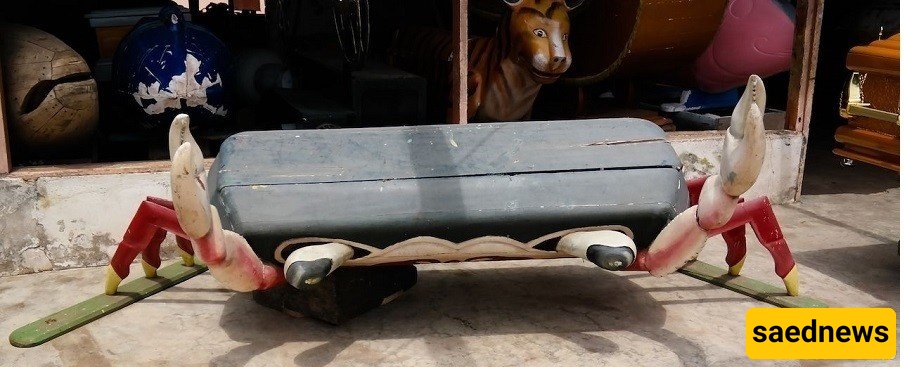
In parts of Ghana, funerals celebrate the life, achievements, and identity of the deceased. Families commission elaborate fantasy coffins designed to represent the person's profession, passions, or dreams.
These handcrafted coffins may resemble animals, airplanes, fish, shoes, fruits, bottles, or other meaningful objects. The tradition has gained worldwide recognition and has attracted visitors from across the globe.
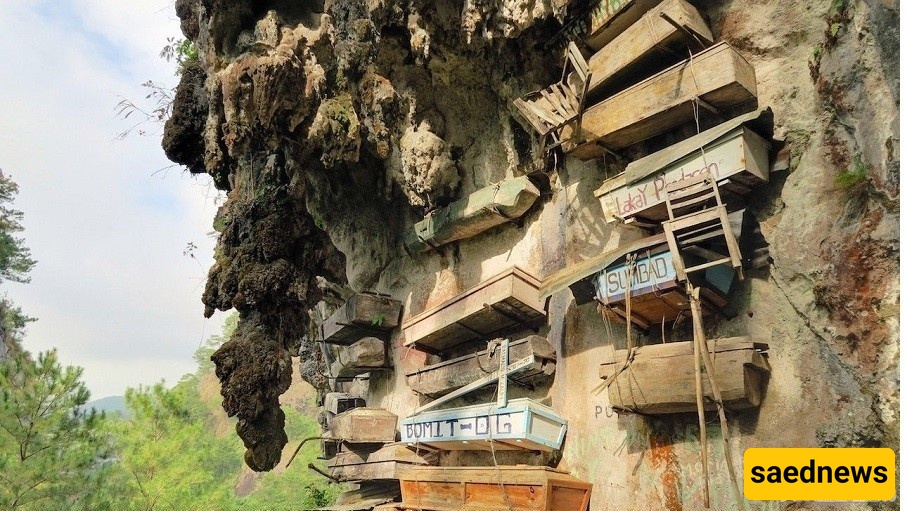
The Igorot people of northern Luzon have practiced hanging coffins from cliffs for nearly 2,000 years.
Many individuals prepare their own coffins during their lifetime. Before burial, the deceased is placed in a seated position, wrapped securely, and the body is carefully preserved. The coffin is then suspended high on a cliff, symbolizing a closer connection between the deceased and their ancestors.
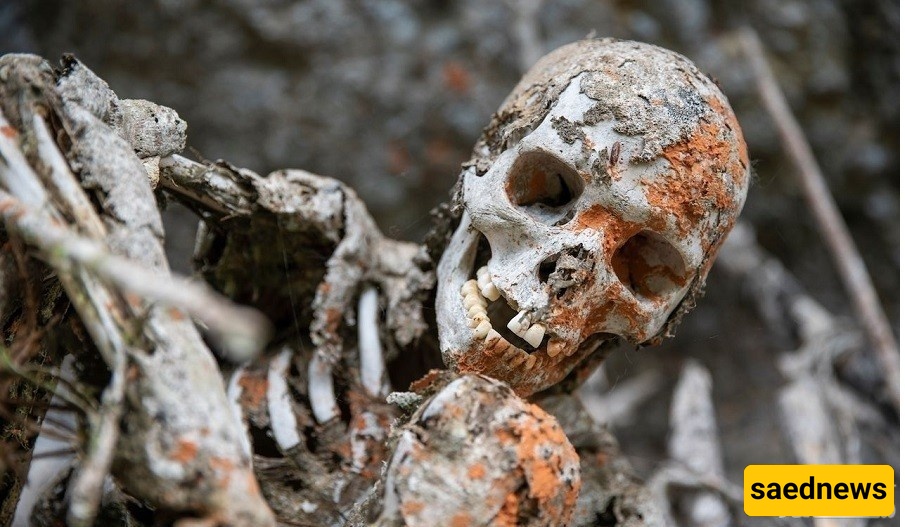
Among the Anga people of Papua New Guinea, some communities continue an ancient form of mummification.
Instead of embalming the body, the deceased is slowly preserved by exposure to smoke over several months. Bodily fluids are removed, and the body gradually dries until fully preserved. The mummified ancestor is then placed on a cliff overlooking the village, where it is believed to watch over and protect future generations.
Across the world, funeral customs reflect each culture's understanding of life, death, and the afterlife. Whether through sky burials, elaborate cremation ceremonies, ancestor celebrations, hanging coffins, or symbolic fantasy coffins, these traditions reveal humanity's enduring desire to honor loved ones and maintain a connection with those who have passed away.