SAEDNEWS: Estrogen is a type of steroid compound that is considered a female sex hormone. A deficiency of this hormone can lead to various problems, including a reduced desire for sexual intimacy. On the other hand, excessively high levels of estrogen may increase the risk of developing breast cancer.
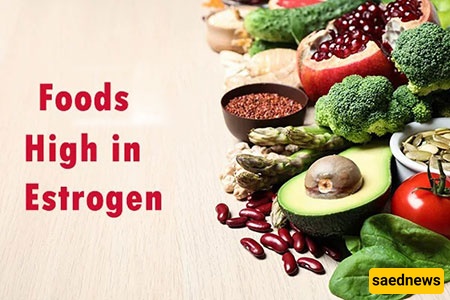
According to Saednews, Estrogen is a hormone found in both men and women. Although women naturally have balanced levels of estrogen in their bodies, many people seek ways to support healthy estrogen levels through diet.
Phytoestrogens are naturally occurring plant compounds that can act similarly to estrogen in the human body. They are found in many foods, especially certain fruits, vegetables, legumes, grains, seeds, and herbs.
The three major types of estrogen produced in the female body are estriol, estradiol, and estrone. Estradiol is the primary and most active form of estrogen produced by the ovaries.
During the menstrual cycle, estrogen helps prepare the female reproductive system for fertilization, implantation of an embryo, and early fetal nourishment.
Estrogen plays an important role in:
Development of the female reproductive system
Formation of female physical characteristics
Supporting bone formation and maintaining bone strength
Regulating fat distribution in a typically female pattern, including the breasts, hips, and thighs
Maintaining soft, smooth, and healthy skin
After menopause, estrogen production decreases significantly, which can reduce bone-building activity and increase the risk of bone loss.
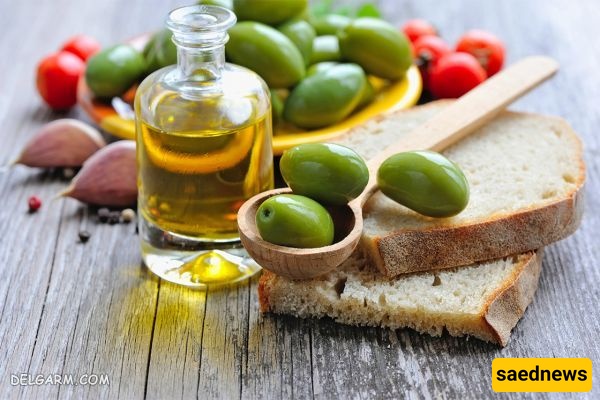
Some fruits that contain natural estrogen-like compounds include:
Apples
Dates
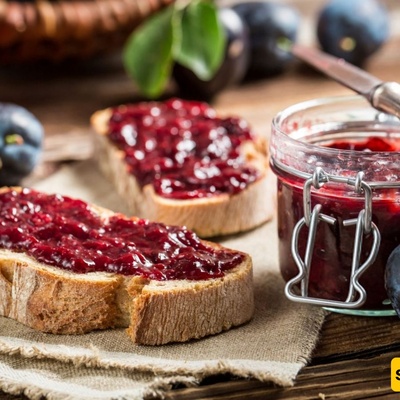
Plums
Cherries
Strawberries
Apricots
Peaches
Pears
Kiwi
Raisins
Watermelon
Cranberries
Grapes
Melons
Oranges
Although fruits generally contain lower amounts of phytoestrogens compared with other food groups, some varieties provide beneficial plant compounds.
Vegetables that contain estrogen-like plant compounds include:
Beets
Carrots
Tomatoes
Potatoes
Olives
Cucumbers
Eggplants
Peppers
Broccoli
Cauliflower
Kale
Spinach
Onions
Leeks
Broccoli, cauliflower, and kale are considered some of the vegetables with higher levels of phytoestrogen compounds.
Seeds and Nuts as Natural Estrogen Sources
Flaxseed is one of the richest dietary sources of phytoestrogens. The main phytoestrogen in flaxseed is lignan, a compound that has estrogen-like activity and also works as an antioxidant.
Regular consumption of flaxseed may support:
Heart health
Digestive health
Cholesterol balance
Blood sugar regulation
Skin health
Immune function
Flaxseed may also help reduce symptoms associated with hormonal changes, including hot flashes during menopause.
Sesame seeds contain high amounts of lignans, a type of phytoestrogen. Regular sesame consumption may support hormone balance and provide beneficial nutrients such as healthy fats, minerals, and antioxidants.
Sunflower seeds contain plant compounds with estrogen-like activity and provide vitamin E, minerals, and antioxidants.
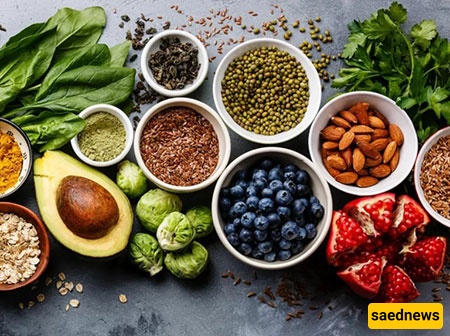
Examples include:
Almonds
Walnuts
Pistachios
Peanuts
Walnuts contain plant-based estrogen compounds and are also rich in omega fatty acids and B vitamins, which may help support overall health.
Soy Foods: One of the Richest Sources of Plant Estrogen
Soy is one of the most well-known sources of phytoestrogens. Soy contains isoflavones, including:
Genistein
Daidzein
Soy-based foods include:
Soybeans
Soy milk
Tofu
Soy yogurt
Soy cheese
Soy flour
Soy noodles
Soy is also an excellent source of protein and calcium, making it a useful food choice, especially for people who consume less animal protein.
Legumes are important sources of isoflavones and other plant compounds.
Examples include:
Beans
Lentils
Chickpeas
Kidney beans
Pinto beans
Split peas
Mung beans
Mung bean sprouts are rich in phytoestrogens and contain fiber and resistant starch, which support digestive health.
Whole grains provide fiber, vitamins, minerals, antioxidants, protein, and phytoestrogens.
Examples include:
Oats
Barley
Wheat
Brown rice
Millet
Several herbs and spices contain phytoestrogens and other beneficial plant chemicals.
Examples include:
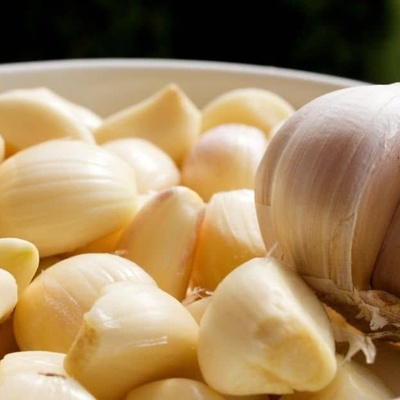
Garlic
Parsley
Ginger
Thyme
Oregano
Mint
Rosemary
Fennel
Black cumin
Turmeric
Important plant compounds found in herbs and spices include:
Isoflavones
Gingerols
Monoterpenes
Sprouts Rich in Phytoestrogens
Alfalfa sprouts contain isoflavones and other phytoestrogens that can mimic the activity of human estrogen.
They are low in calories but provide important vitamins and minerals.
Clover sprouts contain coumestans, a group of phytoestrogens structurally similar to estrogen.
Adding sprouts to salads and sandwiches can increase intake of beneficial plant compounds.
Animal Foods Containing Estrogen
Some animal-derived foods naturally contain estrogen hormones, including:
Meat
Dairy products
Eggs
The amount of estrogen can vary depending on the animal source and production methods.
Main Types of Phytoestrogens
Phytoestrogens are divided into three major groups:
Isoflavones are plant compounds structurally similar to estrogen.
Major sources include:
Soybeans
Soy products
Legumes
Lignans are found mainly in seeds, fruits, and vegetables.
Rich sources include:
Flaxseed
Sesame seeds
Sunflower seeds
Peanuts
Kale
Cauliflower
Cabbage
Garlic
Beans
Carrots
Spinach
Coumestans are another group of phytoestrogens.
Main sources include:
Alfalfa sprouts
Clover
Split peas
Flaxseed
Benefits of Flaxseed
Flax is widely grown in Europe and Asia and has many uses. Its fibers are used to produce linen fabrics, while its seeds provide valuable nutritional benefits.
Flaxseed oil is obtained by pressing flax seeds without heat.
Adding flaxseed to the daily diet may support:
Cardiovascular health
Digestive function
Weight management
Cholesterol control
Blood sugar stability
Bone health
Immune system function
Cancer prevention support
Foods That May Help Reduce Estrogen Activity
In some situations, people may need to manage excessive estrogen activity. Certain plant foods contain compounds that may influence estrogen metabolism.
These foods include:
Citrus fruits
Berries
Grapes
Figs
Lemons
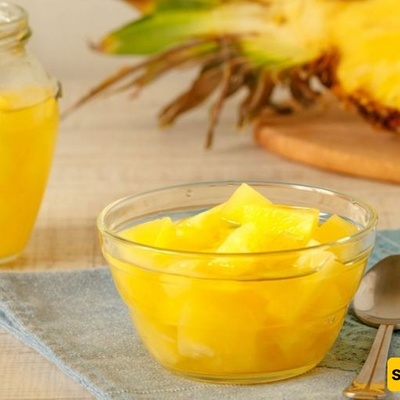
Pineapple
Cabbage
Green beans
Onions
Squash
Millet
White rice
White flour products
Summary
A balanced diet containing soy products, flaxseed, sesame seeds, legumes, whole grains, fruits, vegetables, nuts, herbs, and sprouts can provide natural phytoestrogens. These plant compounds may support hormonal balance, bone health, cardiovascular function, and overall wellness.
However, the effects of phytoestrogens can vary depending on individual health conditions, hormone levels, and dietary patterns. A balanced approach and professional medical guidance are recommended when managing hormone-related concerns.