SAEDNEWS: Scratching insect bites intensifies itching and increases the risk of infection and scars. Read about scientific and safe approaches to relieve this discomfort.

According to Saednews, To understand why scratching insect bites is discouraged, it is important to first understand what happens in the body after an insect bite. When an insect such as a mosquito bites you, it uses its proboscis to penetrate the skin and inject saliva containing anticoagulants and numbing substances. These substances help the insect feed by preventing blood from clotting.
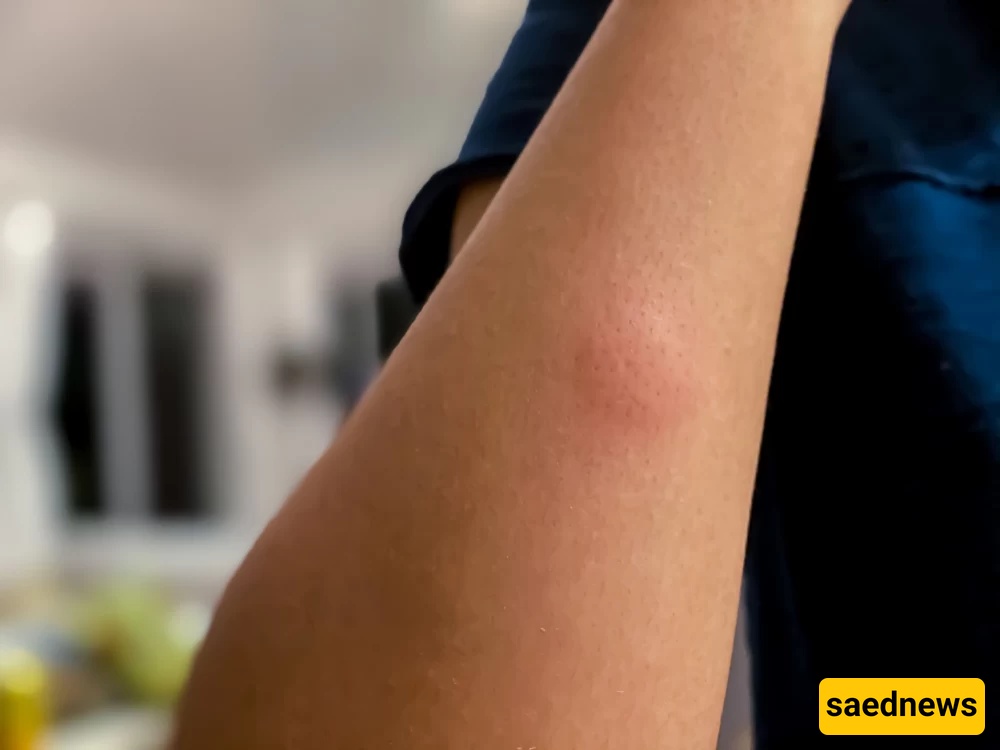
The immune system recognizes these foreign substances as potential threats and triggers an allergic response. During this process, immune cells release histamine, which causes blood vessels to widen and become more permeable. This reaction leads to redness, swelling, and most importantly, intense itching. Histamine directly stimulates sensory nerves in the skin, sending itching signals to the brain.
The skin is the body’s first line of defense against microorganisms. Intense scratching can create microscopic tears or even visible wounds on the skin. These injuries weaken the protective barrier and make it easier for bacteria and other harmful organisms to enter.
One of the most serious consequences of scratching is a secondary bacterial infection. Bacteria such as Staphylococcus aureus and Streptococcus pyogenes can easily enter through scratches and broken skin. These infections may lead to conditions such as impetigo, cellulitis, and, in severe cases, abscesses.

Signs of infection include increased redness, warmth around the affected area, pus discharge, swelling, and fever.
Although scratching may provide temporary relief, it often makes itching worse over time. This phenomenon is known as the “itch-scratch cycle.” Scratching can trigger the release of more inflammatory chemicals, including histamine, which causes stronger itching sensations.
In simple terms: the more you scratch, the more you may feel the need to scratch.
Repeated and aggressive scratching can damage deeper layers of the skin, potentially causing scars. It may also lead to post-inflammatory hyperpigmentation, where dark spots remain on the skin after the bite heals.
These pigmentation changes can sometimes take several months to fade.
In some people, scratching can worsen an allergic response. This is especially relevant with bites and stings from insects such as bees and certain other species. In rare cases, excessive scratching may contribute to the spread of irritants or venom into surrounding tissues and trigger a more widespread allergic reaction.
Why Does Scratching Feel Good?
A natural question arises: if scratching is harmful, why does it feel satisfying?
Research shows that scratching activates certain nerve pathways that temporarily block itching signals. In other words, the mild pain caused by scratching distracts the brain from the sensation of itching.
Scratching can also stimulate the release of serotonin, a neurotransmitter associated with feelings of pleasure and relief. However, this effect is short-lived, and the itching usually returns even stronger afterward.
Effective Ways to Relieve Insect Bite Itching Without Scratching
Fortunately, there are several safe and effective methods to reduce itching without damaging the skin.
Using a cold compress or an ice pack wrapped in a thin cloth for 10 to 15 minutes can help reduce inflammation, swelling, and itching.
Cold temperatures temporarily numb the nerves and decrease blood flow to the affected area, providing relief.
Hydrocortisone is a mild topical corticosteroid that reduces inflammation and itching. It is generally suitable for short-term use, usually no longer than seven days unless advised otherwise.
Calamine lotion contains zinc oxide and zinc carbonate, which provide a cooling sensation and help relieve itching.
Topical antihistamines, such as diphenhydramine cream, may help reduce itching by blocking the effects of histamine.
For severe or widespread itching, oral antihistamines such as cetirizine, loratadine, or fexofenadine can be effective.
These medications reduce the effects of histamine throughout the body and help control allergic itching.
Mixing one teaspoon of baking soda with a small amount of water to create a paste and applying it to the bite for about 10 minutes may help soothe itching.
A mixture of equal parts apple cider vinegar and water applied with cotton may reduce itching due to its acidic properties.
Honey has antibacterial and anti-inflammatory properties and may help protect the skin from infection.
Aloe vera gel provides cooling and anti-inflammatory effects that can calm irritated skin.
Covering the bite with a small bandage or thin dressing can prevent unconscious scratching, especially during sleep.
Keeping your mind occupied with activities such as reading, watching a movie, or exercising can reduce the focus on itching.
Relaxation and deep breathing exercises can lower stress levels, which may help decrease the sensation of itching.
When Should You See a Doctor?
Most insect bites can be managed at home, but medical attention may be necessary in certain situations.
Seek medical help if you experience:
Signs of a severe allergic reaction: difficulty breathing, swelling of the face or throat, dizziness, or widespread hives
Signs of infection: pus, increasing redness, warmth, fever, or red streaks spreading from the bite area
A large number of bites: especially in young children or older adults
Bites in sensitive areas: such as near the eyes, mouth, or genitals
No improvement after several days: especially if symptoms do not improve within 48 to 72 hours
Preventing insect bites is always better than treating them afterward. To reduce the risk of bites:
Use insect repellents containing DEET, picaridin, or lemon eucalyptus oil
Wear long-sleeved, light-colored clothing in areas with many insects
Install window screens
Use mosquito nets while sleeping in high-risk areas
Remove standing water around your home
Use citronella candles outdoors
Scratching an insect bite is a natural reaction, but it can cause more harm than good. Although it may provide temporary relief, scratching increases the risk of infection, worsens itching, and may lead to scars or skin discoloration.
By understanding how itching works and using safe methods such as cold compresses, anti-itch creams, and antihistamines, you can manage insect bites without damaging your skin.
Patience and avoiding the urge to scratch are key to faster healing and preventing complications. If symptoms become severe or unusual, consult a healthcare professional. Your skin is one of your body’s most important protective barriers—take good care of it.