SAEDNEWS: Fishmeal is one of the richest protein sources used in animal, poultry, and aquaculture nutrition. Rich in essential amino acids, omega-3 fatty acids, and important minerals, it plays a significant role in supporting healthy growth, development, and overall animal health.
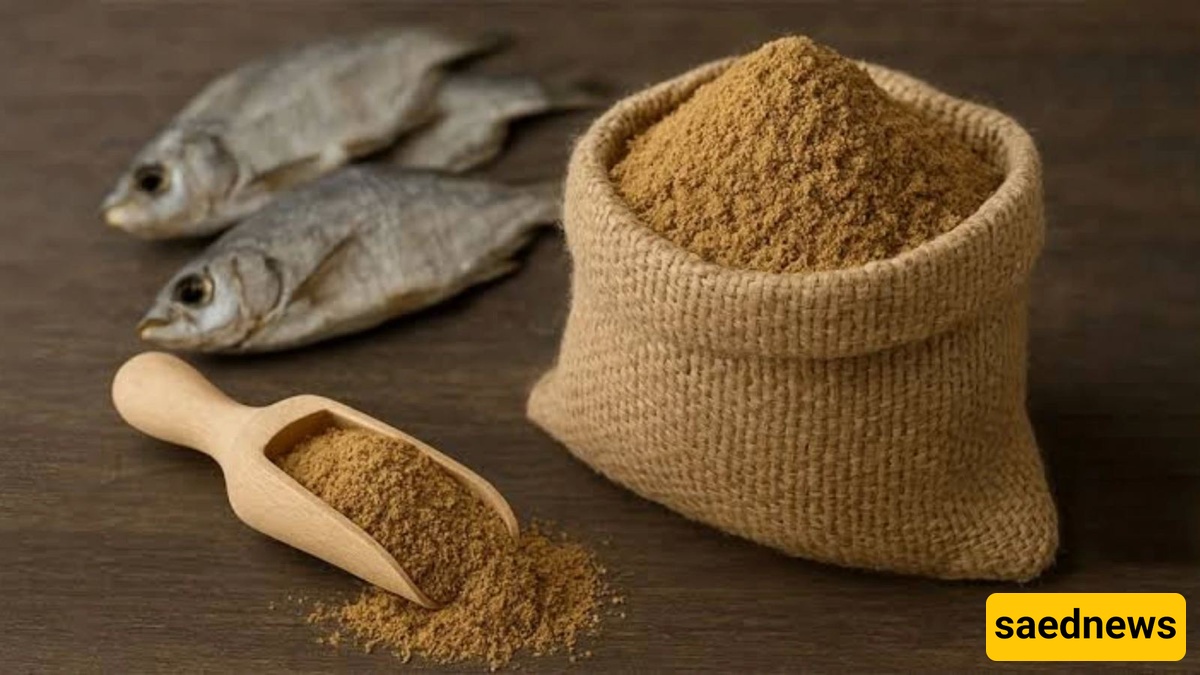
According to Saednews, Fish meal is a solid, dried product made by grinding cooked and dried fish or fish by-products. It is highly nutritious and is widely used in animal feed, aquaculture, and poultry diets. It is also used in agriculture as a high-quality natural fertilizer. Fish meal can be produced from various types of aquatic species.
High-quality fish meal is generally produced from small ocean fish that are not suitable for direct human consumption. These fish are ideal for industrial processing because they typically contain relatively high levels of oil and bone. In the fish meal industry, they are commonly referred to as industrial fish.
Sardines, anchovies, and myctophid fish are among the important industrial fish used in fish meal production. Their abundance, ease of harvesting, and nutritional value make them suitable raw materials for this purpose.
Fish meal production is a multi-stage process that requires appropriate equipment and careful attention to hygiene and processing conditions. The main stages are as follows:
In the first stage, freshly caught fish are washed and cooked at a suitable temperature, usually between 90 and 100°C. Cooking causes the proteins to coagulate, releases oil and moisture, and helps sterilize the raw material.
Cooking temperature and duration are important factors in determining the quality of the final product.
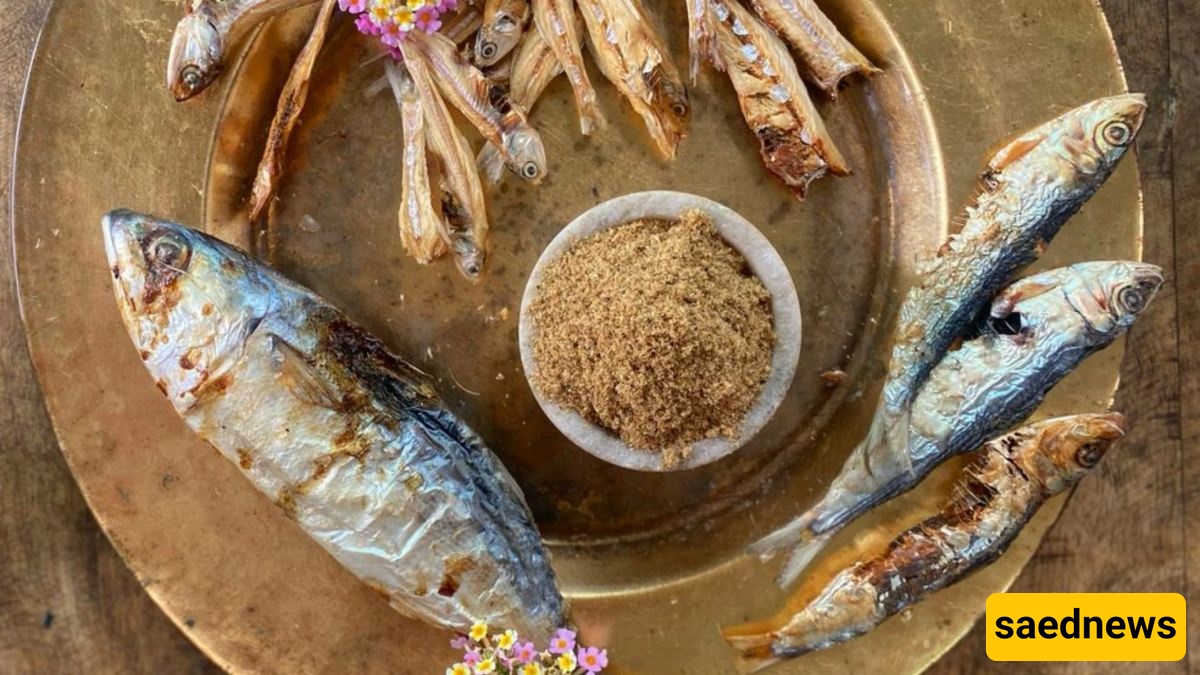
The cooked fish are then subjected to pressure to remove excess oil and moisture. This process produces two main fractions: a solid fraction, known as press cake, and a liquid fraction containing water and oil.
The press cake contains proteins and minerals, while the liquid fraction is transferred to subsequent stages for fish oil recovery.
After pressing, the press cake generally contains approximately 40–50% moisture. To improve shelf life and reduce transportation costs, it is dried until its moisture content reaches approximately 8–10%.
Drying must be carefully controlled. Excessive temperatures can damage proteins and amino acids and reduce the nutritional quality of the finished fish meal.
Once dried, the material is ground into a uniform powder. Grinding increases the surface area of the product and can improve its digestibility. The finished fish meal is then prepared for packaging.
The final fish meal is subjected to laboratory testing to determine important characteristics such as protein, nitrogen, phosphorus, soluble iron, soluble copper, organic carbon, organic matter, and pH.
Laboratory analysis helps verify the nutritional quality of the product and its compliance with relevant feed or agricultural standards.
High-grade fish meal is a rich source of protein, fat, minerals, and vitamins. These nutrients make it an important ingredient in diets for livestock, poultry, and aquatic animals.
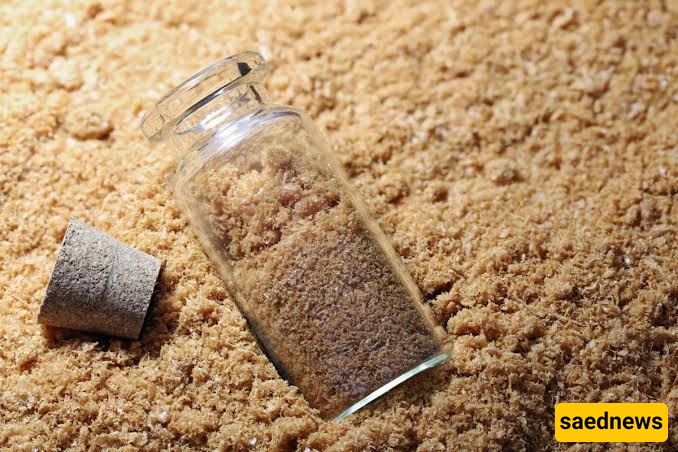
Its main nutritional properties include:
High-quality protein: Fish meal can contain approximately 60–70% crude protein, with a relatively balanced amino acid profile.
Essential amino acids: Amino acids such as lysine, methionine, and threonine are present in significant amounts and are important because animals cannot synthesize sufficient quantities of some essential amino acids themselves.
Omega-3 fatty acids: EPA and DHA are among the important fatty acids found in fish meal and can contribute to overall animal health.
Minerals: Calcium, phosphorus, iron, zinc, and selenium are among the minerals found in fish meal and play important roles in bone development and normal physiological functions.
Good digestibility: The proteins and fats in fish meal are generally highly digestible, helping animals efficiently utilize the nutrients in their feed.
Fish meal can provide several nutritional benefits when incorporated appropriately into animal diets.
The amino acids, proteins, and fatty acids in fish meal support tissue development and growth in livestock, poultry, and aquatic animals. Its nutritional value can be particularly useful during early stages of animal development.
The nutrients and minerals found in fish meal contribute to normal immune function and overall animal health. Adequate nutrition can help animals maintain better resistance to health challenges.
Adding fish meal to animal diets can improve feed palatability and encourage feed consumption. Its nutrient density can also contribute to efficient utilization of the diet.
Because fish meal contains highly digestible nutrients, efficient nutrient utilization can help reduce the amount of undigested material released into the environment, particularly in aquaculture systems.
The quality of fish meal depends on several factors, including the following:
Fish freshness: Using fresh fish processed soon after harvesting is important for maintaining nutritional quality. Spoiled or poorly stored fish can have reduced nutritional value and may contain undesirable compounds such as elevated histamine.
Cooking conditions: Temperature, pressure, and cooking time must be carefully controlled. Excessive cooking can damage amino acids and reduce protein quality.
Drying process: Drying at excessively high temperatures or for too long can damage proteins. Rapid drying under appropriate conditions generally produces better results.
Absence of foreign materials: Sand, gravel, metals, and other foreign materials can significantly reduce product quality. Appropriate separation and screening equipment should therefore be used.
Packaging and storage: Fish meal should be stored in moisture-resistant packaging and kept in cool, dry conditions. Proper storage helps limit fat oxidation and preserve product quality.
Because of its nutrient-rich composition, fish meal has a wide range of applications in different industries.
Fish meal is traditionally used as an ingredient in feeds for farmed species such as trout, carp, shrimp, and other aquatic animals. Its protein and amino acid content can support growth and healthy development in aquaculture.
In poultry production, fish meal can be used as a source of animal protein in diets for broiler chickens and laying hens. Depending on the formulation and inclusion rate, it can contribute to growth, egg production, and overall nutritional balance.
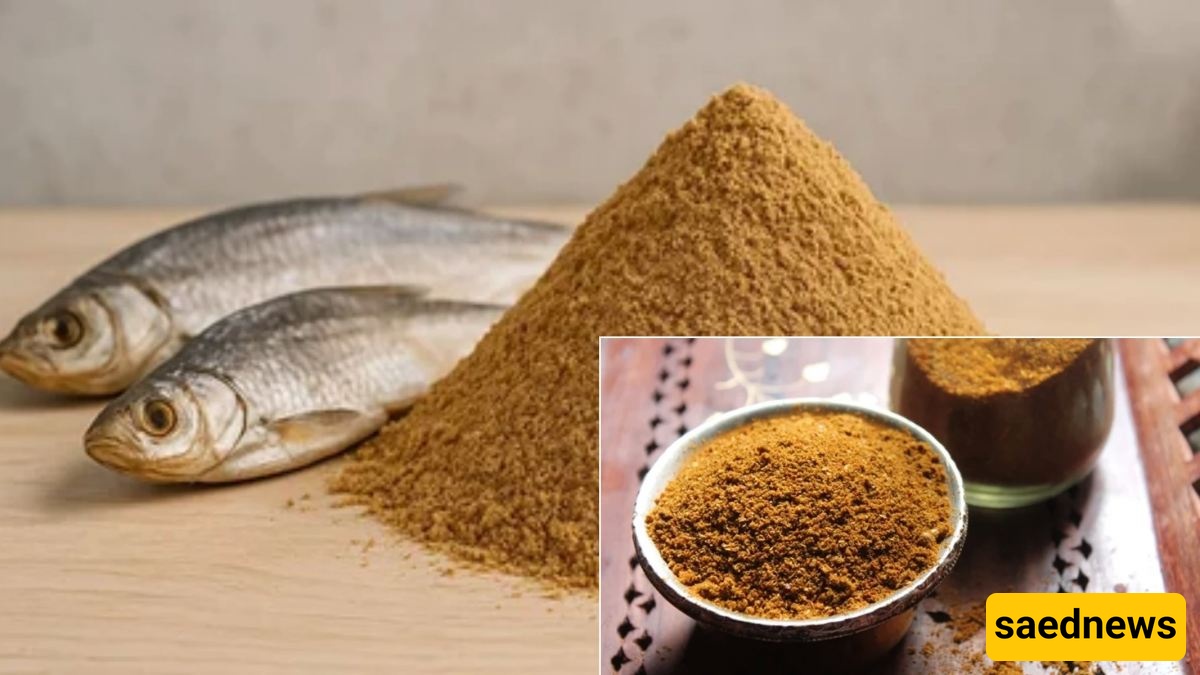
Fish meal is also used in livestock nutrition, including diets for dairy cattle and young animals. Its concentrated protein and mineral content can help meet nutritional requirements when appropriately incorporated into balanced feed formulations.
Fish meal can also be used as a natural organic fertilizer. It provides nutrients such as nitrogen and phosphorus and may contribute to improved soil fertility and microbial activity.
It can be used in the cultivation of various crops, including pistachios, tomatoes, eggplants, and tobacco, as part of an appropriate fertilization program.
When evaluating fish meal, buyers can consider several physical and analytical characteristics:
Color: Good-quality fish meal generally ranges from light brown to dark brown. An unusually dark or burnt appearance may indicate excessive heating or poor processing.
Odor: A fresh, characteristic fish odor is generally expected. A strong, rancid, or unpleasant odor may indicate spoilage or oxidation of fats.
Texture: Fish meal should be dry and relatively uniform, without excessive lumps or signs of moisture.
Laboratory analysis: The most reliable way to assess quality is through laboratory testing of parameters such as protein, fat, moisture, and ash content.
Fish meal is a nutrient-dense source of protein used in livestock, poultry, and aquaculture nutrition. It provides essential amino acids, fatty acids, minerals, and other nutrients that can contribute to animal growth and overall health.
When produced and stored under appropriate conditions, fish meal can be a valuable feed ingredient. Its nutritional density and digestibility can also help improve feed efficiency and support productive animal farming systems.