SAEDNEWS: Mosaic is essentially a type of concrete that achieves its density either through pressing under pressure or through vibration. Join us as we take a closer look at mosaic and learn more about its characteristics and uses.
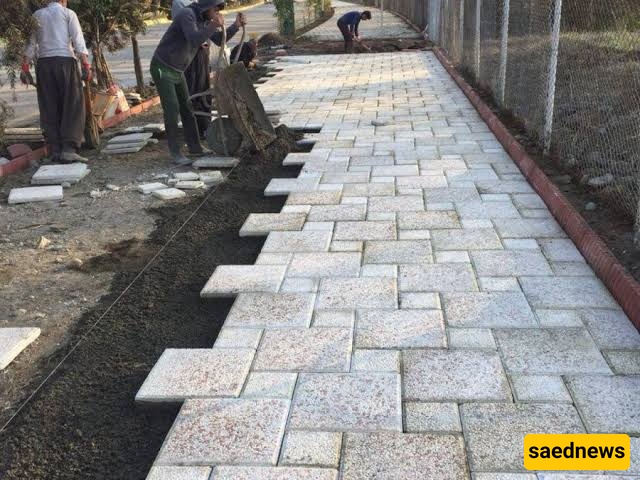
According to Saednews, Mosaic is a type of compact, manufactured flooring material. It is essentially considered a type of concrete flooring. The required density of mosaic tiles can be achieved either through mechanical pressing or vibration. The main materials used in mosaic production include sand, stone powder, water, cement, and aggregates. Mosaic tiles are available in a wide variety of sizes, colors, patterns, and designs.
Mosaic flooring is a dense flooring material that can be considered a form of concrete. Its compactness is achieved either through hydraulic or mechanical pressure or through vibration. It is manufactured from a mixture of sand, cement, aggregates, stone powder, and water in various dimensions and designs.
In general, a mosaic tile consists of two layers:
1. Top Layer or Decorative Layer
This is the visible surface of the mosaic and forms its design and appearance. It is made from stone powder, cement, water, and graded and colored aggregates. The type, size, and color of the aggregates determine the final appearance of the tile.
2. Bottom Layer or Base Layer
The bottom layer is thicker than the top layer and is responsible for bearing and distributing pressure. Like the top layer, it is made primarily from cement, water, and sand.
In the pressed method, pressure is applied using a pressing machine to compact the mosaic mixture. The amount of pressure depends on the dimensions of the tile and the type and size of aggregates used.
Mosaic tiles manufactured using this method generally require surface grinding and polishing after production. These products are commonly known as two-layer or double-layer mosaics.
In the vibration method, no mechanical pressing is applied. Instead, compaction and uniform distribution of the mixture are achieved using a vibrating machine.
Because these mosaics generally have a smooth surface, they usually do not require grinding or polishing. However, some types of vibrated mosaics contain decorative stones and may undergo surface treatment after production. These are generally known as single-layer mosaics.
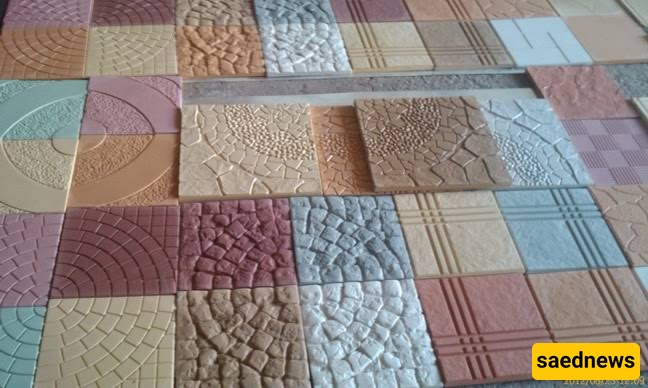
Mosaic flooring can generally be divided into several categories, including:
Granite mosaics and conventional mosaics
Vibrated mosaics
Washed mosaics
Single-layer mosaics
Cement mosaics
Stone-aggregate mosaics
Grooved mosaics
Washed-surface mosaics
Terrazzo or plaque mosaics
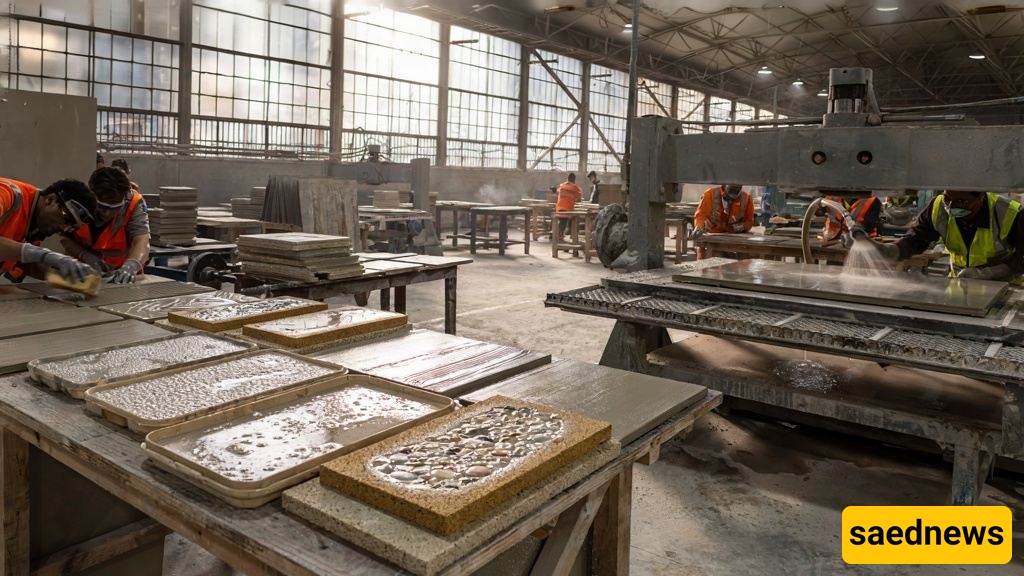
Vibrated mosaics are single-layer tiles that are manufactured without mechanical pressing and generally do not require grinding. Their production does not require highly complicated machinery.
A basic production line may consist of a mixer, a dosing or measuring device, and a conveyor belt approximately 10–12 meters long equipped with a vibrator.
The production process begins by mixing the raw materials. The required amount of the mixture is then measured and poured into rubber molds. The molds are placed on a vibrating conveyor. Vibration removes trapped air from the mixture and helps compact the material.
The filled molds are then left to dry for approximately five hours. Afterward, the molds are removed, and the mosaic tiles are immersed in water for curing. Once curing is complete, the tiles are packaged for distribution.
Washed mosaics are manufactured using a process similar to that used for granite and conventional mosaics. However, there are differences in the curing and surface-finishing stages.
After production, the mosaic tiles remain in a heated chamber for approximately five hours to allow them to lose their excess physical moisture.
The surface-finishing process is also different from that used for conventional mosaics. Instead of grinding heads or abrasive stones, wire brushes are used in the grinding machine. The brushes are arranged in three stages, progressing from coarse to fine, to finish the surface of the mosaic.
During this process, water is sprayed onto the surface of the tiles under pressure. This exposes the decorative stone aggregates and creates the characteristic washed appearance.
Another type of mosaic is the single-layer mosaic, which has historically been produced and used extensively in countries such as Germany and Italy.
Because these tiles are relatively lightweight, they can be suitable for use in multi-story buildings. Unlike conventional mosaics, this type does not have a separate bottom or base layer.
Very fine aggregates are used in its composition. Overall, its manufacturing process is similar to that of granite mosaic. During the pressing stage, special channels are incorporated beneath the press to facilitate the removal of excess material and improve the final structure of the tile.
A cement mosaic is a tile whose visible surface does not contain decorative stone aggregates. Instead, its appearance is created mainly through grooves, lines, and simple patterns.
A stone mosaic contains decorative stones or aggregates on its visible surface. These mosaics are generally produced in three main surface finishes:
Grooved or patterned
Smooth
Washed
Depending on the size and diameter of the visible stone aggregates, stone mosaics can be divided into several categories.
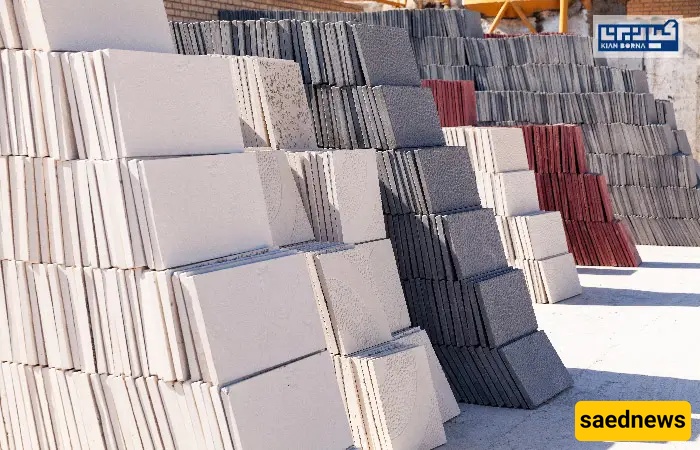
A grooved mosaic has various depressions and raised areas on its surface. These patterns can create decorative or functional textures. This type of mosaic is commonly used for pedestrian walkways, pavements, courtyards, and outdoor areas.
A washed mosaic is characterized by visible sand and stone particles that project slightly from the surface. The surface treatment exposes the aggregates and gives the tile a textured, natural appearance.
A plaque mosaic is a type of mosaic whose top layer contains hard, polishable construction materials or decorative stones. The size of these materials varies according to the dimensions of the mosaic tile. Plaque mosaics are generally manufactured with a smooth, polished surface.