SAEDNEWS: Melon has exceptional properties and is beneficial for repairing body cells, reducing blood pressure, and promoting skin freshness. In the following, you will become familiar with all the benefits and properties of consuming melon.

According to Saednews, Melon is a delicious and highly nutritious summer fruit from the Cucurbitaceae family. It is rich in vitamins A, B, and C, as well as important minerals such as calcium, potassium, and phosphorus.

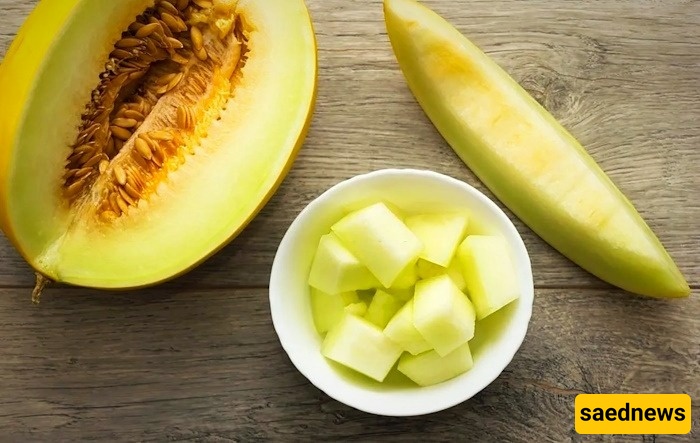
This fruit has a yellow to orange color, a soft and juicy texture, and a sweet, fragrant taste. It usually grows on the ground in round or elongated shapes. Inside the melon are small white seeds that also have nutritional benefits.
Due to its high nutritional value, melon is considered a beneficial fruit for hydrating the body and improving overall health. In this section, we will explore its many benefits.

1 g fiber
12 mg calcium
17 mg phosphorus
238 mg potassium
1250 IU vitamin A precursor
31 kcal energy
37 mg vitamin C

Melon has a balanced and moist nature. The sweeter the melon, the warmer and more moist its nature is considered.
Different types of melons are cultivated in Iran:
Mashhadi melon: One of the most famous types, with deep yellow flesh, sweet taste, and juicy texture. It is considered helpful for kidney stones due to its diuretic properties.
Dastambo melon: Small, highly aromatic, grown in hot and dry regions like Yazd and Kerman. It has a slightly tangy taste and is used to relieve thirst.
Green melon: Has green skin with pale yellow or white flesh. It is firmer and has a longer shelf life.
Shamam melon: A large melon with orange flesh and sweet taste, similar to cantaloupe, commonly found in northern regions and Hamadan.
Lebanese melon (cantaloupe): Has a netted skin and sweet flavor; widely used in desserts, smoothies, and fruit salads.

Melon contains high levels of folate, which helps cell production and reduces neural tube defects in the fetus. It also helps reduce water retention.
Vitamin A in melon supports lung health and may help repair damage, especially in smokers.
Melon has calming properties that reduce anxiety and improve sleep quality.

It may help regulate blood flow and reduce menstrual discomfort due to antioxidants and hydration.
Melon is 90% water and low in calories. Its fiber promotes satiety and helps prevent overeating.
Vitamins A and C strengthen the immune system and help fight infections.
Its antioxidants help reduce inflammation and support detoxification of the liver.
It may improve sperm quality, support prostate health, boost energy, and improve cardiovascular health.

Potassium helps regulate blood pressure and supports cardiovascular function.
Antioxidants such as vitamin C and beta-carotene help protect cells from damage caused by free radicals.
Melon may improve memory, concentration, sleep quality, and reduce stress.
Beta-carotene converts to vitamin A, helping maintain vision and reduce risk of cataracts.
Its low glycemic impact and hydration properties may help protect kidney function.
Helps remove kidney and bladder stones
Relieves constipation
Improves digestion
Reduces fever and heat exhaustion
Supports lung conditions like tuberculosis
Helps treat hemorrhoids
Improves mood and mental clarity
Hydrates and brightens skin
Reduces wrinkles and pigmentation
Helps repair minor burns
Improves elasticity due to vitamin C
Protects against UV damage

Melon face mask:
Mash melon with oats and yogurt, apply for 20 minutes, then rinse with warm water.
May reduce hair loss due to B vitamins
Acts as a natural conditioner, improving softness and shine
Seeds: Help with digestion, kidney cleansing, cough relief, and act as a mild laxative
Peel: Used as a mouth rinse for tooth pain relief
Melon root tea: Traditionally used as a diuretic and in some treatments for inducing vomiting

May cause bloating and digestive discomfort if overeaten
Excess consumption can increase blood sugar
Eating at night may cause indigestion
Unripe melon may cause diarrhea and weakness
May interact with certain medications (especially diuretics)
Can worsen cold symptoms in some individuals
Overconsumption may increase body heat and thirst
Melon with honey is not recommended in traditional medicine
Eating before meals may cause diarrhea in sensitive individuals

Melon is a highly hydrating, nutrient-rich fruit that supports many aspects of health when consumed in moderation as part of a balanced diet.