SAEDNEWS: For thousands of years, epidemic diseases have existed around the world, and humanity has faced them since the earliest days of its social life. Many of these epidemics have had major consequences for human society, ranging from massive human casualties to migration and significant financial costs.
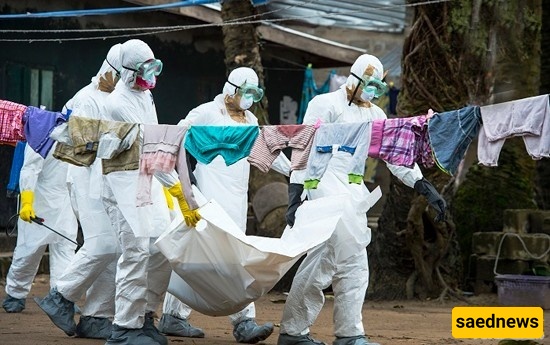
According to the Society News Service of Saed News, pandemics have existed for thousands of years, and humanity has faced them since the earliest stages of social life. The first historical references to epidemics can perhaps be traced back to 430 BC during the “Peloponnesian Wars” (wars fought between the allies of the city-state of Athens and the allies of Sparta in Greece).
Many of these epidemics have had major consequences for human society, ranging from massive loss of life to migration and enormous financial costs. Al Jazeera, in a report, has reviewed 10 pandemics that have caused significant transformations in human society.
The “Plague of Justinian” was a global pandemic that affected the Byzantine Empire, especially its capital Constantinople (modern-day Istanbul), as well as the Sasanian Empire (Iran) and ports across the Mediterranean region. It was one of the deadliest plagues in history, killing an estimated 25 to 50 million people over nearly two centuries (13–26% of the world’s population at the time).
It is estimated that during its peak, the population of Europe was reduced by half within just 12 months, and around 5,000 people were dying daily.
Procopius, a Greek historian of that era, described the outbreak as global. The plague was named after Justinian I, the Byzantine emperor at the time. Justinian himself contracted the disease but survived.
Historical sources indicate that the pandemic halted trade activities and weakened the Roman Empire, leading to the loss of many territories in North Africa, Eastern Europe, and Western Europe. Many modern researchers compare its social and cultural impacts to the Black Death that struck Europe 600 years later.

The “Black Death” was a plague epidemic that swept across Europe between 1347 and 1351. Although not the first major epidemic in Europe, it was the first to be extensively documented by historians.
The exact death toll is uncertain, but it is estimated that about one-quarter to one-third of Europe’s population—around 25 million people—died within three years. A similar number of deaths is estimated in Asia during the same period. Some experts believe it took more than 200 years for Europe’s population to recover to pre-1347 levels.
One of the most important consequences of this pandemic was the decline of the feudal system in Europe, as a large portion of the workforce (peasants and farmers) died. As labor became scarce, wages increased significantly, creating major disruptions, especially in agriculture.
When Europeans arrived in the Americas in 1492, they also introduced several new infectious diseases, including smallpox. This disease killed about 30% of those infected.
According to some reports, smallpox killed around 20 million people—about 90% of the population of the Americas during that period. This epidemic greatly facilitated European colonization and reshaped the history of both the Americas and Europe.

The first cholera pandemic emerged in Jessore, India, and spread across much of the Indian subcontinent and neighboring regions. It claimed millions of lives before Dr. John Snow was able to gather insights into limiting its spread.
The World Health Organization describes cholera—affecting 1.3 to 4 million people annually worldwide—as a “neglected” pandemic. The seventh global wave of cholera, which began in 1961, is still ongoing today.
Since cholera is caused by consuming contaminated food or water, it has disproportionately affected countries suffering from poverty and unequal wealth distribution, with minimal impact on wealthier nations.
The Spanish Flu began after World War I and is considered one of the deadliest pandemics in history. It spread across Asia, Europe, North America, the Arctic, and remote Pacific islands.
More than half a billion people were infected, and between 20 to 50 million people died. Unlike previous influenza outbreaks, many of the victims were young adults rather than the elderly and children.
This massive loss of life led the world to increase efforts in fighting pandemics, and later decades saw major advancements in understanding disease transmission and prevention.

Fifty years after the Spanish Flu, another influenza pandemic spread globally in 1968. It was the third influenza pandemic of the 20th century, after the 1918 Spanish Flu and the 1957 Asian Flu.
The Hong Kong Flu is believed to have been a mutated strain of the Asian Flu virus. It killed around one million people, including about one-tenth in the United States.
Although less deadly than the 1918 pandemic, it was highly contagious, infecting 500,000 people within two weeks of the first reported case in Hong Kong. It highlighted the critical importance of vaccination in preventing future outbreaks.
SARS is caused by a coronavirus closely related to modern COVID-19. In 2003, it originated in Guangdong Province, China, and spread to 26 countries, infecting over 8,000 people and causing 774 deaths.
The outbreak was largely contained due to strong public health responses, including isolation of infected individuals and quarantine measures.
The Swine Flu was a new influenza strain that emerged in 2009. During its peak, over 60 million people in the United States were infected.
Globally, death estimates ranged from 151,000 to 575,000. The virus was named “swine flu” because it appeared to originate from pigs.
Unusually, over 80% of deaths occurred in people under the age of 65, unlike typical flu outbreaks that mostly affect the elderly.
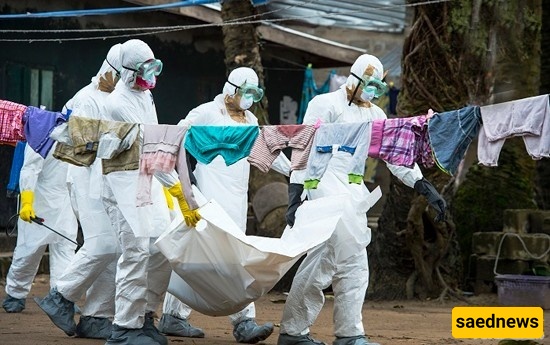
The Ebola virus, named after a river near where it was first identified, initially appeared in a small village in Guinea in 2014 and later spread to neighboring West African countries.
It infected about 296,000 people in Guinea, Liberia, and Sierra Leone, causing over 11,000 deaths. The outbreak also caused an estimated $4 billion in economic losses, significantly reducing development investment in affected regions.
In late 2019, a new strain of coronavirus—later named COVID-19—was discovered in Wuhan, Hubei Province, China. It was first reported to the World Health Organization on December 31.
Scientists linked it to the coronavirus family that includes SARS and MERS. Although it was initially considered less deadly than SARS and MERS, it spread extremely rapidly.
Early reports suggested more than 115,000 infections across over 100 countries, with over 4,000 deaths at that stage. The pandemic continued to spread globally, with potential long-term impacts on health systems and the world economy.
Some estimates suggested that up to 40–70% of the global population could be affected, with trillions of dollars in economic losses.