SAEDNEWS: Divorce and separation have many consequences for both men and women, ranging from emotional harm to post-divorce economic problems, which are among concerning social issues.

According to Saednews, The consequences of divorce and the breakdown of the family unit are among the most serious and concerning social problems. In the current situation, divorce has become one of the most common solutions for an unsuccessful marriage. Even under the best circumstances, divorce and separation from a spouse is an emotionally distressing experience, and in the worst cases, it can lead to severe shock and confusion. Another problem resulting from divorce is loneliness and difficulty in readjusting to society. This introduction sets the stage for a more detailed discussion in this section.

When facing separation and divorce, important questions and concerns may arise in your mind:
Where will I live?
How will I be financially secure?
How can I manage life as a single parent?
How will my children cope with this situation?
Will I lose my friends?
Will my friends take the other side?
How can I work as a single individual?
No one will take care of me!
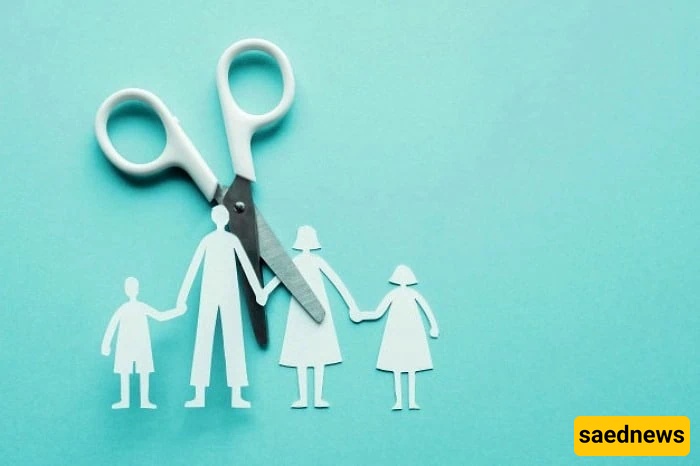
People believe that during emotional crises, when individuals are unable to think clearly, legal systems and divorce lawyers handle their issues. Some also think hiring a lawyer is a way to take revenge on the other party or quickly obtain what they believe they deserve. Unfortunately, the adversarial nature of legal proceedings makes the process long and stressful, often turning it into an expensive conflict where both sides end up more damaged than before.
The law does not help people deal with emotions such as anxiety, sadness, despair, anger, shame, loss, fear, excitement, and betrayal—these are only some of the emotions experienced during this period.
Communication between the couple often breaks down, leading both sides to feelings of frustration and misunderstanding. One partner may have already accepted the idea of separation, while the other still hopes to maintain the relationship and needs more time to accept it. Emotional contradictions are common: at times, tension makes one want to leave, while in calmer moments they may think, “It’s not that bad.”

You may also think:
Maybe we can solve things another way.
We should stay together for the children.
We respected each other’s commitments.
While trying to make a rational decision, you may wonder whether your feelings and logic align. Statistics show that after the death of a loved one, divorce is the second most stressful life event, though many believe it should be at the top of the list. Divorce is like a form of grief—mourning the shared dreams and life that were built together.
During separation, both partners need time to adjust. One may have moved forward emotionally while the other is still in denial or self-blame. At the same time, major decisions must be made regarding separation, children, finances, and property.
It is important to take time to think and allow the other person to do the same. Learn about separation and divorce, and if necessary, consult a legal advisor. If your partner is ready to move forward and you are not, explain that you need time—but understand that they will not wait indefinitely. Ultimately, delaying decisions too long can create further complications.

You may find yourself thinking:
Maybe there is still a way to fix things.
We should try harder for the sake of the children.
While trying to make rational decisions, you may struggle with whether your inner feelings match your outward behavior. Divorce is considered one of the most stressful life experiences, second only to the death of a loved one.
Divorce is a form of letting go, just as death requires mourning. Mourning the relationship and shared dreams is necessary. As you go through separation, remember that both individuals must adapt to a new phase of life. One partner may already be further along in the process, while the other is still struggling with loss, blame, or confusion.
You must make many decisions about separation, children, finances, assets, and future life arrangements.
Take time to think and allow your spouse the same opportunity. Seek information and, if needed, legal consultation. If one partner is ready to proceed and the other is not, communication about needing time is essential, but delays cannot continue indefinitely.

One of the major consequences of divorce is exposure to severe psychological pressure. A woman who enters marriage with hope and dreams often never imagines the breakdown of her family. When it happens, she may experience despair, which in some cases can lead to depression.
Stress about returning to her parental home, reactions from others, fear of blame for not maintaining the marriage, and guilt are among the psychological burdens faced by divorced women.
If a woman has children, the difficulties increase significantly. Child custody concerns are among the most important worries for divorced mothers.
Social consequences of divorce include stigma, difficulty remarrying, fear among potential partners, judgment from society, and emotional isolation. Many divorced women face social rejection and intrusive questioning, leading to significant emotional distress.

Economic hardship is another major issue. Women without financial independence may struggle significantly after divorce. If they also have custody of children, the situation becomes even more difficult. In some cases, financial pressure has led women into unsafe or unlawful activities to survive.
Men also face psychological consequences after divorce, including depression, hopelessness, and reduced self-esteem. They are also vulnerable to mental and physical health problems such as heart disease, digestive disorders, respiratory issues, and hair loss.
Because of work responsibilities outside the home, many men struggle to manage household life and child-rearing after divorce, which creates additional difficulties.
Men are also affected by social consequences such as increased risk of behavioral problems, isolation, and difficulties in forming stable relationships.

A major financial burden for men is the obligation of paying mahr (dowry payments), which in some cases can be extremely heavy. Inability to pay may lead to financial collapse or even legal imprisonment, resulting in loss of years of productive life.
Although divorce can sometimes be a necessary solution, it acts like a storm that leaves no one completely unharmed.