SAEDNEWS: Tarragon: Multiple Health Benefits Including Prevention of Cancer Cell Growth, Anemia Relief, and Toothache Reduction
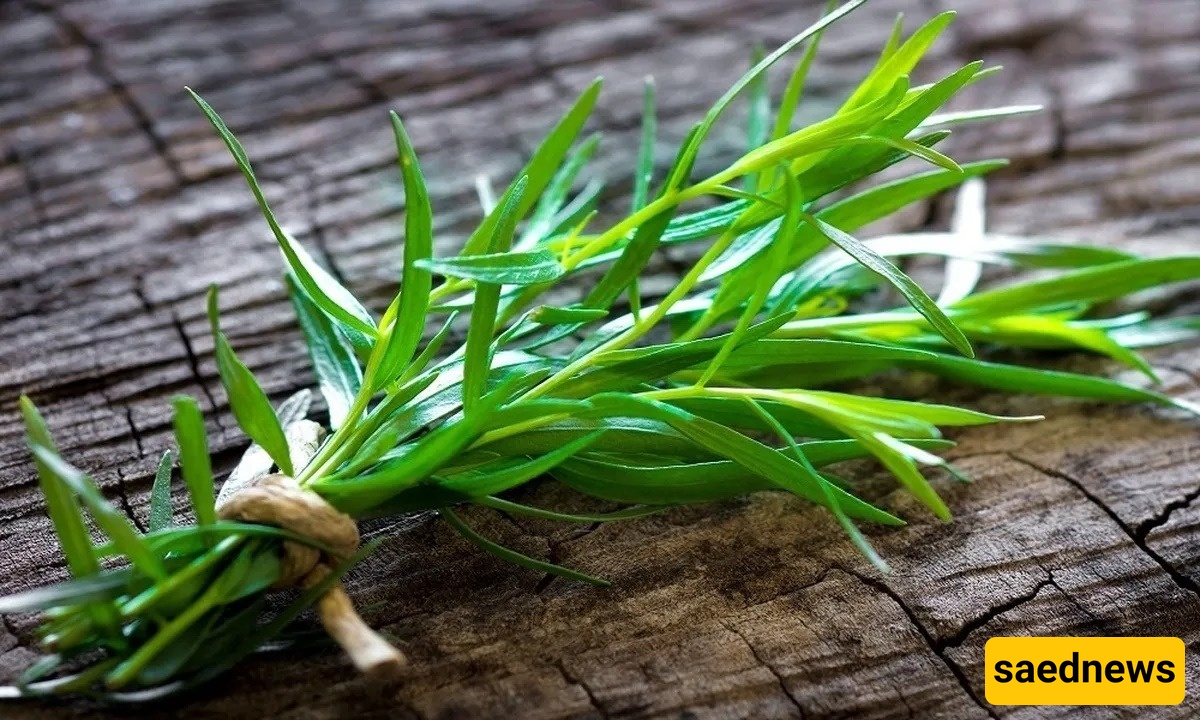
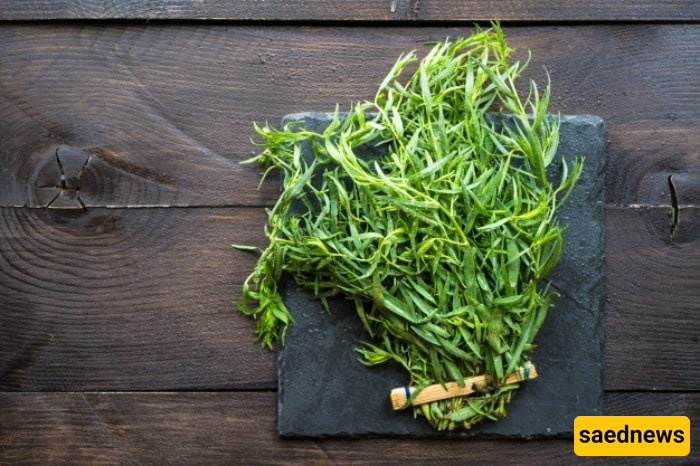
According to Saednews, Tarragon (Estragon) is a perennial herb native to Eurasia and North America. It can grow up to about 1.5 to 2 meters and spreads rapidly through rhizomes. The plant is rich in antioxidants and helps improve digestion and strengthen muscles. It is used in foods, sauces, and herbal teas.
Tarragon has a warm and dry temperament. The wild variety is significantly warmer and drier than the cultivated type. This herb has drying properties and helps reduce dampness in the body, breaking down gas, bloating, and viscous bodily humors.
Tarragon leaves contain antioxidants that help fight free radicals in the body. Antioxidants may protect the body against many diseases.
Due to these antioxidants, tarragon may help inhibit the growth of cancer cells by neutralizing free radicals.

Tarragon contains phytochemical compounds that may help prevent plaque buildup in arteries and support normal blood pressure. Its potassium content also plays an important role in regulating heart contractions.
It may protect the heart from cardiovascular diseases and, due to its anti-inflammatory antioxidants, helps protect blood vessels from damage.
It may also help prevent ischemic heart disease by reducing arterial plaque accumulation.
Tarragon is rich in dietary fiber, which may help regulate metabolism and energy distribution in the body. This mechanism may contribute to lowering blood sugar levels in diabetic patients.
Tarragon leaves contain iron, which is essential for the production of red blood cells and hemoglobin. Vitamin C in the plant also improves iron absorption, helping prevent anemia.

Zinc in tarragon helps protect the intestinal mucosa. In cases of damage such as diarrhea, it may support repair and regeneration of the intestinal lining.
Tarragon may support muscle strength by improving nutrient absorption and increasing body energy. It may help increase creatine absorption and support muscle mass development, especially when combined with carbohydrate intake.
Tarragon contains magnesium, which acts as a natural muscle relaxant and may help prevent muscle cramps.
It is rich in calcium and phosphorus, both essential for bone formation and maintaining bone strength and health.
Vitamin C in tarragon helps produce antibodies and strengthens the immune system against bacteria and viruses.
Calcium and phosphorus also contribute to stronger teeth and dental health.
Antioxidants in tarragon have anti-inflammatory effects, helping reduce swelling, redness, and other inflammatory symptoms. Omega-3 fatty acids may also contribute to this effect.
Tarragon contains vitamin A, which supports eye health, improves vision clarity, and may help protect against degenerative eye conditions such as cataracts.
Vitamin B12 in tarragon supports nervous system function and may help reduce neuropathy symptoms such as tingling and numbness.
Tarragon acts as a natural diuretic, helping the body eliminate waste through increased urination while maintaining fluid balance.
Due to the presence of eugenol, tarragon may help relieve tooth pain. It can be chewed or consumed as an herbal tea for this purpose.
Tarragon has a calming effect that may help reduce insomnia symptoms and improve sleep quality.

Its calming properties may reduce anxiety and mental tension, promoting relaxation.
Vitamin B6 supports the central nervous system and brain function, potentially improving cognition and helping prevent cognitive decline.
Because of its aromatic essential oils, tarragon may help reduce bad breath and body odor. It can also be used to make natural deodorants.
Tarragon may stimulate appetite by sending signals to the brain and helping reduce appetite loss.
It stimulates bile secretion in the liver, improving digestion and helping relieve indigestion, stomach discomfort, and irritable bowel symptoms.
Its dietary fiber content helps improve digestion and supports regular bowel movements.
Compounds such as eugenol and magnesium may help relax muscles and reduce menstrual pain (dysmenorrhea).
Rich in vitamin C and antioxidants, tarragon may help support detoxification processes and eliminate toxins from the body.
Tarragon is rich in antioxidants, vitamins (especially vitamin C), and minerals. It has antimicrobial properties and may help strengthen hair follicles, improve scalp circulation, and reduce hair loss.
It may stimulate hair follicles by improving blood flow to the scalp, promoting stronger and thicker hair growth.
Antioxidants help protect hair cells from free radical damage, reducing hair loss.
Its antifungal and antibacterial properties may help reduce dandruff, itching, and inflammation.
Tarragon extract can act as a natural conditioner, improving moisture, softness, and shine.
Boil tarragon leaves in water, strain the liquid, let it cool, and use it as a scalp rinse or strengthening herbal treatment.
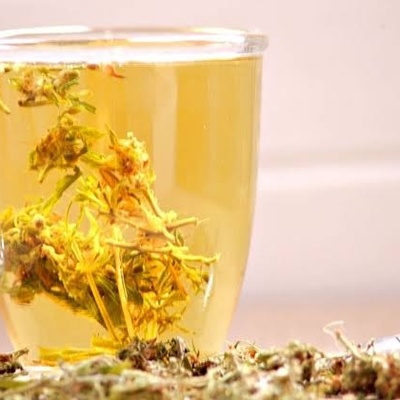
Tarragon tea is a fragrant herbal drink made by steeping tarragon leaves. It is used for its anti-inflammatory properties, digestive support, and sleep improvement.
1 teaspoon dried tarragon or 1 tablespoon fresh tarragon
2 cups boiling water
Place tarragon in a teapot.
Add boiling water.
Let it steep for 10–15 minutes.
Strain and drink.
You may add honey or lemon to improve taste.
Tarragon is generally safe when consumed in normal dietary amounts. However, long-term medicinal use may be risky due to the presence of estragole, a compound that has raised concerns about potential carcinogenic effects in some studies.
Possible side effects include:
Not suitable for people with a very warm body constitution in excess use
Possible breathing discomfort in some individuals
May reduce libido in excessive amounts
May thicken blood if overused
Pregnancy and breastfeeding: medicinal use may be unsafe and could stimulate menstruation
Bleeding disorders: may slow blood clotting
Allergies: people allergic to Asteraceae family plants may react
Surgery: should be stopped at least 2 weeks before surgery due to bleeding risk
Tarragon may help regulate blood sugar due to its fiber content and metabolic effects, supporting glucose balance in diabetic individuals.
Dried tarragon is widely used in cooking and herbal medicine. It adds flavor to dishes and may improve digestion, especially in heavy meals.
The main difference is their plant families:
Tarragon belongs to the Asteraceae family
Savory belongs to the mint family (Lamiaceae)
Tarragon flowers are yellow, while savory flowers are white or purple.
Savory is warm and dry, but tarragon is considered very warm and dry.
Fresh tarragon should be stored in the refrigerator by washing, wrapping in a damp paper towel, and placing it in a plastic bag.
Fresh tarragon lasts about 4–5 days in the fridge
Dried tarragon lasts 4–6 months in a sealed container in a cool, dark place