SAEDNEWS: This post details how to safely prepare pasta as an occasional treat for your cat by combining plain, cooked noodles with lean protein like meat, while strictly avoiding all spices and sauces.
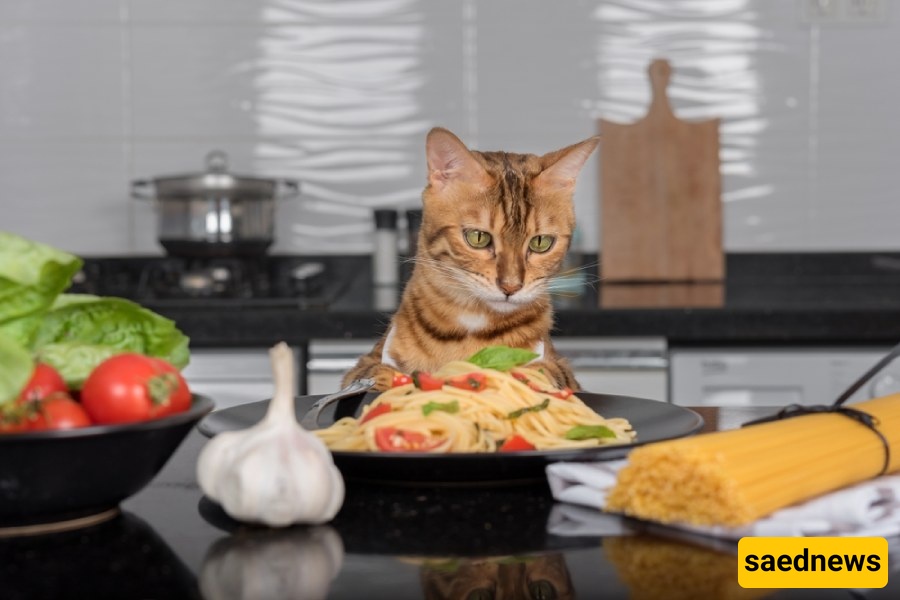
According to SAEDNEWS, By learning how to prepare cat food with pasta, you can create a delightful treat for your cat. Simply combine plain, cooked pasta without harmful additives like spices with healthy protein sources such as chicken or meat to give your cat a healthy meal. This method, in addition to varying the diet, is a good opportunity to reward your cat without compromising its health and primary nutritional needs.
Cats are carnivores, and their bodies require animal proteins and fats to obtain energy and nutrients. Pasta is made from flour, water, and eggs and contains a high amount of carbohydrates, which are not essential for a cat’s body and do not have significant nutritional value. A cat can eat a very small amount of plain, cooked pasta, and generally, no problem arises from this small quantity.
The point to note is that pasta should not be a regular part of your cat’s diet. Because it is high in calories, it can lead to weight gain, digestive problems, and allergies. Therefore, if your cat likes pasta, it can occasionally have a small amount of plain, unseasoned pasta, but its diet should be based on specialized cat foods and appropriate protein sources so that its health is not endangered.
Cats’ digestive systems are not fully equipped to digest carbohydrates like pasta. Therefore, the type of pasta matters for the cat, as some types can make digestion more difficult or even pose risks to them.
Plain, Cooked Pasta: The best choice for a cat is completely plain, cooked pasta, without the use of any spices, salt, oil, sauce, or seasoning.
Whole Wheat Pasta: This type of pasta usually has more fiber, but it may not be easily digestible for some cats and can cause bloating or diarrhea.
Dry or Uncooked Pasta: Dry or uncooked pasta may not be digestible for the cat and can even cause digestive problems.
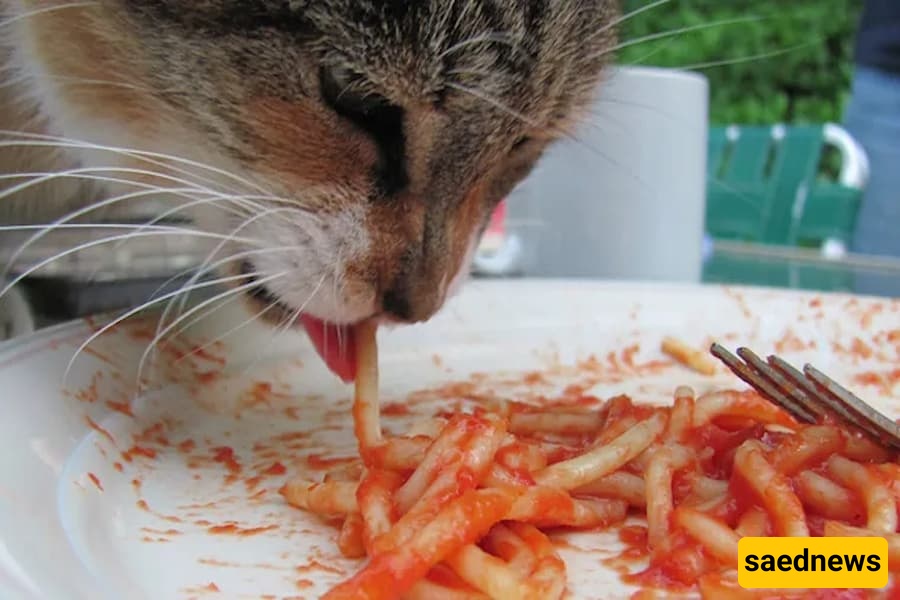
Pasta with Sauce or Seasoning: Any type of sauce, salt, garlic, onion, or spice can be highly harmful and sometimes even toxic to a cat. Therefore, all types of sauced and flavored pasta must be completely eliminated from their diet.
Grain-Free Pasta: Contrary to popular belief, gluten-free pasta is not a healthier option for cats and does not offer any particular nutritional or digestive advantage over regular pasta.
How to Prepare Cat Food with Pasta
Below, we explain how to prepare pasta for a cat; but first, you need to prepare the following ingredients:
Ingredients | Quantity |
Cooked Pasta | 50 grams |
Ground Beef | 100 grams |
Cooked Zucchini or Carrot | 1 tablespoon |
Preparation Instructions:
Boil the pasta in unsalted boiling water until completely soft; then drain and let it cool slightly.
Cook the ground beef over low heat with a little water, without oil, salt, or spices, until it is fully cooked through.
After cooking, break the meat into very small pieces to make it easier for the cat to eat.
Steam the zucchini or carrot and chop or mash it.
Mix the cooked pasta, chopped beef, and zucchini or carrot in a bowl until well combined.
If the food is too dry, add a little unsalted meat broth to soften the texture.
Several foods, combined with pasta, can supplement a cat’s nutrition. We mention some of these below.
Cooked Lean, Boneless Meat: Cooked chicken, turkey, or lean, boneless beef can be mixed with pasta. Meat supplies the essential animal protein cats need and is vital for muscle and kidney health.
Cooked Boneless Fish: Fish like salmon (cooked and boneless) can be a good source of protein and Omega-3 fatty acids. In the article “Is Canned Tuna Good or Bad for Cats,” we fully explain how to feed tuna to a cat.
Cooked, Soft Vegetables: Zucchini, carrots, or mashed vegetables can be given to the cat alongside pasta. These should not replace protein; they are only suitable for variety and limited fiber. If you want to know the list of useful fruits and vegetables for cats.
Boiled or Steamed Eggs: Cooked eggs without salt can supply the protein for the meal. Therefore, in the recipe for preparing cat food with pasta, you can also consider eggs as a required ingredient.
Unsalted Chicken or Meat Broth: To soften the pasta and enhance the flavor of the cat’s food, you can add a little unsalted chicken or meat broth.
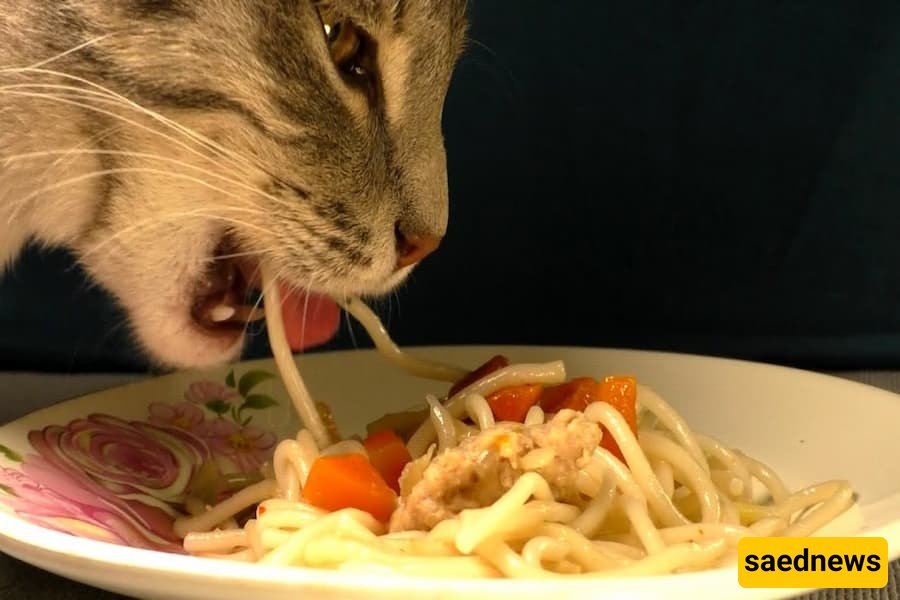
Pasta is only suitable as a supplementary treat for cats because their main nutritional needs are met by animal protein, and pasta does not have high nutritional value. The best recommended amount for giving pasta to a cat is once or twice a week.
Even if the pasta is plain and cooked, excessive consumption can lead to excess calories and digestive issues. Also, the portion size must be small, as a large amount of pasta may cause weight gain or bloating. Ultimately, pasta should not replace the cat’s main food and is only suitable for dietary variety. In the “Forbidden Foods for Cats” blog, we have fully listed the harmful foods for this beloved pet.
If you are looking for a simple and healthy way to diversify your cat’s meals, learning how to prepare cat food with pasta can be a suitable option. When cooked in a simple, unseasoned form, pasta can be used as a treat for the cat. If you also consider the appropriate consumption amount and its combination with other nutrients, you can prepare a healthy meal for your cat.
Yes; but it must be in very small amounts and in a soft, cooked form. The main diet for kittens should always consist of specialized growth food and animal protein.
No; any kind of sauce, cheese, spice, or seasoning can be harmful to the cat and cause digestive problems or poisoning.
You can add a little soft, cooked vegetable like zucchini or carrot; but these ingredients are only for variety and limited fiber and should not replace animal protein.
Cat food should be consumed quickly and not stored in the refrigerator for more than one meal, as cats are sensitive to stale food, and spoiled food can cause digestive problems.