SAEDNEWS: Understanding Stubbornness Between Spouses: Causes and Ways to Overcome It
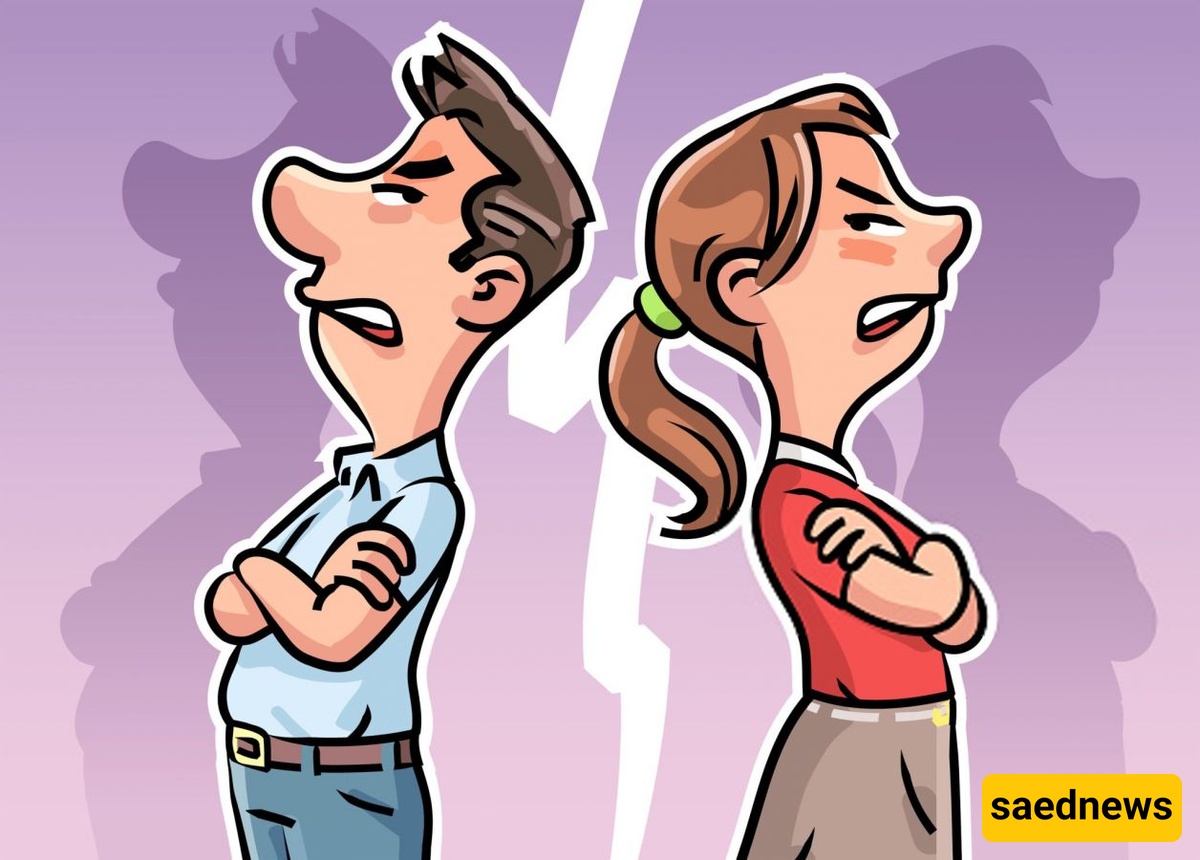
Stubbornness is one of the most common yet emotionally exhausting patterns of conflict in marriage. When one partner rigidly insists on their own wishes, opinions, or positions, the other may feel unheard, pressured, or as though their place in the relationship is being threatened.
However, stubbornness between spouses does not always indicate ill intentions, disrespect, or a desire to hurt the other person. In many cases, it reflects an unmet emotional need, a lack of security, poor communication skills, or a defensive reaction to feeling controlled.
Understanding the reasons behind stubborn behavior in marriage can help couples reduce tension, develop greater empathy, and find practical ways to resolve disagreements.
This article explores the meaning and common signs of stubbornness in marriage, its psychological, interpersonal, and cultural causes, and effective strategies for managing and reducing it.

Stubbornness in marriage can be defined as an unwillingness to reconsider a particular desire, belief, or behavior, even when maintaining that position negatively affects the emotional well-being and quality of the relationship.
It is important to distinguish stubbornness from healthy assertiveness.
Assertiveness involves expressing personal needs and boundaries clearly and respectfully. Stubbornness, on the other hand, is often characterized by inflexibility, automatic opposition, disregard for a partner's perspective, and an excessive desire to win an argument.
Common signs of stubbornness between spouses include:
Insisting on a particular position without listening to the other partner's reasoning.
Automatically rejecting a spouse's suggestions without considering them.
Using silent treatment or withdrawing communication as a means of pressure.
Making excuses to avoid shared responsibilities.
Comparing a spouse with other people to prove oneself right.
Refusing to change behavior even after recognizing its negative consequences.
Viewing compromise as a sign of weakness or defeat.
Recognizing these behaviors allows couples to focus on the underlying causes rather than labeling or blaming each other.
Stubbornness between spouses rarely has a single cause. It usually develops through a combination of personal, relational, and environmental factors.
Sometimes, stubbornness serves as a way of expressing deeper emotional needs.
A spouse who feels neglected or overlooked may become stubborn in an attempt to gain their partner's attention. Similarly, someone who feels emotionally insecure may become inflexible as a way of maintaining control over their circumstances.
In these situations, stubbornness may communicate an underlying message:
"I need to be seen, taken seriously, and treated with respect."
When one partner feels that the other is making decisions on their behalf, they may respond with stubbornness as a way of reclaiming their independence.
Even when a partner's request is reasonable, the way it is communicated or imposed can create resistance.
In many marital disagreements, the real problem is not necessarily the decision itself but the decision-making process and the feeling of being ignored or excluded.

Some stubborn behaviors in adulthood originate from childhood family experiences.
Individuals who grew up in families where arguing, withdrawing communication, giving the silent treatment, or insisting on one's demands were common ways of handling disagreements may unconsciously repeat these patterns in their marriages.
If stubbornness was the only way someone learned to receive attention or maintain their position within their family, they may be more likely to use the same behavior in adulthood.
Many spouses struggle to express their needs without becoming aggressive, defensive, or overly demanding.
When constructive communication skills are lacking, stubbornness can become an ineffective way of expressing personal expectations and frustrations.
As a result, couples may become trapped in a recurring cycle of accusations, defensiveness, insistence, and emotional distance rather than working together to resolve their problems.
Persistent stubbornness may sometimes be the result of years of unresolved emotional hurt.
When couples repeatedly ignore minor disagreements or fail to address problems constructively, resentment can gradually accumulate.
Eventually, even small disagreements may become opportunities to settle old scores. A stubborn spouse may repeatedly bring up past mistakes to justify their position or prove that they are right.

External pressures, including financial difficulties, work responsibilities, chronic fatigue, and insufficient sleep, can reduce emotional tolerance.
Under these circumstances, individuals may become less flexible and more likely to react defensively.
Sometimes, stubbornness in marriage is not necessarily a sign of a deep relationship problem but rather an indication of stress, exhaustion, and emotional burnout.
Some individuals naturally have a stronger need for structure, control, or independence. These characteristics are not necessarily problematic on their own, but when combined with poor communication skills, they may contribute to stubborn behavior.
Insecure attachment patterns can also play a role. Fear of abandonment, rejection, or emotional intimacy may lead individuals to develop defensive and inflexible behaviors as a way of protecting themselves.
Certain cultural beliefs associate stubbornness with one gender more than another. However, stubbornness is not exclusive to men or women. It is influenced by relationship dynamics, communication styles, and individual life experiences.
Unrealistic expectations, such as believing that one partner must always have the final say or that compromising means showing weakness, can intensify stubborn behavior.
In some cases, severe and persistent stubbornness may be associated with anxiety, depression, personality disorders, or traumatic experiences.
In these situations, blaming or labeling a partner is unlikely to help. Professional assessment and psychological support may provide a more constructive path forward.
In many relationships, stubbornness develops within ongoing power struggles.
When spouses approach disagreements as situations in which there must be a winner and a loser, compromise can feel like defeat.
Instead of focusing on resolving the problem, both partners may become preoccupied with proving that they are right.
This dynamic intensifies stubbornness because the purpose of communication gradually shifts away from mutual understanding toward protecting one's position and avoiding emotional defeat.

Persistent stubbornness can have serious consequences for a relationship, including:
Reduced trust between partners.
Gradual deterioration of emotional intimacy.
Increased tension and recurring arguments.
Poor decision-making and difficulty resolving shared problems.
Reduced marital satisfaction.
Negative behavioral patterns being passed on to children.
Children who regularly witness unresolved parental conflicts may learn that insisting on their demands or withdrawing communication are acceptable ways to handle disagreements.
Over time, persistent stubbornness can create emotional distance and weaken the overall stability of a marriage.
Reducing stubbornness requires patience, mutual understanding, and a willingness to change unhealthy communication patterns.
The following strategies can help couples manage disagreements more effectively.
The first step is to ask:
"What need is this behavior trying to fulfill?"
Sometimes, an apparent insistence on getting one's way hides a deeper need for respect, attention, emotional security, or independence.
Once the underlying need is identified, couples can move beyond arguing about demands and begin addressing the actual source of the conflict.
Instead of making accusations such as:
"You are always stubborn."
Try expressing your feelings without attacking your partner:
"I feel upset when we cannot discuss this issue calmly."
This approach reduces defensiveness and makes it easier for both partners to participate in a productive conversation.
One of the most effective ways to reduce stubbornness is through active listening.
Active listening means making a genuine effort to understand your partner's perspective before responding, defending yourself, or expressing disagreement.
For example, you might say:
"If I understand you correctly, you feel overlooked in this decision."
Statements like this can help create a calmer and more supportive atmosphere.
Validating your partner's feelings does not mean agreeing with every request or accepting every opinion. It simply means acknowledging that their emotions deserve to be taken seriously.
When spouses feel heard and understood, they may feel less need to insist on their position or become defensive.

Attacking a partner's character is one of the factors that can intensify stubbornness during marital disagreements.
Statements such as "You are never reasonable" or "You have always been selfish" can trigger defensiveness and increase resistance.
Instead, focus on the specific issue.
For example, say:
"We disagree about our weekend plans."
Rather than:
"You never care about me."
Focusing on the problem rather than the person's character increases the likelihood of finding a mutually acceptable solution.
Many arguments begin when one or both partners are tired, hungry, stressed, or distracted.
These circumstances make it harder to communicate calmly and can quickly turn a disagreement into a power struggle.
Choosing a suitable time to discuss sensitive issues is an important relationship skill.
If a conversation reaches a dead end, one partner can respectfully suggest:
"Let's pause this discussion for now and continue tomorrow when we are both calmer."
Taking a break does not mean avoiding the problem. It means managing emotions before continuing the conversation.
Stubbornness often increases when couples approach disagreements as competitions in which one person must win and the other must lose.
A win-win approach allows both partners to preserve some of their priorities while also considering each other's needs.
For example, instead of insisting that everything must happen according to one person's preferences, couples can discuss their priorities and negotiate a compromise.
Practicing statements such as "This is important to me. What matters most to you?" can encourage cooperation rather than competition.
Being flexible does not mean surrendering your needs or accepting unacceptable behavior.
Spouses can communicate their boundaries clearly without becoming aggressive.
For example, if stubbornness develops into insults, punitive silence, or unilateral decision-making, the other partner can calmly say:
"I am willing to discuss this issue, but I cannot continue the conversation if we insult each other or use silence as punishment."
Respectful boundaries help prevent unhealthy conflict patterns from escalating.

Sometimes, stubbornness is a reflection of psychological pressure, fatigue, or external difficulties.
Identifying these factors and reducing manageable sources of stress can improve emotional tolerance.
Practical steps include:
Maintaining a healthier sleep routine.
Sharing household and family responsibilities more fairly.
Reducing unnecessary sources of stress.
Setting aside peaceful time for meaningful conversations.
Making time for emotional connection and relaxation.
If stubbornness occurs alongside symptoms of depression, severe anxiety, or unresolved traumatic experiences, seeking help from a psychologist or family counselor may be beneficial.
When stubbornness becomes a persistent relationship pattern and conversations repeatedly reach a dead end, couples counseling can be helpful.
A qualified counselor can help partners identify unhealthy communication patterns, accumulated resentment, and unmet emotional needs while teaching practical conflict-resolution skills.
Seeking professional support does not mean that a marriage has failed. Rather, it can be an investment in improving the relationship and building a healthier future together.
Stubbornness in marriage is rarely just a simple behavioral issue. It may reflect unmet emotional needs, feelings of being controlled, poor communication skills, accumulated resentment, or ongoing psychological stress.
Labeling a partner as "stubborn" and placing all the blame on them often makes the situation worse by encouraging defensiveness and resistance.
A more constructive approach is to understand the needs behind the behavior, improve communication, and work together to find solutions that respect both partners.
The key to reducing stubbornness in marriage lies in a combination of empathy, active listening, respectful boundaries, emotional flexibility, and professional support when necessary.
A healthy marriage is not one in which disagreements never occur. It is one in which differences are managed through mutual respect, understanding, and cooperation.