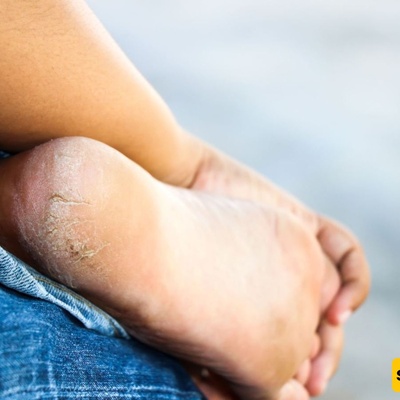
SAEDNEWS: The main reason why the skin on our feet—and the body in general—becomes more prone to cracking during winter is a combination of environmental changes and physiological changes within the body.
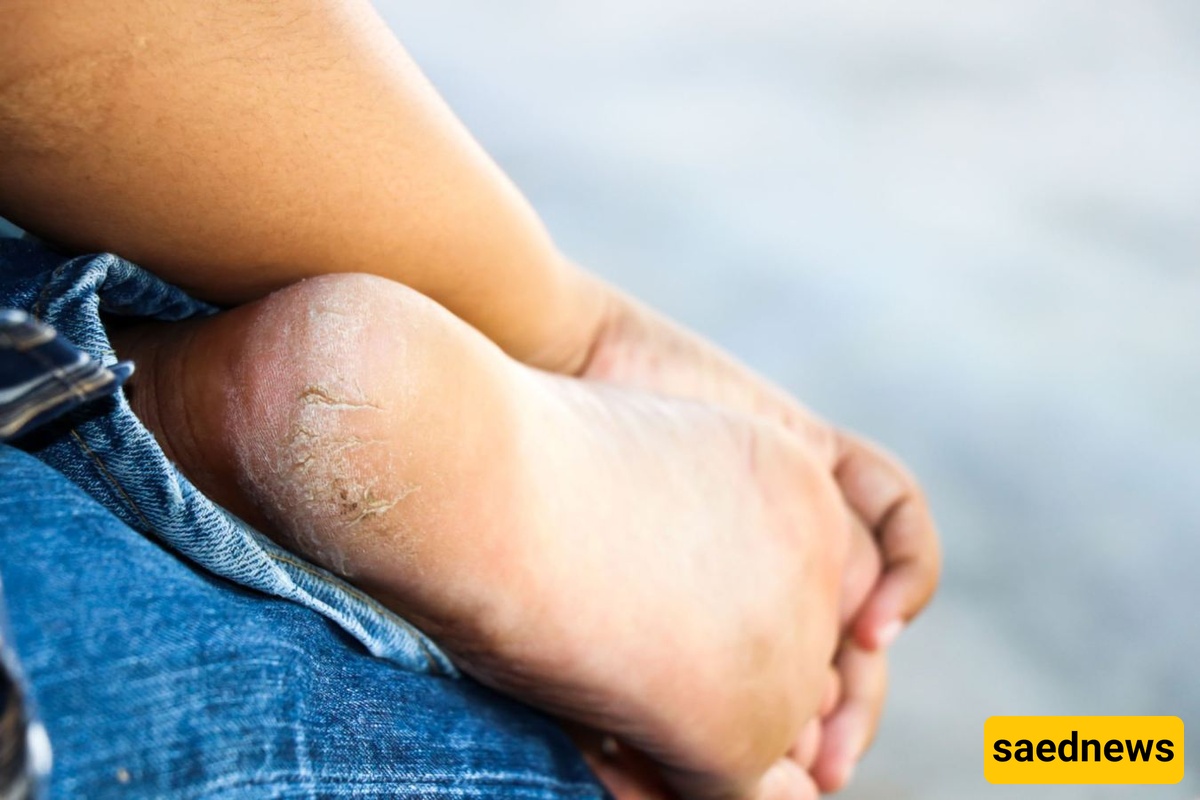
According to Saednews, As temperatures drop, the number of people experiencing dry, rough, and cracked skin on their feet increases noticeably. Cracked heels are among the most common skin problems during the colder months. Although they may initially seem like a minor issue, they can lead to pain while walking, bleeding, and even infection. The key question is: Why does this condition become more common in cold weather?
The answer cannot be attributed to a single factor. A combination of environmental, physiological, and lifestyle changes causes the thick skin around the heels to lose its flexibility and crack under the pressure of body weight. Low humidity, dry indoor air, hot showers, unsuitable footwear, and certain underlying medical conditions can all contribute to the problem.
The skin on the soles of the feet and heels has the thickest outermost layer, known as the stratum corneum. This thickness is essential for تحملing body weight and the friction caused by walking. However, it also makes the skin more vulnerable to dryness.
When the thick outer layer loses moisture, it becomes hard and brittle. Repeated bending and stretching of the skin while walking can then cause it to crack.
Another important factor is that, unlike the face or the backs of the hands, the heels have very few active oil glands. Natural skin oils help protect the skin and retain moisture. Since this protective barrier is weaker around the heels, the area is more susceptible to dryness.
Additionally, constant pressure from body weight and friction from footwear create ideal conditions for heel fissures, also known as heel cracks.
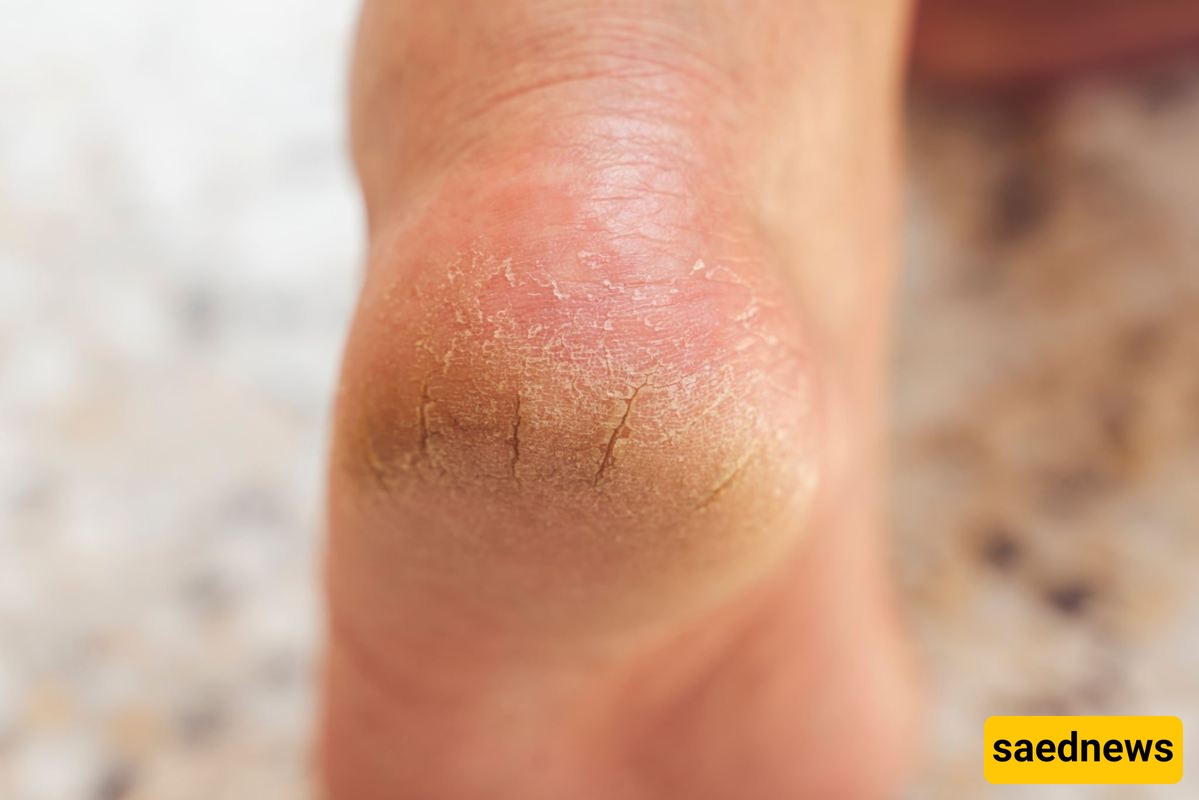
Heel cracks generally fall into two categories:
Superficial cracks: These affect only the outermost layer of skin and are usually associated with dryness and roughness.
Deep cracks: These extend into the underlying skin layers and may cause pain, bleeding, and provide an entry point for bacteria.
According to reputable dermatological sources, including the American Academy of Dermatology and Mayo Clinic, deep heel cracks deserve particular attention, especially in people with diabetes or circulation problems.
One of the main reasons feet crack more frequently in winter is the decrease in relative humidity.
Cold air holds less water vapor than warm air. As a result, humidity levels are generally lower during winter, even on cloudy days. This dry air causes moisture in the outer layers of the skin to evaporate more quickly.
In dermatology, the amount of water that passes from the skin into the surrounding air is known as transepidermal water loss (TEWL).
Studies published in dermatological journals have shown that the skin's protective barrier undergoes changes during colder seasons, resulting in increased water loss.
The practical consequence is straightforward: Foot skin loses more moisture in winter, and if that moisture is not replenished, cracks can develop.
Cold weather does more than cause discomfort; it also affects the skin's physiology.
At low temperatures, the superficial blood vessels constrict to help the body retain heat. This natural response reduces blood circulation to the skin of the feet, particularly in areas farther from the center of the body, such as the heels and toes.
Reduced blood flow means less oxygen and fewer nutrients reach the skin. Consequently, the skin's ability to repair itself decreases, and minor cracks may take longer to heal.
Cold temperatures may also reduce the production of protective surface lipids, making the outer skin layer less flexible.
Together, these changes explain why foot skin becomes both drier and slower to heal during winter.
Many people assume that dry foot skin is caused only by spending time outdoors. In reality, much of the problem develops indoors.
Heating systems, including heaters, central heating, and radiators, reduce indoor humidity. Spending long hours in rooms with dry air gradually causes the skin to lose moisture.
This can be particularly problematic for the feet because they are usually enclosed in socks and shoes, limiting air circulation.
Using a humidifier, briefly ventilating indoor spaces, and maintaining balanced indoor humidity are common dermatological recommendations that may help reduce skin dryness.
During cold weather, people are more likely to take longer showers with hot water.
Although this habit may feel relaxing, it can be harmful to the skin of the feet. Hot water dissolves the skin's natural protective oils more effectively, weakening its protective barrier.
As a result, the skin may feel tight and rough after drying.
Fragranced soaps, harsh cleansers, and rough washcloths can make the problem worse.
Skin-care guidelines generally recommend:
Using lukewarm rather than hot water.
Keeping showers relatively short.
Choosing mild cleansers.
Applying moisturizer while the skin is still slightly damp.
The last step is particularly important because moisturizing slightly damp skin helps retain moisture more effectively.
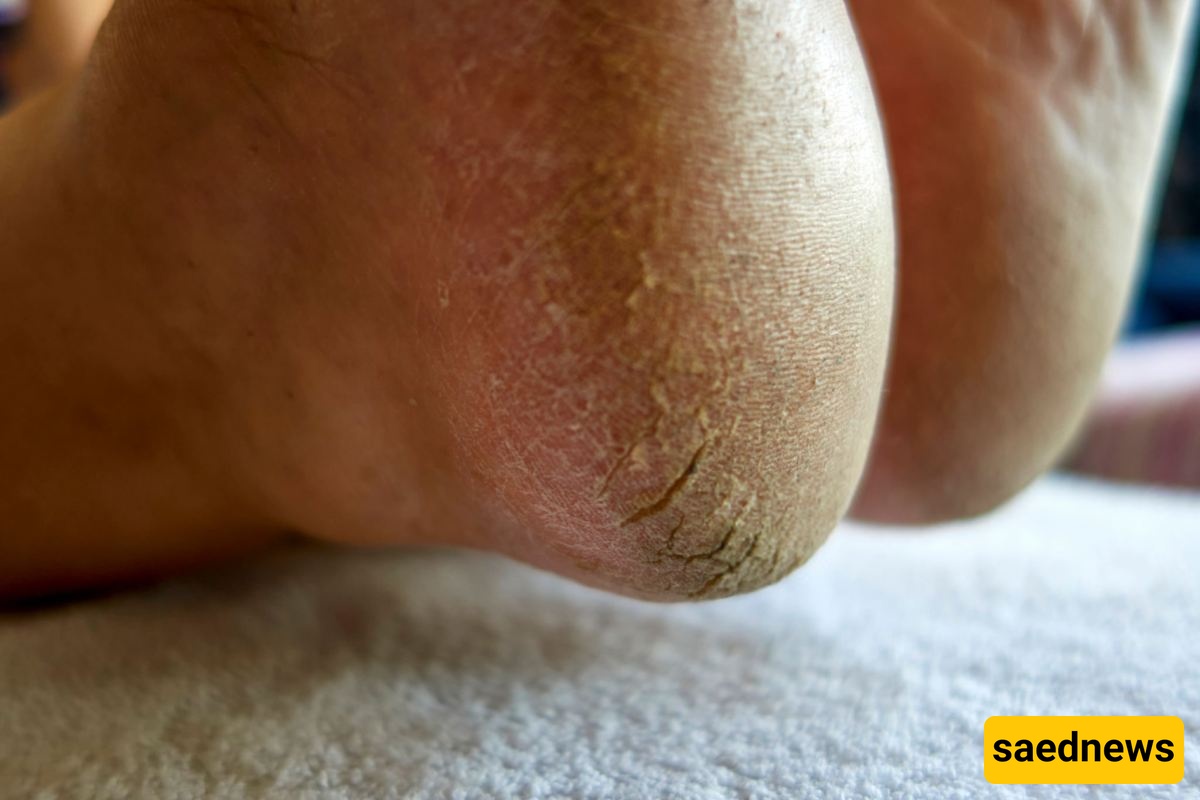
Sweating naturally decreases during colder months. Reduced sweating on the soles of the feet means less moisture remains on the skin's surface.
At the same time, the activity of oil-producing glands may also be affected by cold temperatures and dry air.
Together, these changes leave foot skin with less moisture and make it harder for the skin to retain whatever moisture it receives.
Interestingly, some people try to compensate for dryness by washing their feet too frequently. However, excessive washing can remove the remaining natural oils and worsen the cycle of dryness.
Reducing unnecessary washing and avoiding harsh cleansers are important steps toward breaking this cycle.
Footwear habits often change during winter, but these changes are not always beneficial for skin health.
Thick socks made from synthetic materials may increase sweating without effectively drawing moisture away from the skin. The buildup of moisture and localized heat can make the skin softer but also more vulnerable to damage and friction from footwear.
Winter shoes are often heavier, more enclosed, and sometimes tighter than regular footwear.
Tight shoes place continuous pressure on the heels, increasing the likelihood of skin cracking. Shoes with insufficient cushioning or rigid heel sections can have a similar effect.
Foot-care specialists generally recommend choosing shoes that provide:
Adequate space around the toes and heels.
Proper cushioning and heel support.
Socks made from natural or moisture-managing fibers.
Some of the increase in cracked heels during winter can be attributed to everyday habits.
Frequent use of pumice stones or rough foot files, excessive removal of the outer skin layer, and neglecting moisturizers are three common mistakes.
Some people believe that scrubbing the heels more aggressively will make cracks disappear faster. In reality, excessive friction irritates the skin and damages its protective outer layer.
This can leave the skin even drier and more sensitive.
Walking barefoot on cold or rough floors can also expose the heels to additional friction and dryness.
Wearing slippers or socks indoors, particularly on cold floors, is a simple and effective preventive measure.
Failing to apply moisturizer after washing is another common reason for persistent foot dryness during winter.
People often feel less thirsty during winter and may consequently drink less water.
Mild, chronic dehydration can affect the skin's ability to retain moisture and contribute to dryness.
Drinking sufficient water throughout the year is one of the basic principles of maintaining healthy skin.
Nutrition also plays an important role. Inadequate intake of essential fatty acids, vitamins A, C, and E, and sufficient protein may affect the quality of the skin's protective barrier.
However, no single food can solve the problem on its own. A balanced diet is what supports long-term skin health.
As people age, their skin may become less thick and flexible, while oil gland activity decreases.
This makes older adults more susceptible to cracked heels.
Diabetes is another major underlying risk factor. Diabetic neuropathy can reduce sensation in the feet, meaning that people may not notice deep cracks or injuries until they become more serious.
Poor circulation associated with diabetes can also slow the healing process.
Other conditions that may contribute to or worsen cracked heels include:
Hypothyroidism.
Eczema.
Psoriasis.
Athlete's foot (fungal infection).
Certain nutritional deficiencies.
In these cases, treating cracked heels without addressing the underlying condition may not provide lasting results.
Choosing unsuitable skin-care products can make foot dryness worse.
Lightweight lotions may not provide sufficient moisture for thick, cracked heels. This area generally requires richer creams or ointments.
Products containing high concentrations of alcohol or fragrance may irritate the skin.
By contrast, products containing the following ingredients can help retain moisture:
Urea: Helps soften thickened skin and improve hydration.
Glycerin: Attracts and retains moisture.
Ceramides: Help restore the skin's protective barrier.
Petroleum jelly (Vaseline): Helps prevent moisture loss.
People with sensitive skin or deep heel cracks should choose products carefully and seek medical advice when necessary.
Superficial heel cracks are usually associated with dryness and roughness and often improve with proper home care.
However, more severe cases may involve symptoms such as:
Pain while walking.
Burning or stinging sensations.
Bleeding.
Redness.
Swelling.
Discharge.
Unpleasant odor.
These symptoms may indicate infection or inflammation and should be medically evaluated.
People with diabetes, vascular disorders, weakened immune systems, or chronic skin conditions should seek medical attention promptly if they notice deep heel cracks.
For people with diabetes, even a small crack can potentially develop into a foot ulcer if left untreated.
Main takeaway: Winter-related heel cracking is not simply the result of cold temperatures. Low humidity, indoor heating, hot showers, reduced natural skin oils, unsuitable footwear, and underlying health conditions can all contribute. Understanding these factors is essential for preventing painful cracks and maintaining healthy feet throughout the colder months.