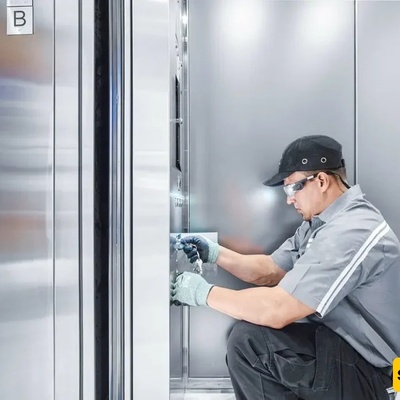
SAEDNEWS: As you know, an elevator is a means of transporting people between floors of a building, eliminating the need to climb stairs. But what exactly causes elevators to shake or vibrate?
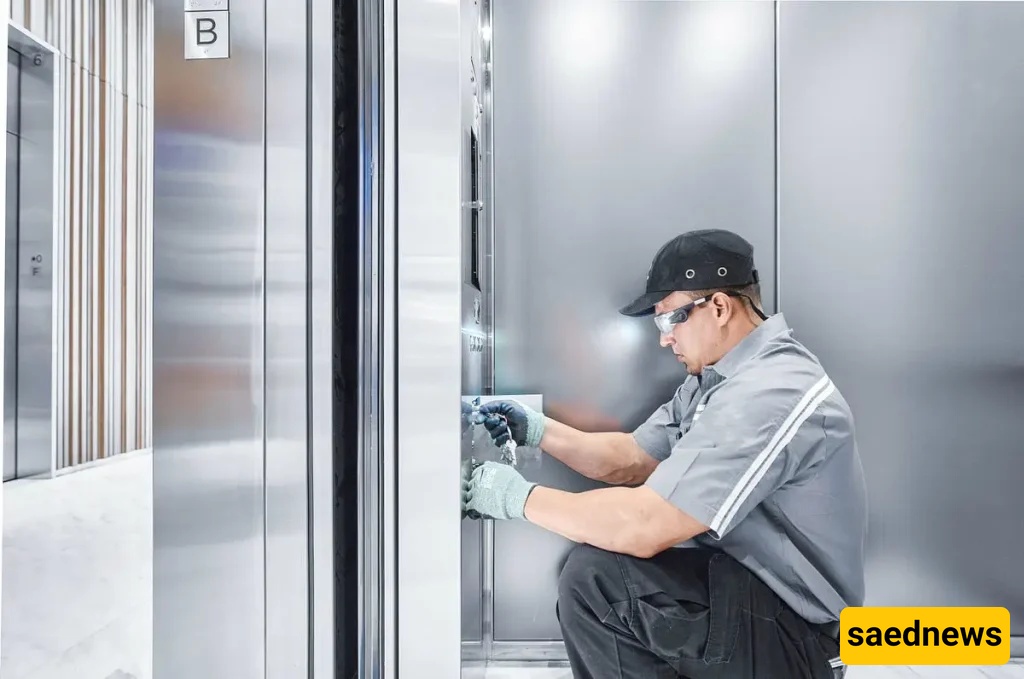
According to Saednews, When examining the causes of elevator vibration more closely, several common factors come to mind. Elevator vibrations can be a double-edged issue: if identified and addressed promptly, they can often be resolved easily. However, ignoring these problems or delaying maintenance may lead to more serious complications.
If you frequently use different elevators or have been using the elevator in your home or workplace for a long time, you have probably experienced elevator cabin vibration at least once.
But what causes an elevator cabin to vibrate?
In many cases, incorrectly sized or improperly installed elevator guide rails can cause noise and vibration, particularly on the upper floors. Improper elevator installation should also not be overlooked. Like other equipment used regularly, elevators require periodic inspection and maintenance to prevent malfunctions. In some cases, cabin vibration is accompanied by noise, disturbing occupants on both lower and upper floors.
Elevator vibration is generally caused by either mechanical or electrical problems. According to the figures presented in the source article, approximately 80% of elevator vibrations are associated with mechanical issues, while only 10% are linked to electrical malfunctions. Of the mechanical issues, around 60% are attributed to inadequate maintenance, while the remaining 40% are equally divided between component damage and poor installation quality.
The main causes of elevator cabin vibration can be summarized as follows:
Improper installation of elevator guide rails
Incorrect cabin installation
Use of low-quality materials in elevator cabin construction
Incompatible elevator cabins and guide rails
Failure to maintain the standard clearance between guide rails and guide shoes
One of the main causes of elevator cabin vibration is incorrect installation of the guide rails and elevator cabin. Improper rail alignment, inaccurate vertical positioning, and excessive spacing between two guide rails can all contribute to cabin vibration.
Conversely, insufficient spacing between the rails may also cause the elevator cabin to shake. These issues should be inspected and corrected by qualified elevator installation specialists.
Factors that may result in improper guide rail installation include:
Inaccurate measurements and templates
Insufficient precision during installation
Deformation of the mold during the manufacturing process
Temperature fluctuations
When an elevator is installed correctly and in accordance with technical standards, problems such as excessive noise and cabin vibration can be avoided.
Proper installation, compliance with technical requirements, and the use of suitable equipment are essential factors in ensuring smooth and quiet elevator operation.
The quality and thickness of elevator cabin materials also affect vibration and noise levels.
Elevator cabins with thin walls tend to transmit sound more easily than those made with thicker materials. Their reduced thickness can also make vibrations more noticeable inside the cabin.
Therefore, selecting an elevator cabin manufactured from suitable, standard-quality materials is important for reducing noise and vibration.
Another common cause of elevator cabin vibration is improper clearance between the guide rails.
If the distance between the rails is either too wide or too narrow, the cabin may not move smoothly. Similarly, a lack of proper alignment between the cabin and guide rails can result in excessive noise and vibration during operation.
Maintaining the correct clearance between elevator guide rails and guide shoes is essential for stable cabin movement.
If this clearance does not meet the required specifications, the cabin may not remain properly aligned during operation, resulting in vibration and noise.
Excessive clearance can cause the elevator cabin to move horizontally within the shaft, leading to instability and uncomfortable movement.
Elevator cabin vibration can occur for several different reasons. One common distinction is between vertical and horizontal vibrations, each of which may have different underlying causes.
Some of the most significant factors include:
Problems with the traction sheave and deflector pulley
Elevator motor malfunctions
Drive system problems
Damaged elevator wire ropes
Improper balancing between the deflector pulley and traction system
Identifying the exact source of vibration is essential for determining the appropriate repair and maintenance procedures.
In many cases, banging noises and elevator cabin vibration are caused by improperly adjusted elevator doors.
If the doors are not properly aligned or installed, the moving cabin may come into contact with their edges during operation. This can produce noticeable banging sounds and vibrations.
Another possible cause is the accumulation of dirt and dust on the guide rails and guide shoes. Contamination can interfere with smooth movement and contribute to unwanted noise and vibration.
Damaged or worn guide shoes can also produce similar problems. Proper installation, regular cleaning, and timely replacement of worn components can help prevent these issues.
To ensure quiet and smooth elevator operation, several important considerations should be taken into account during elevator selection, installation, and maintenance.
The following measures can help prevent or reduce elevator vibration:
Choose the right elevator size: Consider the available space and dimensions of the elevator shaft. Avoid installing an elevator that is too small for a large space or too large for a restricted area.
Schedule regular maintenance: Have the elevator inspected and serviced at appropriate intervals to identify potential problems before they become serious.
Lubricate the guide rails: Ensure that the guide rails are lubricated regularly using suitable products and according to technical requirements.
Use an appropriate control system: A single-speed controller may help reduce certain types of elevator noise and vibration, particularly on upper floors, depending on the system design.
Use standard-quality cabin walls: Choose durable materials with suitable thickness and construction standards to minimize noise transmission and vibration.
Cleaning elevator guide rails and removing scratches, rust, dust, and accumulated dirt are important maintenance activities.
Various tools can be used for this purpose, including specialized rail files. An elevator rail file is designed to remove rust, dust, and surface contaminants from guide rails.
After filing and cleaning, the rails should be lubricated with suitable lubricants to help ensure smooth and reliable elevator movement.
Elevator cabin vibration is usually associated with mechanical problems, improper installation, inadequate maintenance, damaged components, or incorrect alignment between the guide rails and cabin.
Issues involving guide rail spacing, guide shoes, elevator doors, motors, wire ropes, and pulley systems can all affect elevator performance.
Regular inspections, professional installation, appropriate lubrication, and the timely replacement of damaged components are essential for reducing vibration, preventing unexpected breakdowns, and ensuring a safer and more comfortable elevator experience.
Source: Bimeh Magazine
Add a safety warning for readersReplace repeated technical explanationsUse one term for rail components