SAEDNEWS: Explore creative TV placement ideas for your bedroom to create a stylish, organized, and functional space that feels calm and inviting. Keep reading for inspiration!
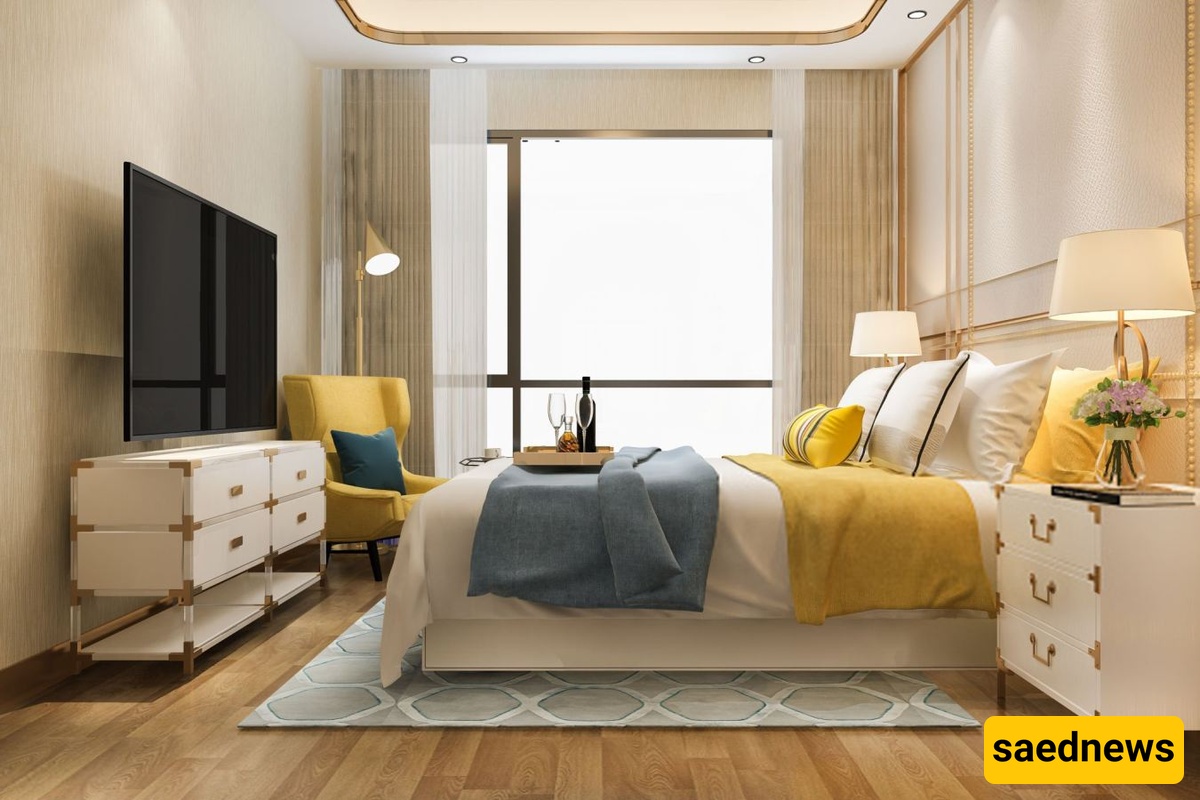
According to Saednews, A bedroom is a personal sanctuary designed for rest, relaxation, and recharging. However, in many modern homes, a television has become a common feature of the bedroom, providing entertainment through movies, news, and leisure viewing before bedtime.
Adding a TV to your bedroom involves more than simply choosing an empty corner. You also need to consider the ideal viewing height, viewing distance, lighting, safety, visual appeal, and how well the television complements the overall interior design.
Poor TV placement can make a bedroom feel cluttered, uncomfortable, or even contribute to physical discomfort. On the other hand, a well-planned TV arrangement can create a functional, organized, and relaxing environment.
In this article, we explore practical and stylish bedroom TV placement ideas to help you choose the best solution based on your room size, decorating style, and personal needs.
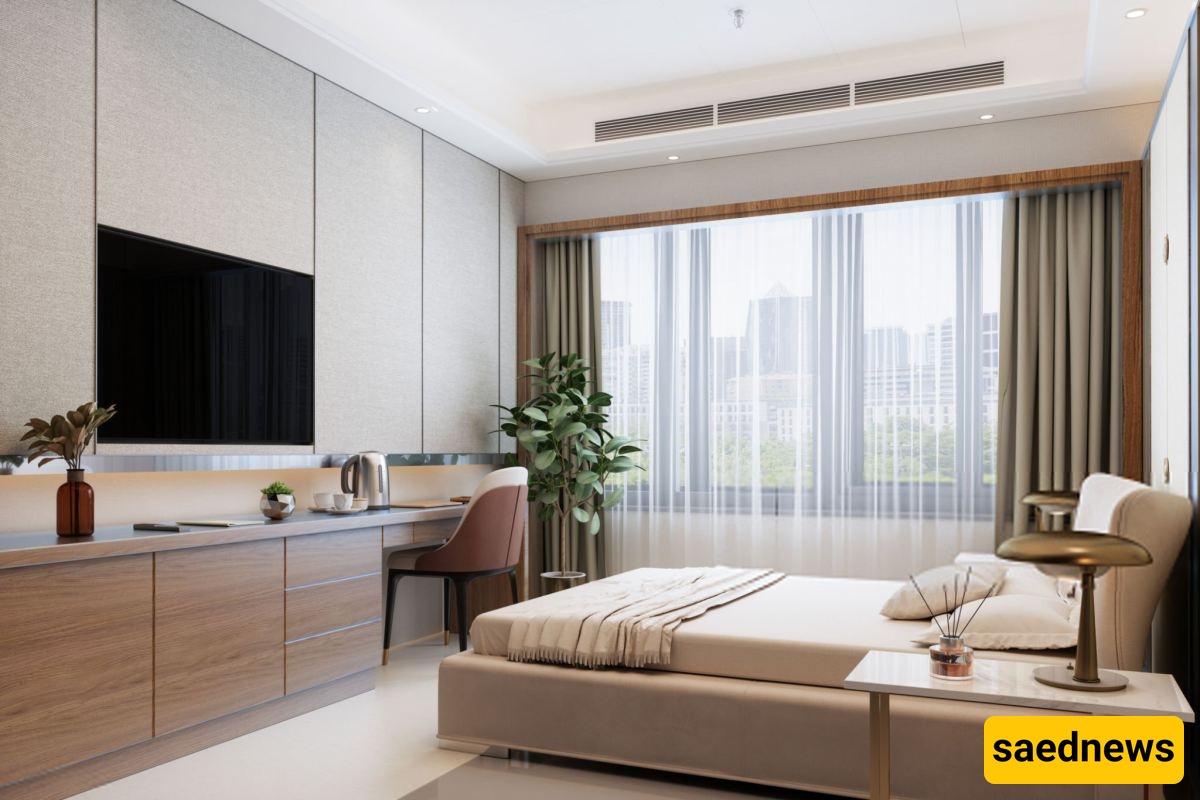
One of the most popular and practical ways to position a television in the bedroom is to mount it on the wall directly opposite the bed. This arrangement provides a comfortable, straight viewing angle while lying down.
To minimize eye strain, position the TV so that its center is slightly below eye level when sitting or lying in your usual viewing position. A fixed wall mount or adjustable arm can also help free up valuable floor and furniture space.
If there is not enough room on the wall opposite the bed, consider mounting the TV on an adjacent wall. However, make sure the viewing angle does not require excessive neck movement.
If wall mounting is not possible or you prefer not to drill into the walls, a low TV console or dedicated stand is an excellent alternative. This arrangement works particularly well in small bedrooms and rental properties.
Choose a stable console that is appropriately sized for your television. A unit with drawers or shelves can also provide convenient storage for accessories such as streaming devices, gaming consoles, receivers, and cables.
One of the most visually appealing bedroom TV design ideas is to create a feature wall or decorative panel behind the screen. Materials such as wood, contrasting paint, wallpaper, or concealed LED lighting can help transform the TV area into an attractive design feature.
A feature wall makes the television feel like an intentional part of the interior rather than just another electronic device.
In larger bedrooms, you can enhance the design with open shelving, artwork, or mirrors. However, avoid excessive decoration around the screen, as too many visual elements can make the space feel busy.
For modern and minimalist bedrooms, concealing the television is a smart design solution. You can install it inside a built-in cabinet, behind sliding doors, or within a specially designed mirror system.
This approach allows the bedroom to maintain a calm, uncluttered appearance when the television is not in use.
Some custom TV cabinets feature doors that open during viewing and close afterward. This is particularly useful if you want the television to have minimal visual impact on your bedroom decor.
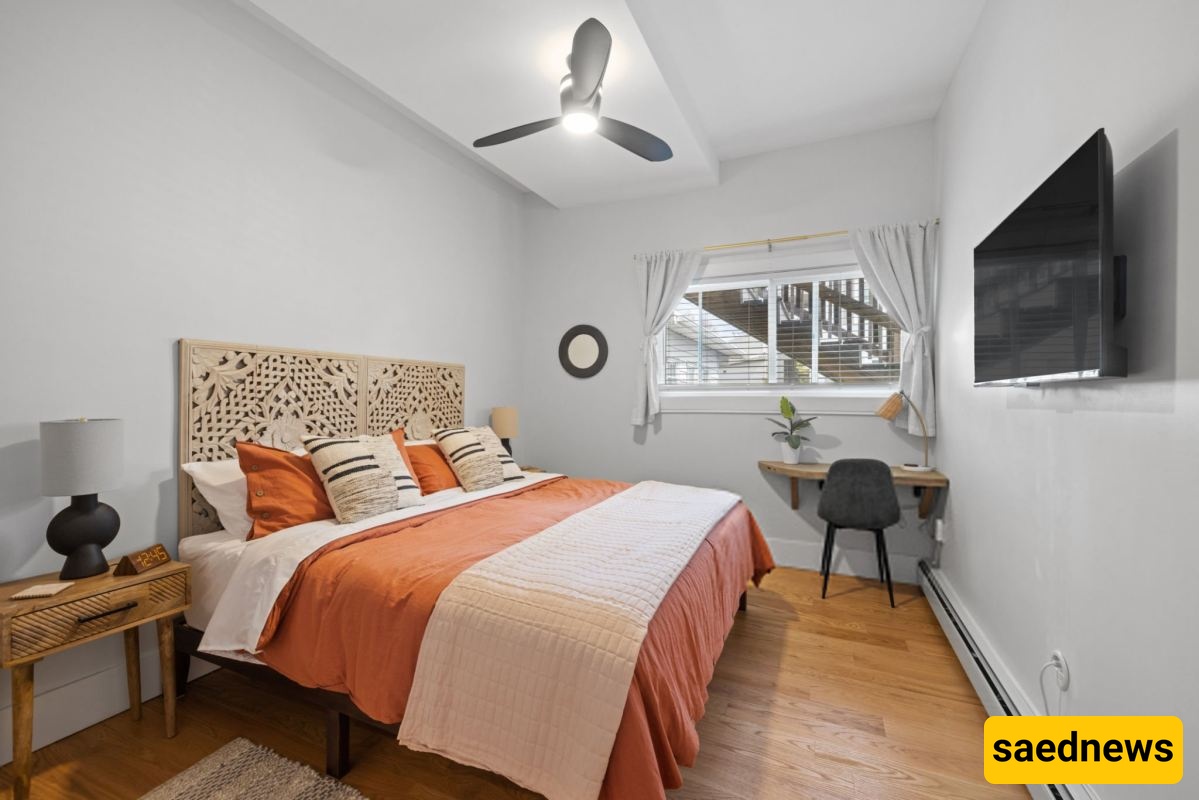
For small bedrooms with limited wall space, an adjustable TV bracket or ceiling mount can provide a practical solution.
An adjustable arm allows you to position the screen toward the bed and fold it closer to the wall when it is not needed.
Ceiling-mounted televisions are another option, particularly when the walls surrounding the bed are already occupied. However, ceiling installation should always be carried out by a qualified professional to ensure proper structural support and safety.
If your bedroom has a rectangular layout or an unused corner, placing the television there can help preserve valuable central floor space.
A corner TV stand or angled wall bracket can make this arrangement more practical while directing the screen toward the bed.
The most important consideration is maintaining a comfortable viewing angle and appropriate distance. Corner placement is particularly useful in compact bedrooms, provided it does not make the room feel cramped.
In bedrooms with limited wall space, integrating the television into a bookshelf, wardrobe, or custom storage unit can be an effective solution.
This arrangement brings the television and its accessories together in one organized area.
For a balanced appearance, position the screen centrally within the shelving unit and use a limited number of books and decorative accessories around it. Too many objects can distract from the screen and make the bedroom look cluttered.
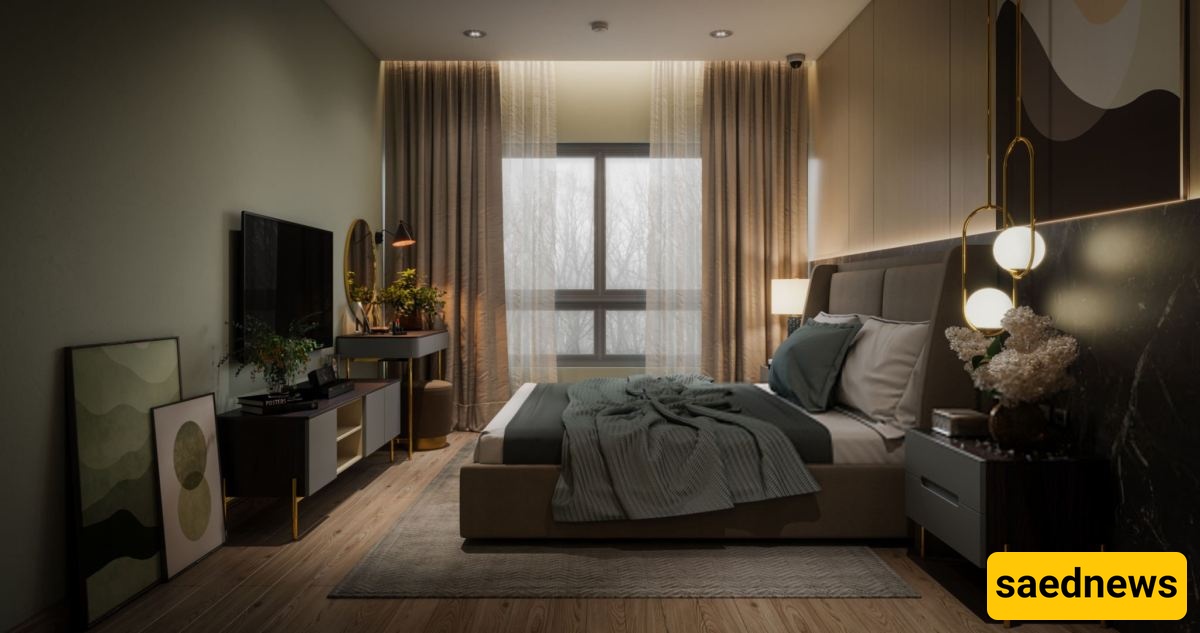
The ideal TV height depends on how you watch television. If you usually watch while lying in bed, the center of the screen should be approximately at eye level or slightly above it, depending on your pillow position and viewing angle.
If you prefer watching while sitting on the edge of the bed or in a chair, adjust the height to match your seated eye level.
Avoid mounting the television excessively high, as this can lead to neck discomfort and eye strain.
Viewing distance is equally important. For Full HD and 4K televisions, a commonly used guideline is to sit approximately 1.5 to 2.5 times the screen's diagonal measurement away from the TV.
For example, a 43-inch television generally works well at a viewing distance of approximately 2 to 2.5 meters.
The ideal distance may vary depending on screen resolution, room dimensions, and personal preferences.
Bedroom lighting has a significant impact on the television viewing experience.
Placing the TV directly opposite a window can create reflections and screen glare. Whenever possible, position the television where direct sunlight will not fall onto the screen.
Blackout curtains, soft ambient lighting, and LED backlighting behind the television can help create a more comfortable viewing environment.
Concealed lighting behind the screen also adds a decorative touch and creates a relaxing, cinema-inspired atmosphere.
Visible cables and scattered electronic accessories can make even a beautifully designed bedroom look untidy.
For a clean and organized TV setup, consider using cable covers, wall-mounted cable channels, or concealed wiring systems.
If the television is wall-mounted, plan the cable arrangement before installation so that wires can be hidden behind the wall or decorative panel.
Keep accessories such as streaming devices, digital receivers, media players, and gaming consoles inside a cabinet or enclosed shelf. This not only improves organization but also helps protect equipment from dust and accidental damage.
Safety is an essential consideration when installing a television in the bedroom.
Make sure the wall bracket is securely attached to an appropriate structural support and can safely support the weight of the television. If you are using a TV stand, choose a stable base and position the screen away from the edges of the furniture.
In homes with children or pets, wall mounting or using anti-tip safety straps is particularly important.
Also, avoid placing the television in walkways or locations where it could easily be knocked over.
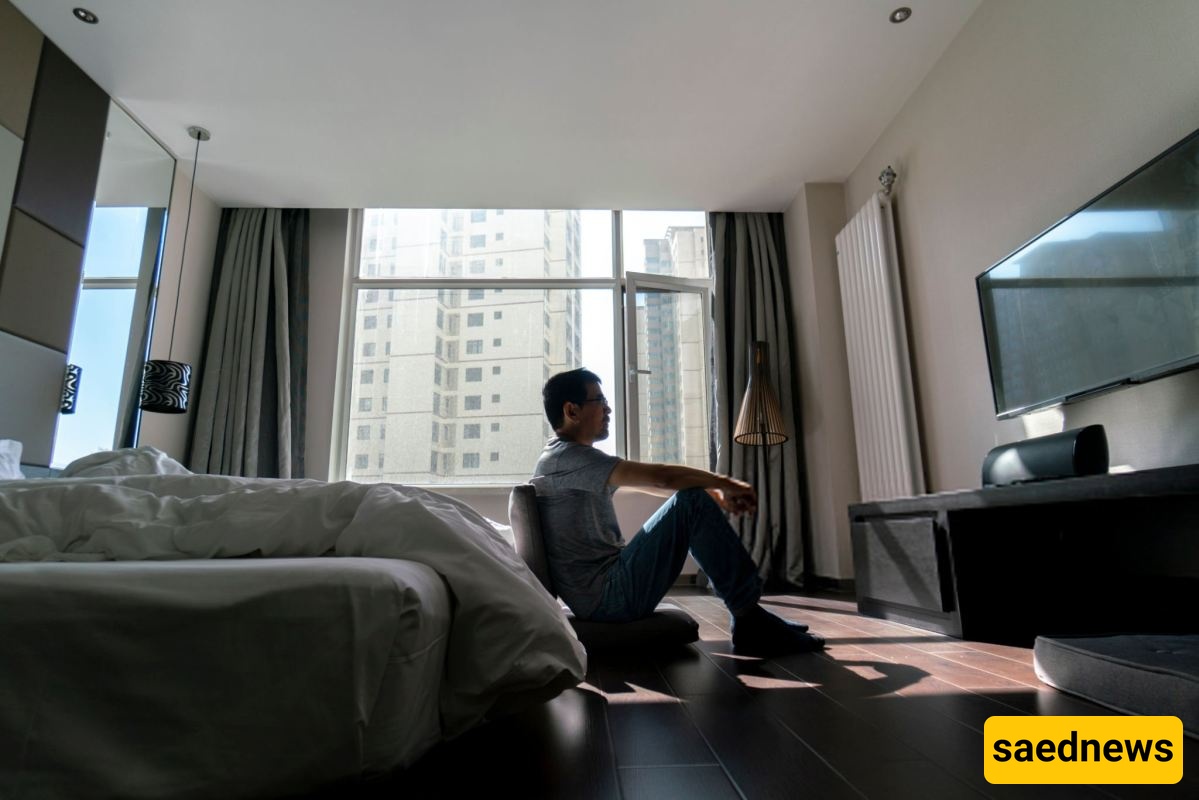
Your television should be proportionate to both the bedroom dimensions and the viewing distance.
An oversized screen can dominate a small bedroom and disrupt the overall visual balance.
From a design perspective, slim, bezel-free televisions generally complement contemporary and minimalist interiors. Traditional-style televisions or models with wood-finish stands may work better in classic bedroom settings.
The color and material of the TV stand, wall bracket, or surrounding cabinetry should also complement the other furniture and decorative elements.
Some common mistakes can negatively affect both the appearance of your bedroom and your television viewing experience.
These include:
Mounting the television too high, potentially causing neck discomfort.
Placing the screen directly opposite a window, resulting in unwanted glare.
Using an unstable or unsuitable TV stand.
Overcrowding the area around the television with decorative accessories.
Leaving cables exposed and poorly organized.
Choosing a screen size that is too large for the bedroom.
Positioning the TV at an angle that requires you to turn your head while watching.
Ideally, the television should be positioned in a comfortable viewing area directly in front of the bed, allowing you to watch without repeatedly turning your neck.
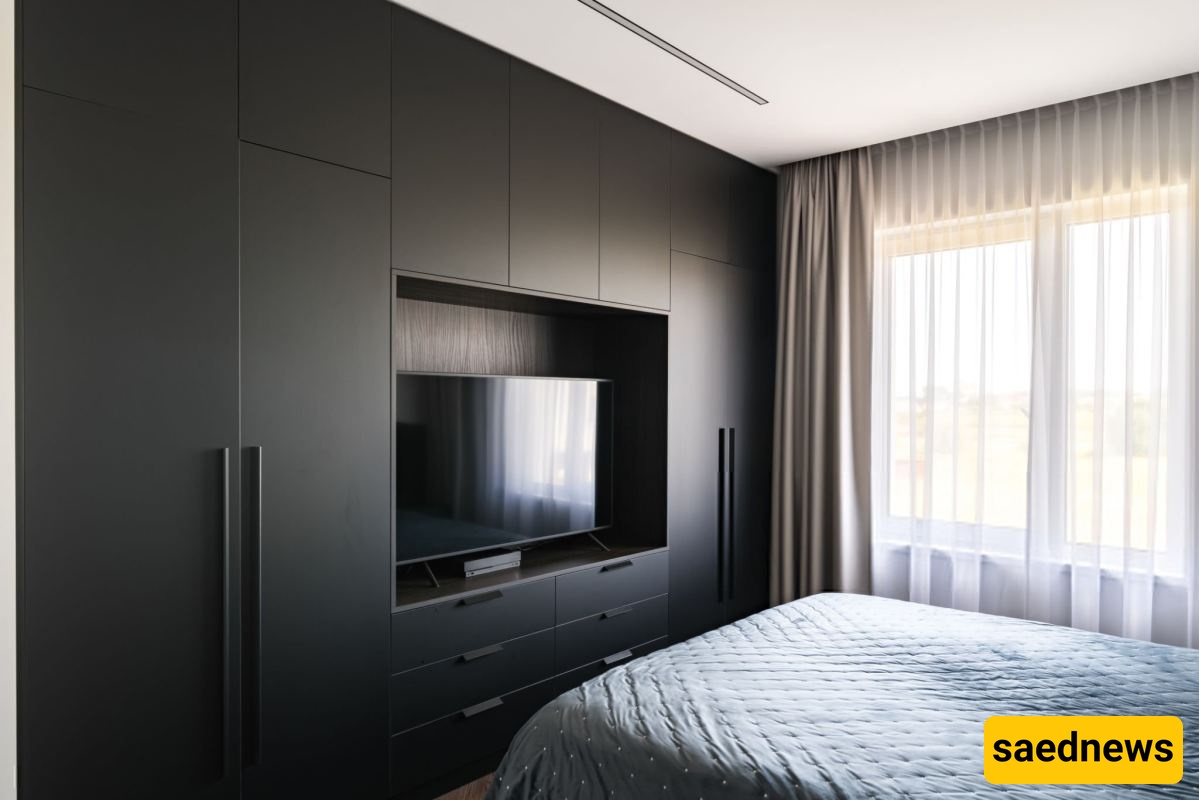
A well-designed bedroom TV arrangement should balance comfort, functionality, safety, and aesthetics. Whether you choose a wall-mounted television, a low console, a decorative feature wall, or a concealed cabinet, the key is to make the screen feel like a natural part of your bedroom.
By considering viewing height, screen distance, lighting, cable management, and room proportions, you can create a relaxing and visually balanced bedroom that meets your entertainment needs without compromising its peaceful atmosphere.