SAEDNEWS: Choosing the right sports bag is more than just making a purchase. In this guide, we explore the key factors to help you make an informed decision that suits your needs.
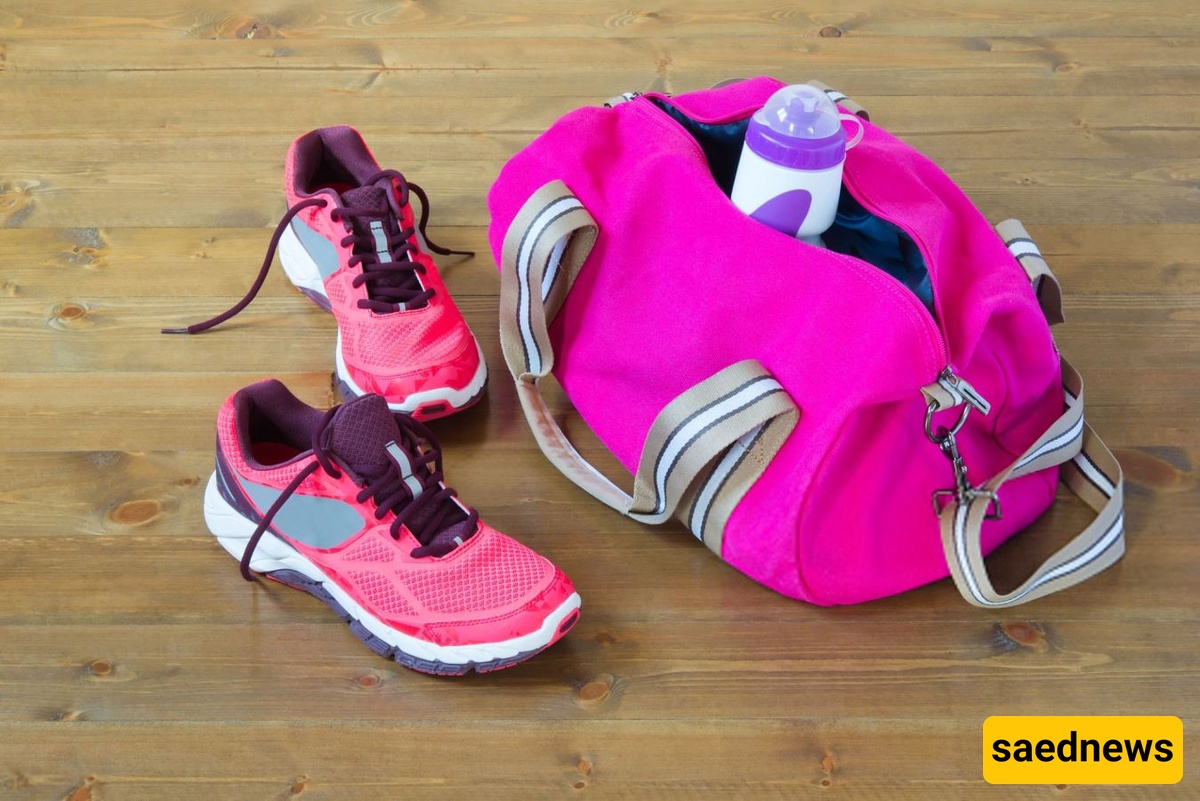
According to Saednews, Choosing the right sports bag is more than just a simple purchase. It is just as important as selecting the right sports shoes or workout clothes. A good sports bag should keep your essentials organized, protect your equipment from moisture and damage, and remain comfortable to carry, even over long distances.
Many people focus only on appearance, color, or price when buying a sports bag. However, factors such as fabric quality, zipper durability, compartment design, ventilation, and strap ergonomics have a direct impact on everyday usability.
In this guide, we explore the key factors to consider when choosing a sports bag. Whether you need one for the gym, swimming, football, hiking, short trips, or everyday use, this article will help you make a more informed decision based on your actual needs.
A sports bag is designed to carry workout clothes, shoes, towels, water bottles, toiletries, and sometimes electronic devices. When these items are stored together without proper organization, the risk of damage, unpleasant odors, and losing smaller belongings increases.
A well-designed sports bag with dedicated compartments makes it easier to access your belongings and prevents clean clothes from coming into contact with shoes or wet garments.
Carrying an unsuitable bag every day can also put unnecessary strain on your shoulders and back. Therefore, your choice should depend on the weight of your belongings, how long you carry the bag, and the type of physical activity you do.
The right sports bag not only lasts longer but also makes your workout routine more convenient and organized.
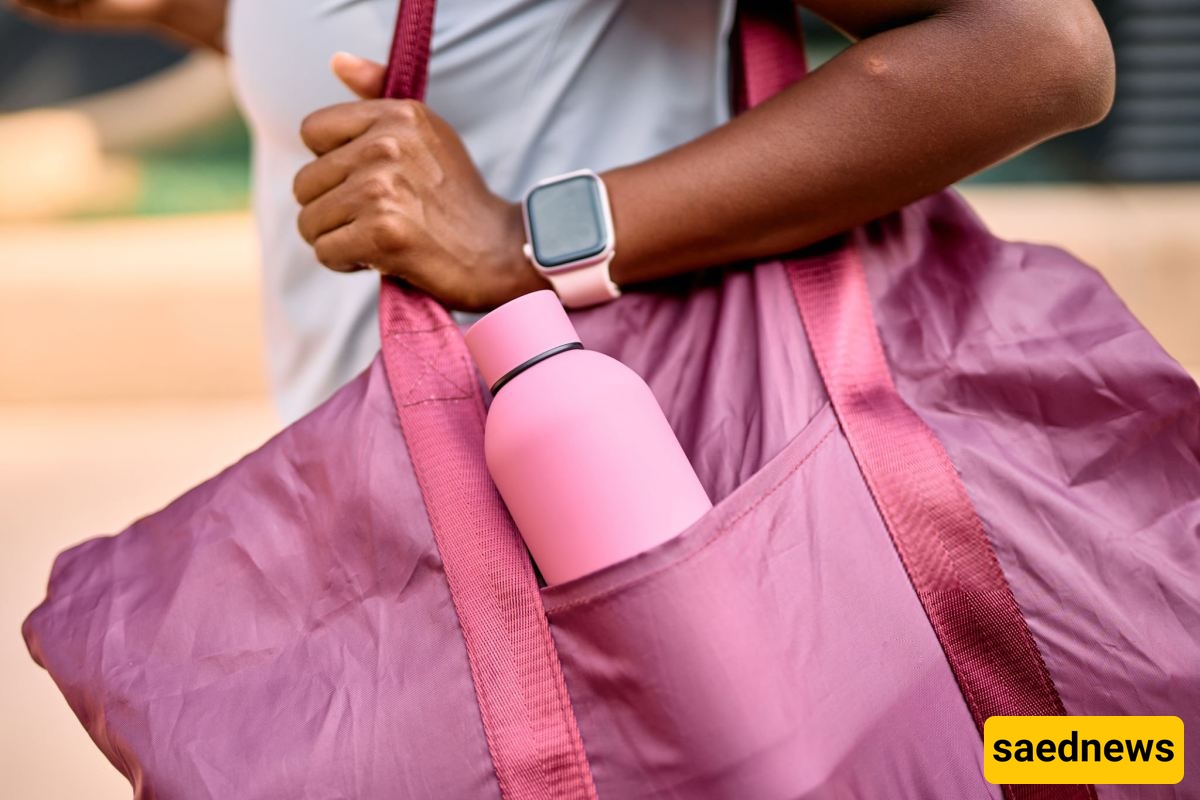
Handheld sports bags are generally lightweight, simple, and more affordable. They are ideal for people who live close to their gym or carry only a few essentials.
These bags work well for daily workouts, fitness classes, and short trips.
However, carrying heavy equipment in a handheld bag may put excessive pressure on your hands and arms.
A sports backpack is one of the best options for longer journeys because it distributes weight more evenly across both shoulders.
If you commute to your workout location by bicycle, on foot, or by public transportation, a sports backpack can be a more practical choice.
Most sports backpacks feature multiple compartments, dedicated shoe pockets, and adjustable shoulder straps.
Duffel bags offer generous storage capacity and are suitable for team sports, short trips, and carrying bulky equipment.
They typically feature adjustable shoulder straps and additional side pockets.
If you need plenty of space for clothes, shoes, and towels, a duffel bag is an excellent option.
Wheeled sports bags are particularly useful for carrying heavy equipment or traveling to sporting events.
If you have back or shoulder problems or regularly transport a large amount of equipment, this type of bag can reduce the physical effort required.
However, wheeled bags are generally heavier and may be unnecessarily bulky for everyday gym sessions.
Some sports bags are designed specifically for particular activities.
For example:
Swimming bags usually feature waterproof compartments and enhanced ventilation.
Football bags provide extra space for cleats, clothing, and water bottles.
Gym bags may include dedicated pockets for protein shakers, lifting belts, and smaller accessories.
Choosing a bag designed for your sport can improve convenience and functionality.
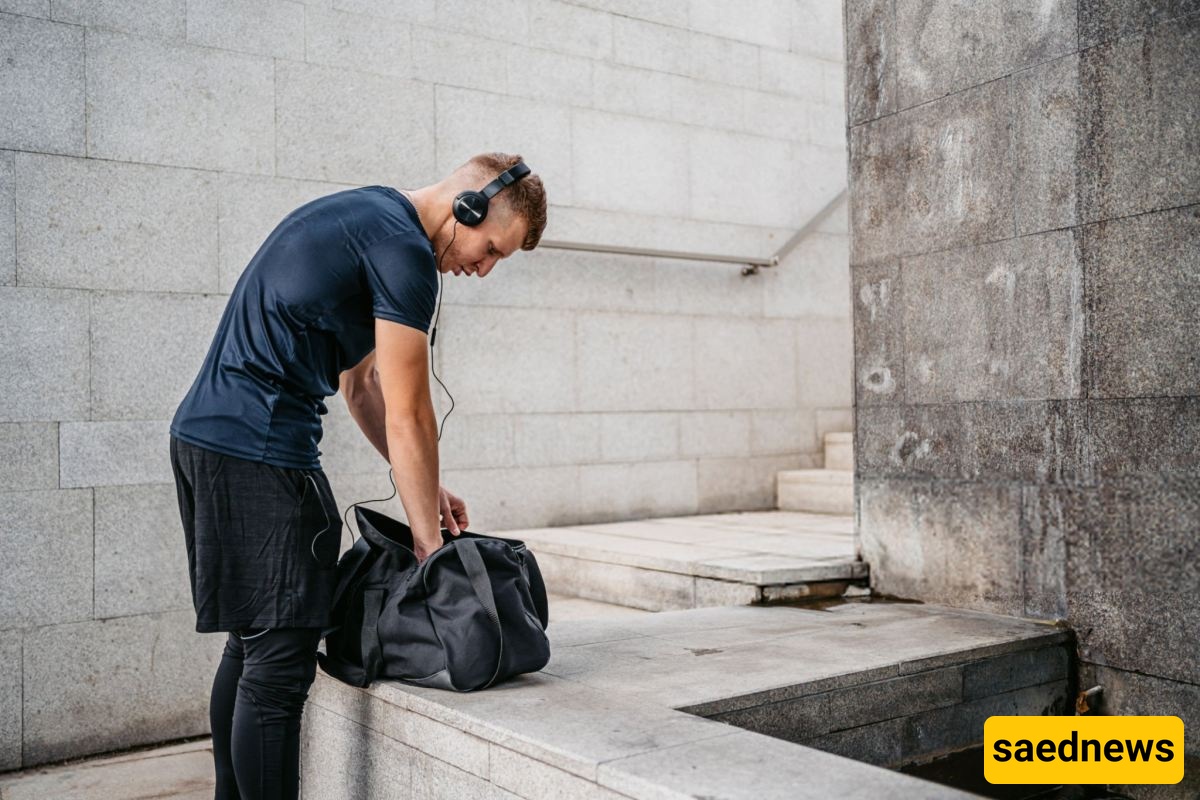
The first question to ask yourself is how much equipment you need to carry.
20–35 liters: Usually sufficient for everyday gym sessions.
35–50 liters: More suitable for carrying clothes, shoes, towels, water bottles, and toiletries.
Over 50 liters: Ideal for sports trips or transporting bulky equipment.
Keep in mind that an unnecessarily large bag may encourage you to carry extra items, increasing its overall weight.
The material determines how durable and resistant your sports bag will be.
High-density nylon, polyester, and certain coated synthetic fabrics generally offer good durability.
If your bag is frequently exposed to rain or moisture, look for a water-resistant or waterproof coating.
Strong stitching, high-quality zippers, and a reinforced bottom are also important indicators of a durable sports bag.
Cheap zippers and weak stitching are often among the first parts to wear out.
A sports bag should be lightweight so that the bag itself does not add unnecessary weight to your belongings.
This is particularly important if you use public transportation or walk long distances to reach your workout location.
Wheeled bags tend to be heavier, so it is important to balance carrying comfort with storage capacity.
If you carry your bag over your shoulder, wide and padded straps are essential.
Thin straps can place excessive pressure on your shoulders.
For sports backpacks, look for adjustable, padded shoulder straps and ventilated back panels to improve comfort.
Handheld bags should also have reinforced handles that are securely attached to the main body.
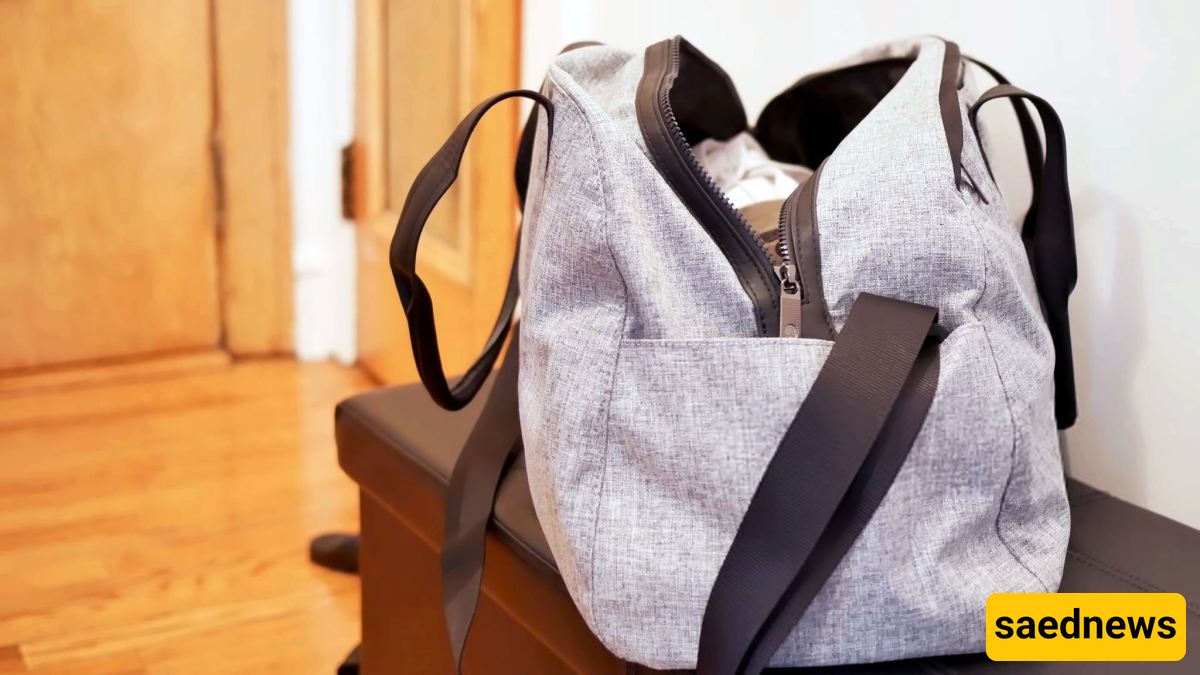
Proper compartment organization is one of the most important features of a good sports bag.
Useful storage options include:
A separate shoe compartment.
Small pockets for keys and smartphones.
A dedicated water bottle holder.
An internal pocket for toiletries.
Separate storage for clean and used clothing.
If your bag includes a separate shoe compartment, make sure it is isolated from the main storage area. This helps prevent dirt and unpleasant odors from transferring to your clothes.
Workout clothes and shoes often retain moisture and develop unpleasant odors.
A good sports bag should have ventilation openings or mesh panels to allow air circulation.
Proper ventilation helps reduce moisture buildup and limits the conditions that encourage bacterial growth.
This feature is especially important if you regularly leave your bag in a car or gym locker after exercising.
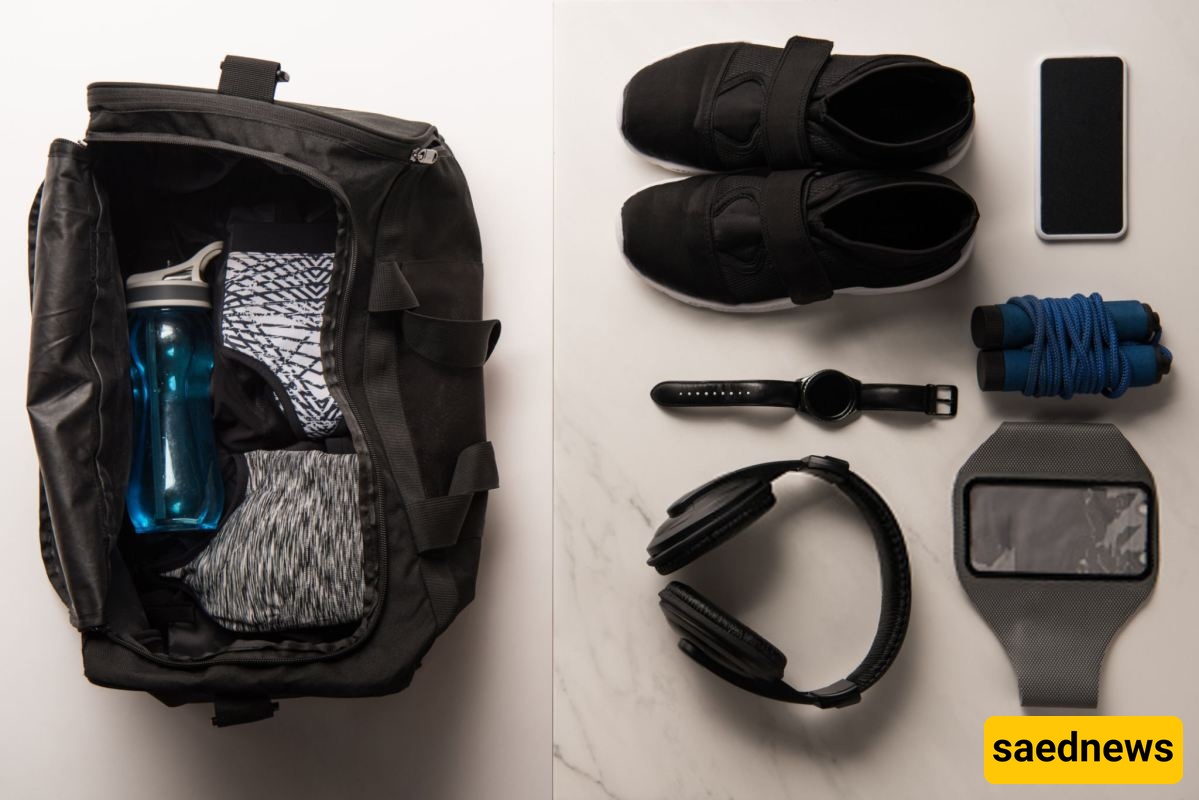
For outdoor sports, swimming, or rainy commutes, choosing a water-resistant or waterproof sports bag is a smart decision.
However, waterproof and water-resistant are not the same.
A water-resistant bag can withstand splashes and light moisture, while a waterproof bag provides a higher level of protection against water exposure.
If you regularly carry wet clothes or towels, consider choosing a bag with a waterproof compartment or using a separate waterproof pouch.
High-quality metal or plastic zippers can significantly extend the lifespan of your sports bag.
Larger, sturdier zippers are generally more suitable for the main opening.
Reinforced stitching is particularly important in high-stress areas, such as where the shoulder straps connect to the bag.
Before purchasing, open and close the zippers several times and carefully inspect the stitching.
The color of your sports bag is largely a matter of personal preference, but it can also have practical benefits.
Dark-colored bags tend to hide dirt and stains more effectively, while lighter-colored interiors make it easier to locate your belongings.
If you regularly leave your bag in a shared gym space, choosing a distinctive color or adding a name tag can help prevent it from being mistaken for someone else's.
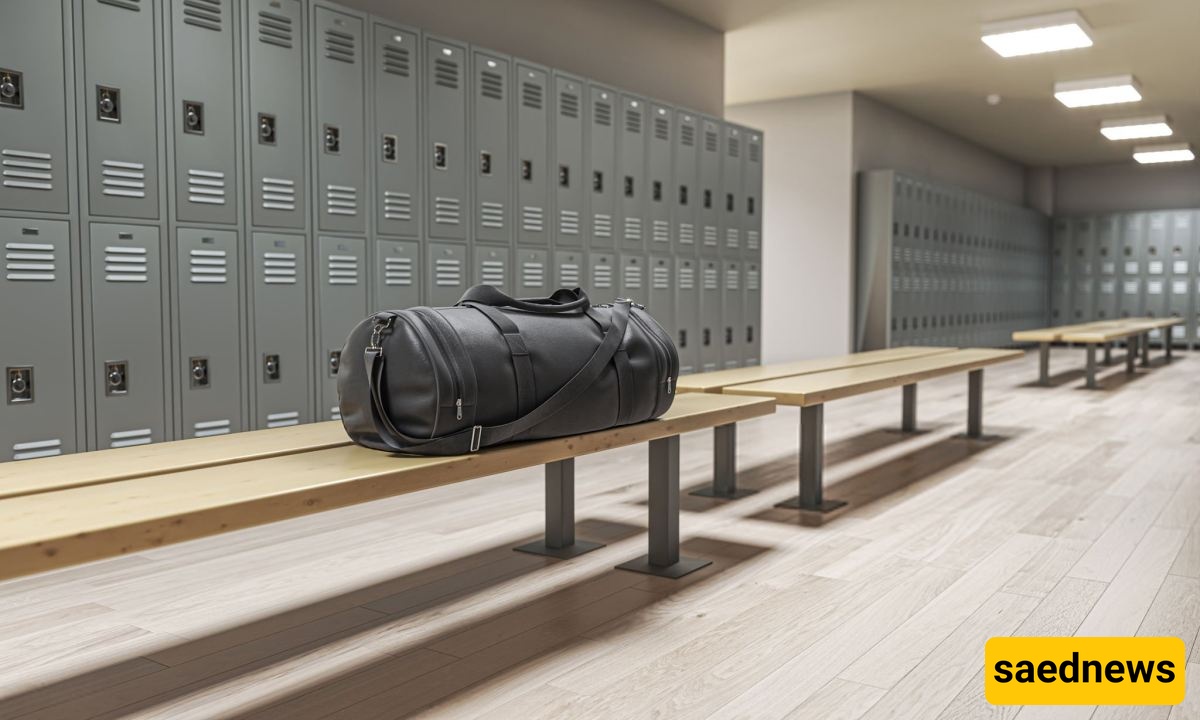
Sports bag prices vary depending on the brand, material, capacity, and available features.
The cheapest option is not necessarily the best choice. Lower durability may result in additional replacement costs over time.
Buying from a reputable brand, checking the warranty, and reviewing the return policy can reduce the risks associated with your purchase.
The key is to find the right balance between price, quality, and your actual requirements.
Different sports require different storage solutions.
General gym workouts: A handheld sports bag or lightweight backpack with a separate shoe compartment is usually sufficient.
Football and team sports: A large-capacity duffel bag with a dedicated shoe compartment is more practical.
Swimming: Prioritize waterproof pockets and effective ventilation.
Weightlifting and bodybuilding: Look for dedicated compartments for shakers, lifting belts, and small accessories.
Hiking and outdoor activities: Choose a backpack with ergonomic straps, a comfortable back panel, and durable materials.
Sports travel: A large duffel bag or wheeled sports bag provides additional storage capacity.
One of the most common mistakes is purchasing a bag that is unnecessarily large. An oversized bag encourages you to carry extra belongings and can make transportation more difficult.
Another frequent mistake is overlooking the importance of shoe compartments and ventilation.
Some buyers focus entirely on appearance while ignoring essential features such as zipper quality, stitching strength, and strap comfort.
Failing to check the warranty and return policy before purchasing can also lead to unnecessary problems.
Before making your final decision, make sure your chosen bag meets the following requirements:
Storage capacity suitable for your daily essentials.
Durable and water-resistant material.
Separate compartment for shoes.
Proper ventilation system.
High-quality zippers and reinforced stitching.
Wide and comfortable shoulder straps.
Reasonable overall weight.
Dedicated water bottle pocket.
Warranty and after-sales support.
Price that reflects the product's quality.
To extend the lifespan of your sports bag, remove wet clothes and towels immediately after every workout.
Allow the bag to air out properly and avoid storing damp clothing inside it for extended periods.
Clean stains using a damp cloth and mild cleaning products.
Avoid intensive machine washing unless the manufacturer's care instructions specifically allow it.
You should also clean the zippers occasionally and avoid pulling them too hard to prevent damage.
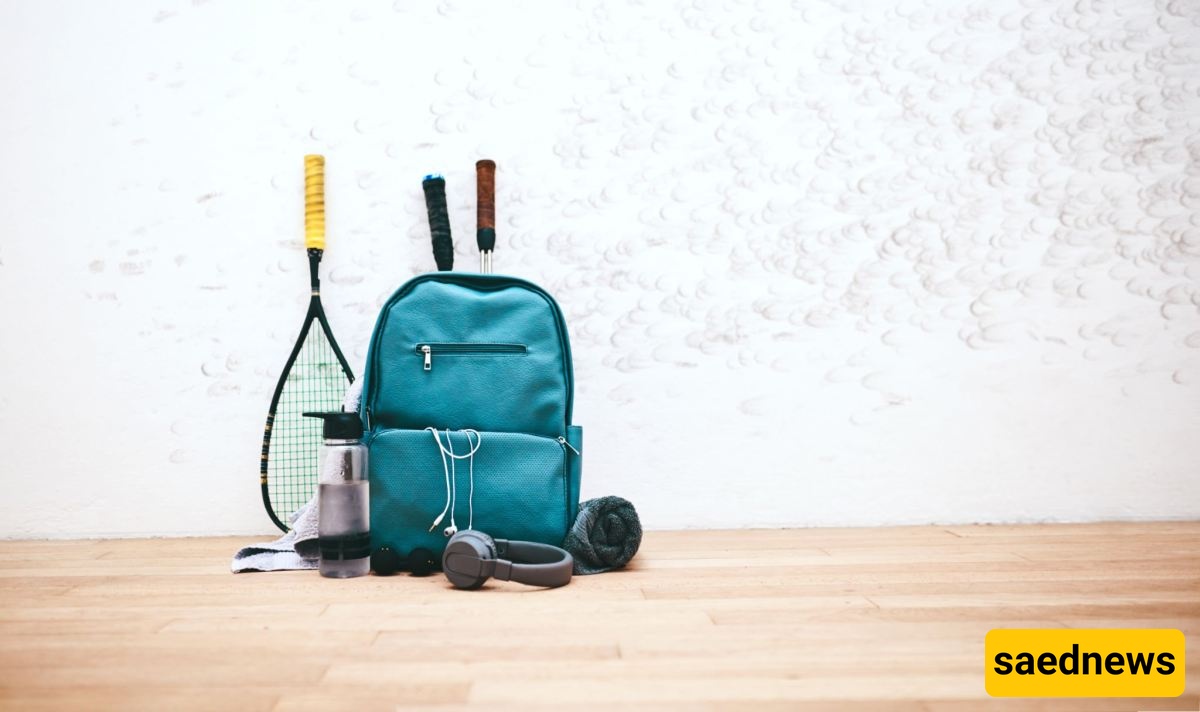
Choosing the right sports bag requires more than considering its appearance or price. Storage capacity, material quality, durability, ventilation, water resistance, and carrying comfort all play an important role in determining whether a bag meets your needs.
By considering these 10 essential factors and matching the bag's design to your sporting activities, you can choose a practical, durable, and comfortable option that makes your daily fitness routine easier.