SAEDNEWS: Why Do Color-Treated Hair Shampoos Produce Less Foam?
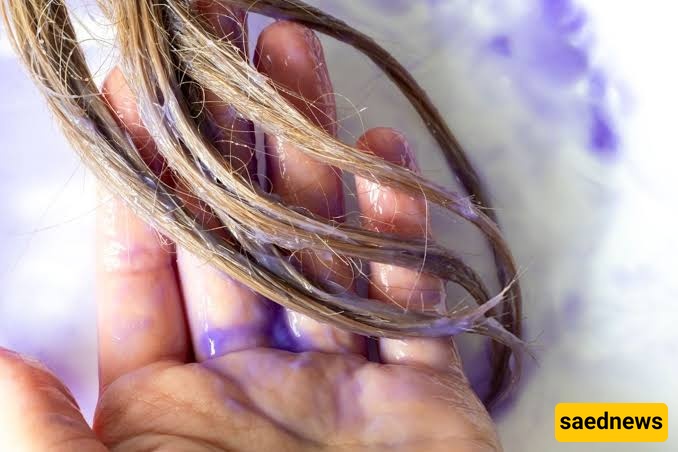
According to Saednews, Many people who dye their hair notice a common difference after using color-protecting shampoo: Why doesn't it lather as much as regular shampoo? At first, this may seem like a sign of poor quality or a defective product. However, in most cases, reduced lather is an intentional feature of these shampoos and often indicates a gentler formulation.
Color-protecting shampoo, also known as shampoo for color-treated hair, is specifically formulated to cleanse hair that has undergone coloring, bleaching, or highlighting. These processes can lift the hair cuticle and cause the loss of moisture and proteins, making hair more sensitive and prone to breakage.
Therefore, color-protecting shampoo must do more than simply cleanse. It has three additional important functions:
Preserve hair color and prevent premature fading.
Help repair damaged hair structure.
Maintain the natural moisture and oil balance of the hair and scalp.
To achieve these goals, manufacturers adjust the ingredients in their formulas. These changes are one of the main reasons color-protecting shampoos produce less foam.
Let's explore the most important factors behind this.
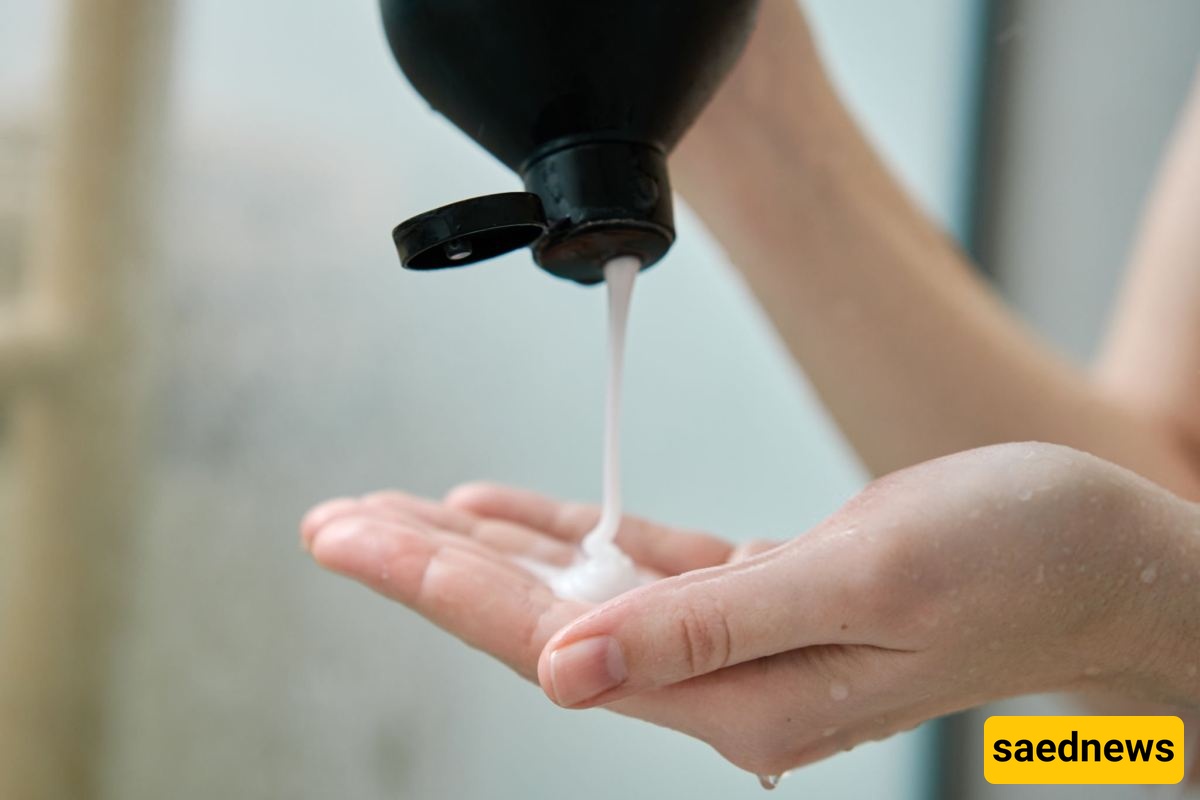
Shampoo foam is mainly produced by surfactants, which are molecules that help dissolve oils and impurities in water and remove them from the hair.
Regular shampoos often contain strong sulfates, such as Sodium Lauryl Sulfate (SLS) and Sodium Laureth Sulfate (SLES). These ingredients create abundant, thick foam, but their strong cleansing action can accelerate color fading and strip away the scalp's natural oils.
In contrast, color-protecting shampoos typically use milder surfactants, including:
Cocamidopropyl Betaine
Sodium Cocoyl Isethionate
Sodium Lauroyl Sarcosinate
Coco-Glucoside
Sodium Cocoyl Glutamate
These ingredients generally provide gentler cleansing and may produce less foam. As a result, reduced lather is often a sign of a milder formula rather than poor performance.
Shampoos designed for color-treated hair often contain ingredients such as Polyquaternium, lightweight silicones, fatty alcohols, argan oil, jojoba oil, macadamia oil, keratin, and panthenol.
These ingredients help improve smoothness, shine, and manageability while supporting damaged hair.
However, conditioning agents and oils can also suppress foam. They may interfere with bubble formation and stability, causing the lather to break down more quickly.
In simple terms, the richer a shampoo is in conditioning and protective ingredients, the more likely it is to produce less foam.
One important principle of hair color protection is maintaining an acidic pH, generally between 4.5 and 5.5.
At this pH level, the hair cuticle tends to remain smoother and more compact, helping retain color molecules within the hair shaft.
Color-protecting shampoos often contain citric acid or lactic acid to regulate their pH.
However, the overall formulation and pH can influence surfactant performance and foam formation. This can contribute to the lower lather associated with some color-protecting shampoos.
Color-protecting shampoos often contain UV filters, antioxidants, and specialized color-stabilizing complexes.
These ingredients help protect hair from environmental factors that can contribute to color fading.
Depending on the formulation, they can also influence foam formation and stability. Consequently, these shampoos may prioritize color protection and hair care over producing abundant lather.
Hard water contains relatively high levels of calcium and magnesium ions.
These minerals can interact with certain surfactants, reducing their effectiveness and sometimes forming insoluble deposits that interfere with foam production.
This effect can be more noticeable with mild, low-foaming shampoos.
As a result, the same shampoo may produce more foam in one city than in another, depending on the mineral content of the local water supply.
Foam production does not depend entirely on the shampoo's formulation. The way you use the product also matters.
Less foam may form if:
You use too little shampoo.
Your hair is not sufficiently wet.
You apply concentrated shampoo directly without distributing or diluting it.
Your hair contains a significant amount of oil or styling products.
During the first wash, oil and dirt consume some of the surfactants, leaving less available for foam formation. A second wash may therefore produce noticeably more lather.
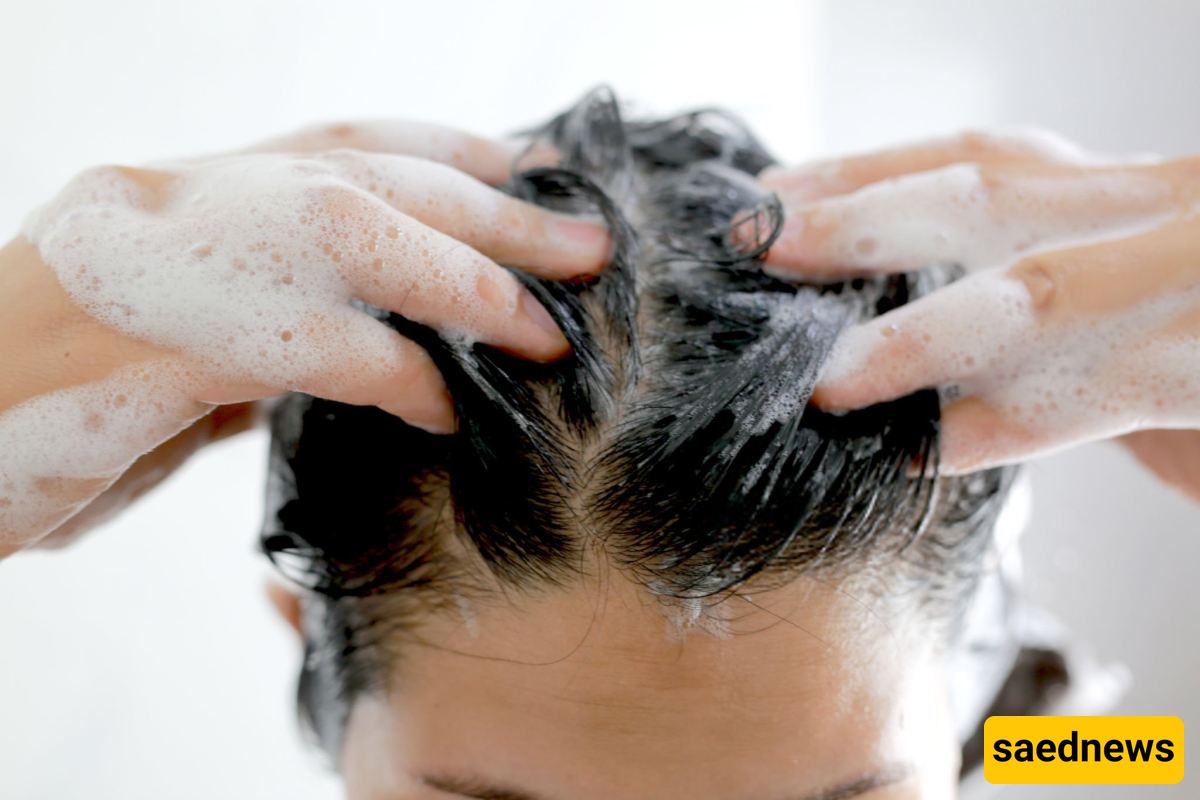
If your hair is oily, coated with styling products, or contains residue from previous hair-care products, your shampoo may produce less foam.
This is particularly common among people who leave longer intervals between washes.
In such situations, the surfactants must first deal with accumulated oils and product residue, which can reduce the amount of visible lather.
No. One of the most common misconceptions about shampoo is that more foam means better cleansing.
In reality, foam is primarily a visual and sensory characteristic and does not directly determine cleansing performance.
Effective cleansing occurs when surfactants form structures called micelles, which surround oils and help suspend them in water so they can be rinsed away.
This process does not necessarily require large amounts of foam.
Many professional and treatment-oriented shampoos produce relatively little lather while still providing effective cleansing.
Therefore, you should not judge the quality of color-protecting shampoo solely by how much foam it produces.
Low-foaming shampoos can offer several advantages for chemically treated hair, including:
Less disruption to the hair cuticle.
Better color retention over time.
Reduced dryness and breakage.
Greater suitability for sensitive scalps.
Less exposure to potentially harsh cleansing agents.
People whose hair has become particularly sensitive after coloring or bleaching may benefit from using gentler, low-foaming shampoos.
However, low foam alone does not guarantee that a shampoo is suitable for everyone.
You should investigate further if:
Your hair still feels greasy or heavy after washing.
Your scalp develops itching, redness, or unusual flaking.
The shampoo develops an unpleasant smell or changes color.
The product has passed its expiration date.
These signs may indicate that the product is unsuitable for your hair type, has deteriorated, or may be counterfeit.
To get the most out of your shampoo, follow these recommendations:
Wet your hair thoroughly: Rinse your hair with lukewarm water for one to two minutes before applying shampoo.
Use an appropriate amount: Start with an amount approximately the size of a coin for short hair and adjust according to your hair length and thickness.
Emulsify the shampoo: Rub the shampoo between your palms with a little water before applying it.
Focus on the scalp: Gently massage the shampoo into your scalp rather than aggressively rubbing the lengths of your hair.
Consider washing twice: If your hair is particularly oily or has significant product buildup, a second gentle wash may improve cleansing.
Avoid hot water: Lukewarm water is preferable because excessive heat can contribute to dryness and color fading.
Rinse thoroughly: Make sure no shampoo residue remains on your scalp or hair.
If you live in an area with hard water, installing a suitable water filter or occasionally using a chelating shampoo may also help reduce mineral buildup.
When choosing a shampoo for color-treated hair, pay attention to its ingredient list and overall formulation.
Consider the following factors:
Sulfate content: If your hair is dry or highly processed, consider sulfate-free or low-sulfate formulas.
Color-protecting ingredients: Look for ingredients designed to help maintain hair color and improve hair condition.
Balanced pH: A mildly acidic formulation may help support the hair cuticle.
Conditioning agents: Ingredients such as panthenol, keratin, and suitable conditioning oils can improve softness and manageability.
Hair type compatibility: Choose a formula that suits your hair's needs, whether it is dry, oily, damaged, or sensitive.
Product authenticity: Purchase from reputable retailers and avoid unverified products or unfamiliar brands without reliable information.
The reduced lather of color-protecting shampoo is generally related to its formulation. Mild surfactants, conditioning ingredients, acidic pH, and color-protecting components can all influence foam production.
Most importantly, more foam does not necessarily mean better cleansing. A shampoo can effectively remove dirt and excess oil without producing thick, abundant lather.
If you have color-treated hair, choosing a gentle shampoo that preserves moisture, supports hair health, and helps maintain your hair color is far more important than choosing one based on how much foam it produces.