SAEDNEWS: Cherry kernel oil helps lock in moisture, reduce hair dryness, and enhance natural shine. Discover its key benefits and how it can support healthier-looking hair.
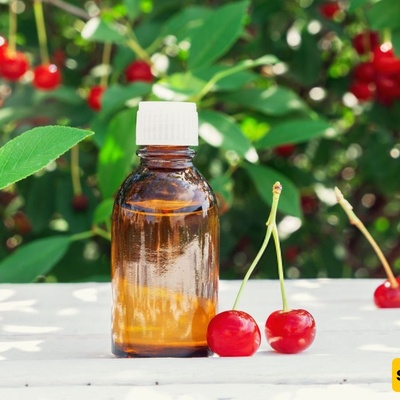
According to Saednews, Cherry kernel oil is a plant-based oil that has gained attention in recent years among people interested in natural hair care. Extracted from cherry pits or seeds, it contains fatty acids, vitamin E, and antioxidants, making it a popular ingredient in skincare and haircare products.
But are the benefits of cherry kernel oil for hair scientifically supported? How does it affect dryness, shine, hair strength, and scalp health? In this article, we explore these questions, explain how to use the oil correctly, and discuss important precautions and common mistakes.
It is important to note that scientific research specifically examining cherry kernel oil for hair is limited. Many of its reported benefits are based on the known properties of plant oils and user experiences rather than extensive clinical studies.
Therefore, cherry kernel oil should be considered a complementary hair care product, not a proven treatment for hair loss or scalp conditions.
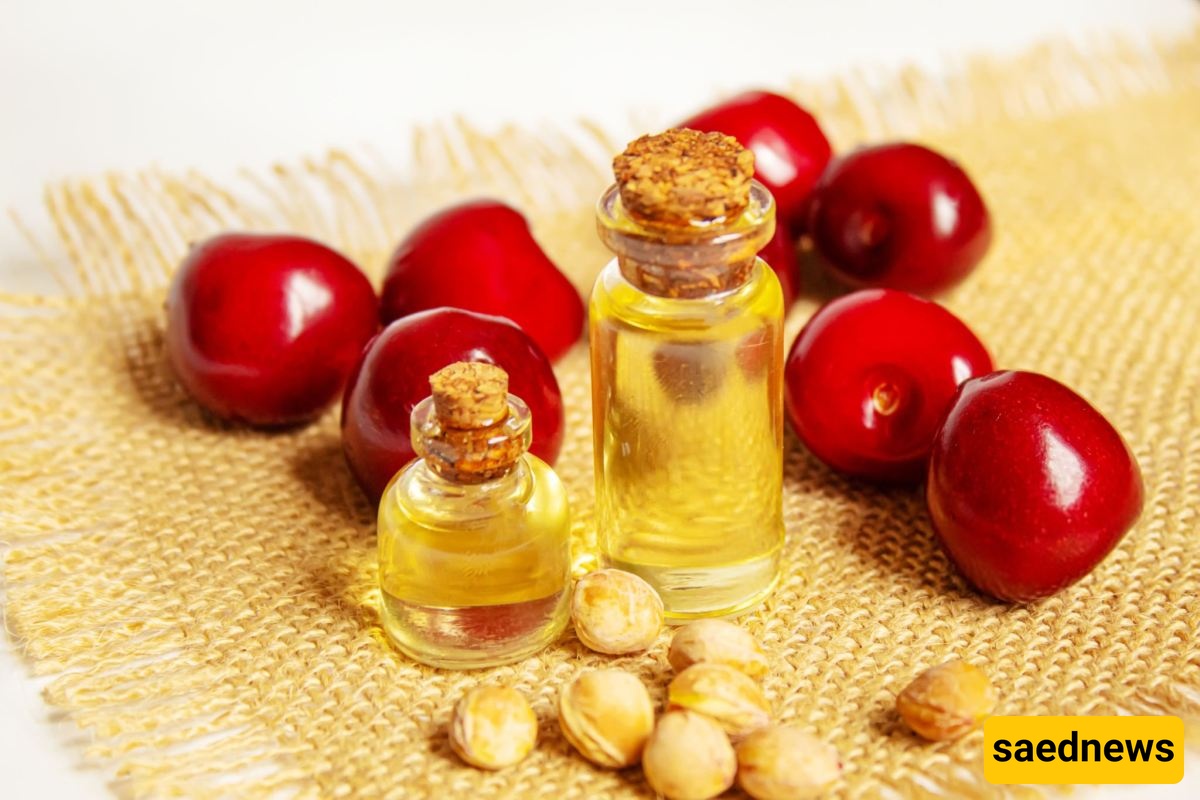
Cherry kernel oil is extracted from the seeds inside cherries. It is generally produced through cold pressing or using approved industrial extraction solvents.
Depending on the extraction and processing method, the oil can range in color from pale yellow to golden. It usually has a relatively lightweight texture and is easily absorbed.
In the market, it is sometimes referred to as Cherry Kernel Oil. It should not be confused with bitter almond oil or apricot kernel oil, as these oils have different compositions and safety considerations.
Cherry kernel oil is intended for cosmetic and personal care use and should not be consumed as an edible oil.
The exact composition of cherry kernel oil depends on the cherry variety, growing conditions, extraction method, and purification process. However, it generally contains the following compounds:
Oleic acid: A monounsaturated fatty acid that helps soften hair and maintain moisture.
Linoleic acid: An essential fatty acid that supports the skin's protective barrier.
Vitamin E: An antioxidant that protects the oil against oxidation and may help improve the appearance of hair.
Phytosterols: Plant compounds commonly used in skincare and haircare formulations.
Phenolic compounds and antioxidants: Substances that may help reduce oxidative stress.
These components make cherry kernel oil a potential moisturizing, conditioning, and protective oil for the hair shaft.
One of the main potential benefits of cherry kernel oil for hair is its ability to help retain moisture and reduce dryness.
Hair dryness can result from frequent washing, heat styling, hair coloring, bleaching, environmental exposure, or damage to the hair's protective outer layer.
Plant oils can form a thin coating on the hair surface, helping reduce moisture loss and making hair feel softer.
Although oil does not supply water to the hair shaft, it can help prevent excessive moisture loss and improve surface smoothness.
For better results, apply cherry kernel oil to slightly damp hair.
Dry and damaged hair is often frizzy, rough, and prone to tangling.
Thanks to its conditioning properties, cherry kernel oil may help reduce friction between individual hair strands.
This can be particularly beneficial for:
Curly and wavy hair.
Color-treated hair.
Hair that becomes dry and difficult to manage after washing.
Applying a few drops to the ends of your hair after brushing can help make it look smoother and more manageable.
Avoid using too much oil, as excessive application can make hair look greasy and feel heavy.
Hair shine largely depends on the smoothness of the hair shaft.
When the hair cuticle is damaged or dry, it reflects less light, making the hair appear dull.
Cherry kernel oil may help smooth minor surface irregularities and create a thin protective coating, giving hair a healthier-looking shine.
This effect is mainly cosmetic and temporary, but it can be useful as part of a regular hair care routine.
For shine without excessive greasiness, apply a very small amount to the ends of your hair.
A healthy scalp provides the foundation for healthy-looking hair.
Dryness, inflammation, and irritation can cause itching and discomfort.
Because cherry kernel oil contains conditioning and antioxidant compounds, it may help relieve mild scalp dryness and maintain skin softness.
However, if you experience severe itching, redness, persistent dandruff, oily scaling, or skin lesions, using oil alone is not sufficient. You should consult a dermatologist.
Dandruff can have fungal, seborrheic, or inflammatory causes, and herbal oils alone are not recommended as a treatment.
Hair ends are particularly vulnerable to dryness and mechanical damage.
Applying cherry kernel oil to the ends can create a protective coating, reduce friction, and make dryness and split ends less noticeable.
However, the oil cannot repair split ends because they involve actual structural damage to the hair shaft.
It may help reduce further damage, but trimming is the only way to remove existing split ends.

The strengthening benefits of plant oils should not be confused with miraculous hair growth.
However, reducing dryness and friction while improving softness and flexibility may help minimize hair breakage.
Softer, more flexible hair is less likely to break during brushing, styling, or tying.
If you are experiencing hair loss, possible causes include genetics, hormonal changes, anemia, nutritional deficiencies, stress, thyroid disorders, and certain medications.
In these cases, cherry kernel oil cannot replace medical evaluation or appropriate treatment.
People with dry or damaged hair may experience the greatest benefits from plant-based oils.
Cherry kernel oil may help soften the hair and improve the appearance of dryness and damage.
Color-treated hair is often drier and more porous.
Applying a small amount of oil to the ends may help improve its appearance and manageability.
Plant oils are commonly included in curly hair care routines to help maintain moisture and reduce frizz.
Cherry kernel oil can be applied sparingly to damp hair to improve softness and manageability.
Applying oil directly to the scalp is generally not recommended for people with oily hair.
If you wish to use cherry kernel oil, apply a very small amount only to the ends and avoid the roots.
Follow these steps to use cherry kernel oil safely and effectively:
1. Perform a patch test
Before applying the oil extensively, place a small amount behind your ear or on your forearm and wait 24–48 hours.
If redness, itching, or irritation occurs, discontinue use.
People with allergies to cherries, almonds, peaches, or other related fruits should take extra precautions.
2. Use the right amount
The recommended amount depends on your hair length:
Short hair: 2–3 drops.
Long hair: 5–10 drops.
Using too much oil can make hair greasy, heavy, and more likely to attract dust.
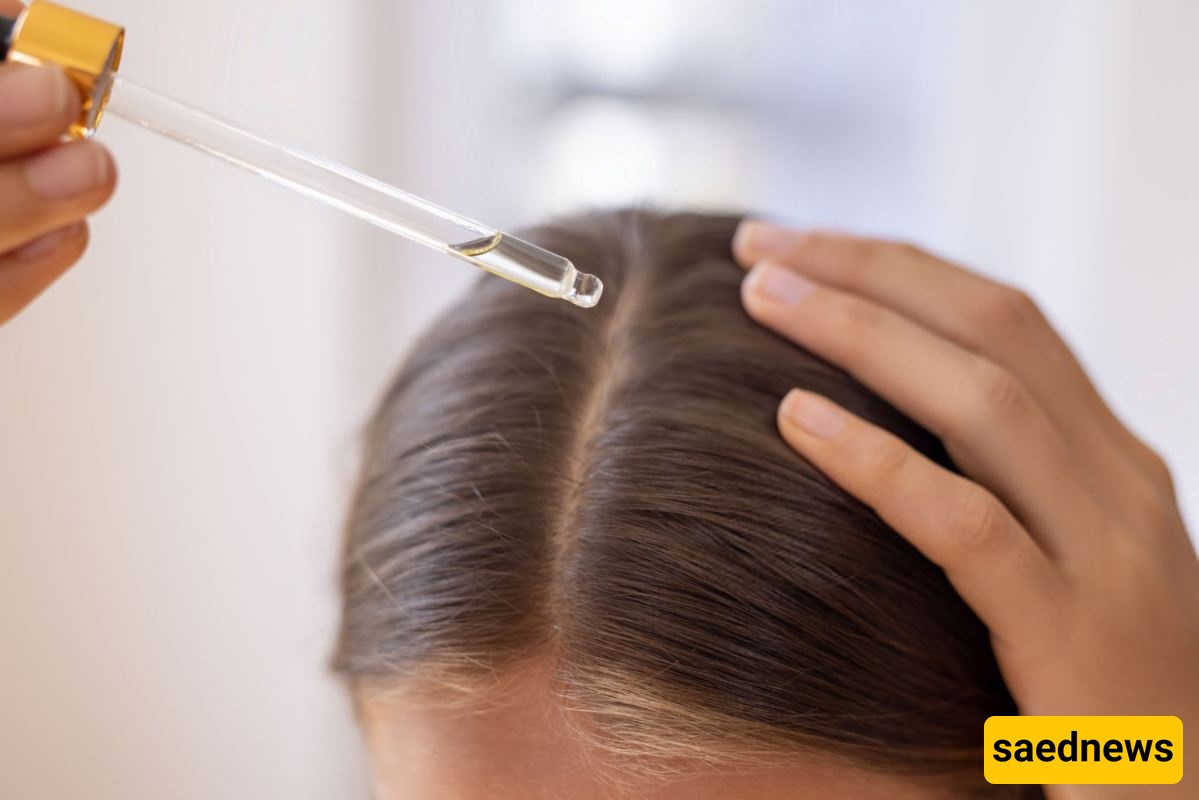
3. Massage the scalp gently
Spread a small amount of oil between your palms and gently massage your scalp using your fingertips rather than your nails.
Massage may temporarily increase local blood circulation and promote relaxation, but it does not independently stimulate hair growth.
4. Apply before shampooing
Apply the oil to your hair 30 minutes to 2 hours before shampooing.
If your hair is extremely dry, you can wear a shower cap during this time.
However, avoid leaving the oil on your scalp overnight. Prolonged exposure may contribute to irritation, excessive greasiness, heaviness, or partial blockage of hair follicles.
If you have a sensitive scalp, keep the application time shorter.
5. Wash thoroughly with shampoo
To remove the oil:
Wet your hair with warm, not hot, water.
Apply shampoo to your scalp and hair.
Massage gently using your fingertips.
Repeat the wash if necessary.
Hot water and overly harsh shampoos can make hair dryness worse.
If your hair still feels dry or rough after washing, apply a very small amount of oil (approximately one drop) to the ends.
6. Use it as a hair serum or finishing oil
Cherry kernel oil can also be applied in small quantities to either damp or dry hair.
Rub a few drops between your palms and gently distribute the oil through the ends.
Avoid applying it to the roots, particularly if you have oily hair.
This method can help reduce the appearance of dryness, frizz, and split ends.
7. Choose the right frequency
Dry or damaged hair: Once or twice a week is generally sufficient.
Oily or fine hair: Use less frequently and apply only to the ends.
Daily or excessive application may make hair greasy, heavy, and more likely to accumulate dust.
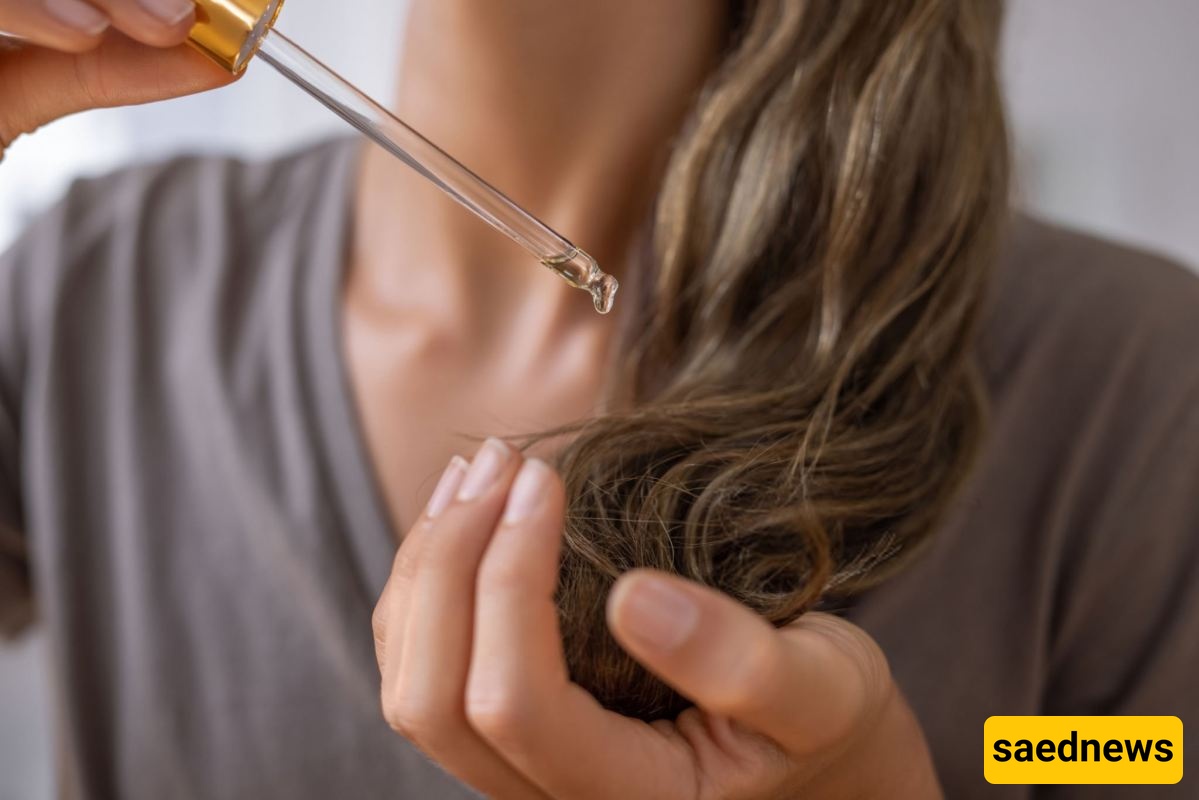
You can combine cherry kernel oil with other plant-based oils, such as:
Jojoba oil.
Argan oil.
Sweet almond oil.
Coconut oil.
Equal proportions or a smaller amount of cherry kernel oil are generally sufficient.
Always perform a patch test before trying a new mixture, and avoid adding highly concentrated essential oils or other potentially irritating ingredients.
Before incorporating cherry kernel oil into your hair care routine, keep the following precautions in mind:
External use only: Cherry kernel oil is a cosmetic product and should not be consumed. Cherry pits may contain compounds associated with food safety concerns, so use the oil only on your hair and skin.
Patch testing: Apply a small amount behind your ear or on your forearm and wait 24–48 hours. Discontinue use if redness, itching, burning, or swelling occurs.
Allergies to related fruits: People allergic to cherries, almonds, peaches, apricots, or other related fruits should exercise additional caution.
Damaged scalp: Do not apply the oil to wounds, severe inflammation, burns, or damaged skin.
Persistent hair loss or dandruff: Severe hair loss, persistent dandruff, ongoing itching, or skin lesions require medical evaluation. Plant oils are not a substitute for professional diagnosis and treatment.
Pregnancy, breastfeeding, and children: Consult a doctor or dermatologist before using the oil in these situations.
Proper storage: Keep the oil in a tightly sealed container away from direct sunlight and heat. Always check the expiration date. Freshly pressed oils or homemade oils prepared under unsanitary conditions may be contaminated and are not recommended.
Avoid these common mistakes to get the most out of your hair care routine:
Using too much oil: Excessive amounts can make hair greasy, heavy, and less attractive.
Applying oil to the roots of oily hair: This can worsen the appearance of greasy hair. Focus on the ends instead.
Expecting miraculous hair growth: Cherry kernel oil is primarily a moisturizing and conditioning product. There is insufficient scientific evidence that it significantly increases hair growth.
Applying it to an irritated scalp: Using oil on red, itchy, or wounded skin may worsen the condition.
Not washing it out properly: Oil residue on the scalp can cause discomfort, heaviness, and irritation.
Mixing it with irritating ingredients: Adding concentrated essential oils or unknown substances may trigger allergic reactions or irritation.

Here is a brief comparison of cherry kernel oil with several other popular hair oils:
Jojoba oil: Lightweight and similar in some ways to the skin's natural sebum. Suitable for many hair types.
Argan oil: Nourishing and conditioning, commonly used for dry and damaged hair, although it is generally more expensive.
Coconut oil: Heavier than many other oils and may make some hair types feel greasy or stiff.
Sweet almond oil: Lightweight and conditioning, making it a gentle option for dry hair.
Cherry kernel oil: Has a relatively lightweight, easily absorbed texture and may help improve softness, shine, and the appearance of dryness. However, specific clinical evidence supporting its benefits for hair remains limited.
Cherry kernel oil can be a useful addition to a natural hair care routine, particularly for people dealing with dryness, frizz, roughness, and dull-looking hair.
Its fatty acids and antioxidant compounds may help condition the hair, improve softness, enhance shine, and reduce friction-related breakage.
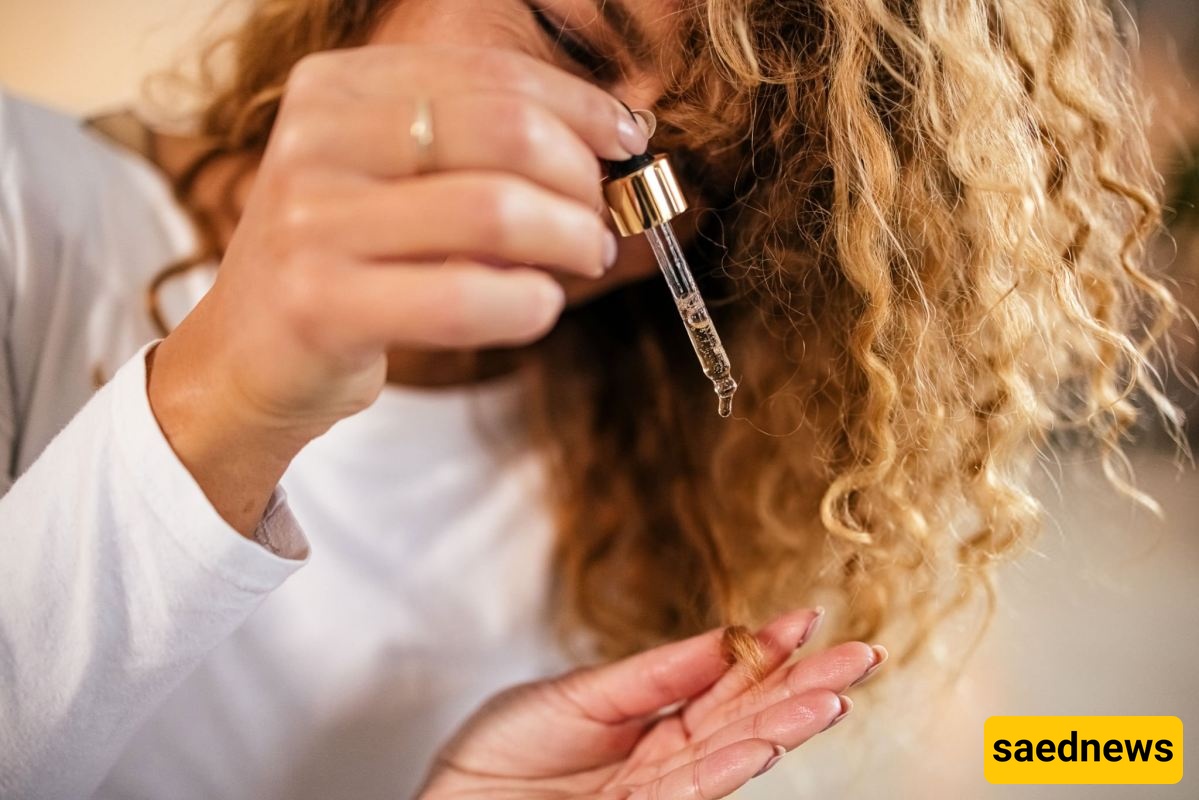
However, it is important to maintain realistic expectations. There is currently insufficient scientific evidence to establish cherry kernel oil as a treatment for hair loss or a proven hair growth stimulant.
For the best results, use a small amount, apply it according to your hair type, perform a patch test, and seek professional advice if you experience persistent scalp problems or unusual hair loss.