SAEDNEWS: Celery stew is a classic Iranian dish, celebrated for its distinctive celery aroma, tender meat, golden fried onions, and perfectly balanced seasonings. It brings warmth and flavor to the Persian dining table, but sometimes, even after hours of cooking, it can develop an unpleasant bitter taste.
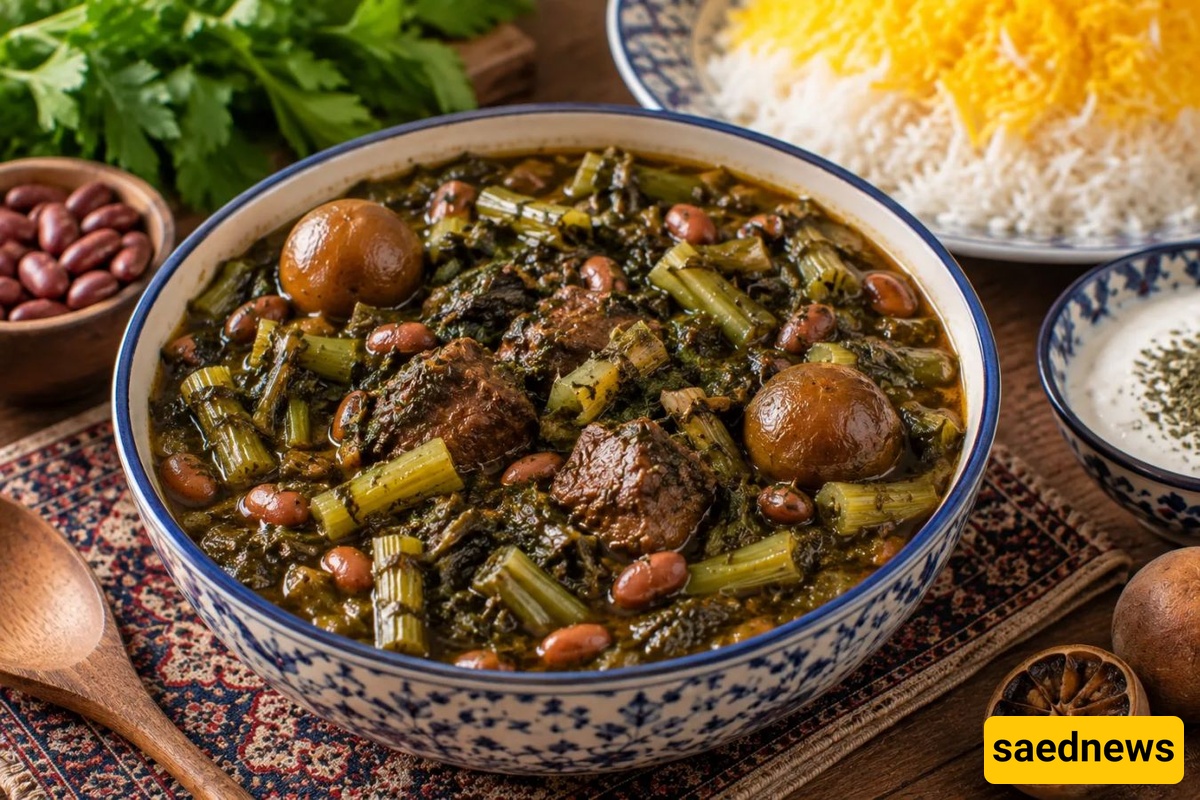
According to Saednews, Celery is a vegetable that naturally contains bitter compounds. These compounds are more noticeable in older stalks, leaves, and the tough white fibers inside the stalks. If celery is not properly cleaned, chopped, and sautéed, its natural bitterness can remain in the stew. On the other hand, fresh, young celery has a mild, slightly sweet flavor that becomes more aromatic and pleasant when sautéed properly. Therefore, the first step to preventing bitterness is choosing the right celery and preparing it correctly.
One of the main reasons celery stew tastes bitter is the use of old, tough, fibrous celery. Celery that has been stored in the refrigerator for a long time or harvested out of season may have a stronger bitter flavor. Stalks that are thick, yellowish, or hollow also tend to taste more bitter.
For the best results, choose fresh celery with bright green, crisp, unblemished stalks. The fresher the celery, the milder its bitterness and the more pleasant its aroma.
Many people simply wash and chop celery, but improper preparation can intensify its bitterness. Celery leaves are generally more bitter than the stalks, so they should be removed if you prefer a milder flavor.
The tough, white fibers running along the stalks can also contribute to bitterness and an unpleasant texture. Remove them using a small knife or vegetable peeler.
Soaking chopped celery in cold water with a little salt for 15–20 minutes may help reduce its bitterness. Some cooks also blanch celery in boiling water with a little salt and sugar for a few minutes before draining it. This method is particularly useful for older celery.

Sautéing celery is one of the most important steps in preparing celery stew. If the celery is not sautéed long enough, its natural bitterness may remain. Conversely, frying it for too long or allowing it to burn can produce a bitter, burnt taste.
Sauté celery over medium-low heat with enough oil until it turns light golden and releases its aroma. Adding a little turmeric and black pepper can enhance its flavor and color, but take care not to burn the spices.
Burnt fried onions are one of the most common causes of bitterness in celery stew. If onions are cooked over excessively high heat and burn, their bitter flavor can spread throughout the dish. Garlic can also become bitter when fried for too long.
Turmeric, pepper, and cinnamon may develop an unpleasant bitter taste if they burn. To avoid this, cook onions and garlic over moderate heat, and add the spices toward the end of sautéing, using low heat.
Acidic ingredients such as verjuice, lemon juice, dried Persian lime, and pomegranate paste add flavor and tanginess to celery stew. However, adding them at the beginning of cooking may cause the celery to remain firm and its bitterness to become more noticeable. Using too much acidity can also upset the balance of flavors.
Dried Persian limes can create particularly strong bitterness if too many are used or their seeds are released into the stew. The seeds are intensely bitter, so they should not be left in the dish.
Oil plays an important role in carrying flavor. If it is heated excessively and begins to burn, its bitter, burnt taste can spread throughout the food.
Low-quality oil or oil that has been reused several times can also produce unpleasant flavors. For the best results, use fresh, good-quality cooking oil and keep the heat under control.
Prolonged cooking over high heat can cause the bottom of the pot to burn, making the entire stew taste bitter. Once the stew sticks to the bottom and begins to scorch, the burnt flavor can spread throughout the dish.
To prevent this, maintain a gentle simmer, stir the stew at regular intervals, and use a heavy-bottomed pot to distribute heat more evenly.
If your celery stew has already turned bitter, do not worry. Several simple methods may help balance its flavor.
Add potatoes: Place a few peeled potato chunks in the stew and let them cook for 20–30 minutes. They may help absorb some flavors. Remove them afterward or leave them in the dish.
Add a little sugar or dates: A small amount of sugar, honey, or a few dates can balance bitterness. Use only a little to avoid making the stew sweet.
Add fresh lemon juice at the end: A small amount can improve the balance of flavors and help mask bitterness.
Add a little tomato paste: Properly sautéed tomato paste can help balance the stew's flavor and improve its color.
Add a little milk or cream: In some recipes, a small amount added near the end may soften bitter flavors, although this is not traditional in Persian celery stew.
Add freshly sautéed onions: A small amount of freshly prepared fried onions can give the stew a milder, more rounded flavor.
Remove the dried Persian lime: If the lime or its seeds are contributing excessive bitterness, remove it and any loose seeds.
Keep in mind that these methods may reduce the perception of bitterness, but preventing it during preparation is usually the most effective approach.
To ensure your celery stew is flavorful and free from excessive bitterness, follow these tips:
Choose fresh, young celery: Bright green, crisp stalks without blemishes are the best choice.
Clean the celery thoroughly: Remove the leaves and tough white fibers, then soak the chopped stalks in cold water with a little salt.
Sauté the celery properly: Cook until it turns light golden and releases its aroma.
Keep the heat moderate: Avoid burning the onions, garlic, and spices.
Add acidic ingredients toward the end: Add lemon juice, verjuice, and dried Persian lime later in the cooking process.
Remove the dried lime seeds: Pierce the dried Persian lime if needed, but remove any loose seeds to prevent excessive bitterness.
Use fresh oil: Burnt oil can ruin the flavor of the stew.
Stir regularly: This is especially important when using a thin-bottomed pot.
Use spices in moderation: Excessive turmeric, pepper, or cinnamon can make the flavor unpleasant.
Control the cooking time: Overcooking can make the celery mushy and alter its flavor.
Celery stew usually becomes bitter because of several small mistakes that combine to affect its flavor. These include choosing old celery, preparing it incorrectly, sautéing it inadequately, burning onions or spices, adding acidic ingredients too early, using burnt oil, and cooking over excessive heat.
Fortunately, these problems can often be prevented by choosing fresh celery, removing its leaves and tough fibers, sautéing it properly, controlling the heat, and adding acidic seasonings toward the end of cooking.
If the stew is already bitter, adding potatoes, a small amount of sugar or dates, tomato paste, or fresh lemon juice may help balance the flavor. With careful preparation and a little patience, you can make a fragrant, flavorful celery stew that the whole family will enjoy.
Does soaking celery in salt water remove bitterness?
Soaking chopped celery in cold water with a little salt for 15–20 minutes may help reduce its bitterness.
Is blanching celery necessary for stew?
Blanching is generally unnecessary for fresh, young celery. However, briefly blanching older celery or thick stalks in boiling water with a little salt and sugar may help reduce bitterness.
Why does celery stew become bitter after adding dried Persian lime?
Dried Persian lime can make the stew very bitter if its seeds are released into the dish or if too much lime is used. Pierce the lime carefully and remove any loose seeds.
Does adding sugar help fix bitter stew?
Yes. A small amount of sugar, honey, or dates can balance bitterness, but avoid adding too much or the stew may become sweet.
When is the best time to add lemon juice to celery stew?
The best time is during the final minutes of cooking. Adding acidic ingredients too early may keep the celery firm and make its bitterness more noticeable.