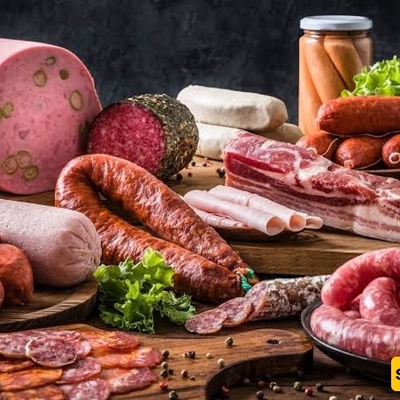
SAEDNEWS: Sausages and cold cuts are among the most popular processed meat products, and their quality depends on the precise formulation of meat, fat, salt, spices, preservatives, fillers, plant-based proteins, water and ice, and antioxidants.
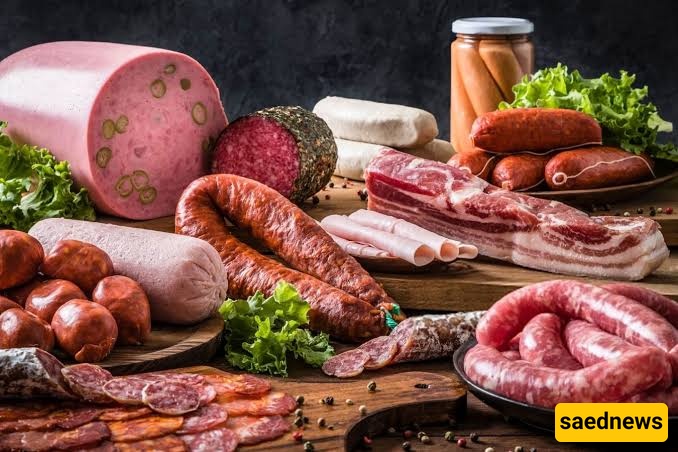
According to Saednews, Sausages and processed meat products are among the most popular meat-based foods and are used in a wide variety of dishes. In addition to giving meals distinctive and varied flavors, these products contain a complex combination of ingredients, each of which can significantly influence the quality of the finished product.
Meat is the primary ingredient in sausages and other processed meat products. It may include beef, chicken, turkey, or a combination of different meats. The type and quality of the meat directly affect the flavor and texture of the final product. Using high-quality meat can make a significant difference in taste, texture, and nutritional value. The proportion of meat relative to other ingredients must also be carefully controlled to achieve the desired quality.
Fresh, high-quality meat can help produce sausages that are not only flavorful but also nutritionally valuable. In some products, combining different types of meat can help create a balanced combination of flavors and textures.
Fat is another important component of sausages and processed meat products. It contributes to flavor and helps create a softer, more tender texture. The amount of fat varies depending on the type of product, and some formulations may also contain vegetable fats.
Fat plays an important role in improving flavor and producing the characteristic texture of processed meat. The type of fat used can also influence the taste and nutritional profile of the finished product. Animal fats generally provide a stronger flavor, while vegetable fats may be used in products intended for consumers seeking to reduce their intake of animal fat.
Salt serves both flavoring and preservation purposes in sausage production. It can help inhibit the growth of microorganisms and contributes to the characteristic taste of processed meat products.
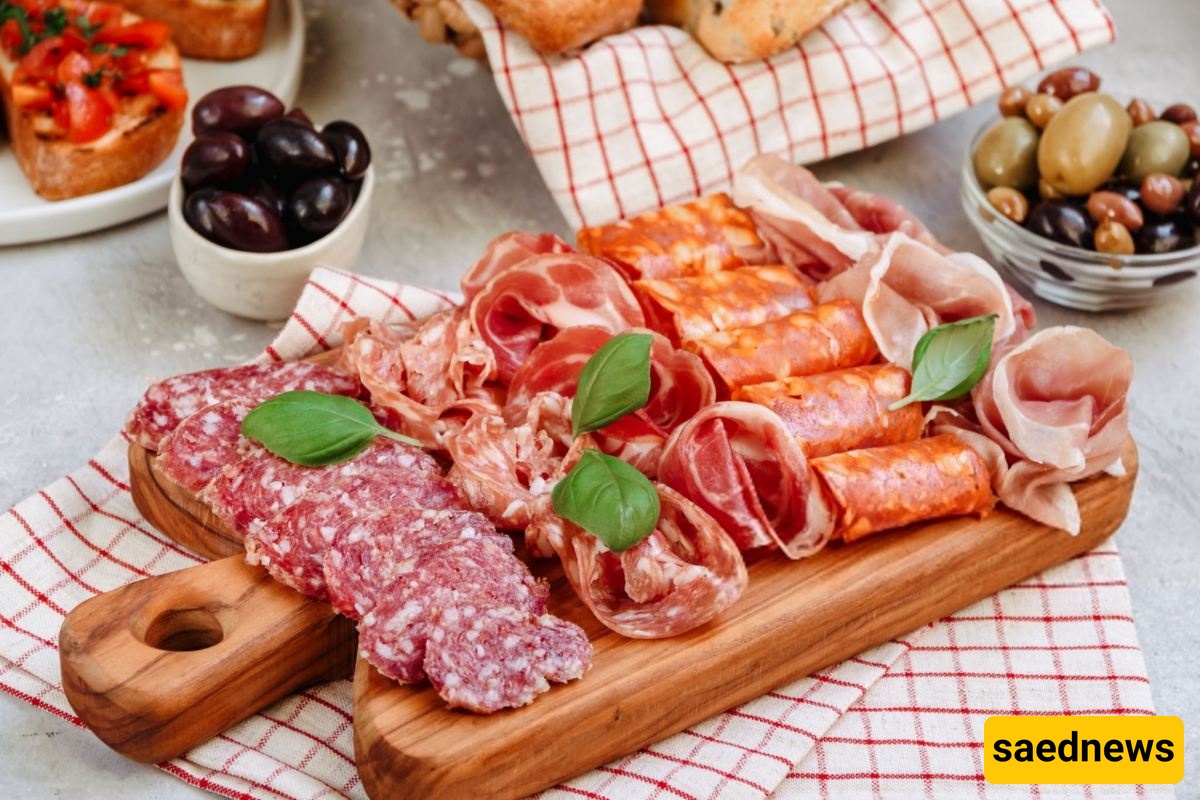
A variety of spices, including pepper, garlic, paprika, and nutmeg, may be added to enhance flavor and aroma. Spice blends can vary according to regional culinary traditions and consumer preferences. Some spices also contain antioxidant compounds that may contribute to product stability.
Using salt and spices in carefully controlled amounts is important for creating a distinctive and appealing flavor. Particular combinations of seasonings can also help differentiate products and appeal to different groups of consumers.
Preservatives are used in some processed meat products to extend shelf life and inhibit the growth of microorganisms. Sodium nitrate and related curing agents are commonly associated with processed meat production, where they help maintain color and protect against spoilage.
Nitrates and nitrites have strong preservative properties and are used under regulated conditions in the meat industry. They help create conditions that limit the growth of certain microorganisms and contribute to the stability of the product.
Because excessive exposure to certain preservatives can present health concerns, their use must comply with applicable food-safety standards and permitted levels. Some manufacturers are also exploring alternative preservation methods and naturally derived ingredients.
Fillers and functional additives may be used to improve texture, increase volume, maintain moisture, or control production costs. Starches and plant proteins are examples of ingredients that can serve these purposes.
Plant proteins and starches can help create a more uniform texture and improve water retention. Other additives may contribute to color stability, flavor, or the physical structure of the product.
The use of fillers should not compromise the overall quality or nutritional characteristics of the finished product. Ingredients such as potato flour and concentrated proteins can contribute to a soft, pleasant texture while helping maintain nutritional value.
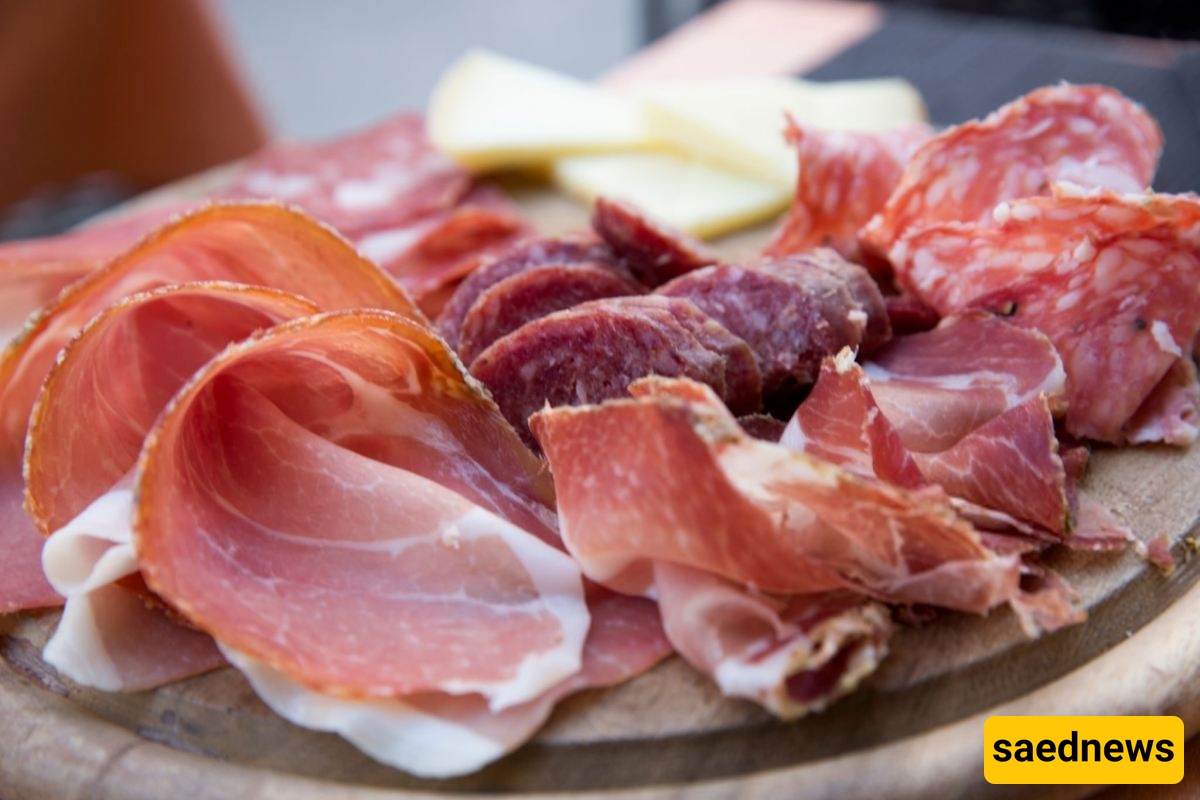
Some sausages and processed meat products contain plant proteins, such as soy flour or soy protein, to increase protein content and reduce production costs. These ingredients can also reduce the amount of animal meat required in a formulation.
Other plant-based proteins, including wheat gluten and proteins derived from legumes, may also be used to increase protein content and provide greater variety in processed-food formulations. Besides contributing nutritional value, plant proteins can reduce reliance on animal-based ingredients.
Water and ice are important functional ingredients in the production of sausages and processed meat products. They help improve texture and contribute to a softer, more uniform product.
Ice can also help maintain an appropriate temperature during processing. Keeping the mixture sufficiently cool helps prevent undesirable changes in fats and proteins and supports the formation of a consistent texture.
The amount of water and ice must be carefully controlled because excessive or insufficient amounts can affect flavor, texture, stability, and shelf life. They also help distribute the other ingredients more evenly throughout the mixture.
Antioxidants are used in some processed meat products to slow the oxidation of fats. This helps preserve freshness and reduce the development of undesirable flavors and odors.
Fat oxidation can negatively affect the taste, aroma, and overall quality of processed meat. Antioxidants such as ascorbic acid and tocopherols are commonly used in the meat industry to help protect fats from oxidation and improve product stability.
Naturally derived antioxidants may also be incorporated into certain formulations. In addition to protecting fats, antioxidants can help maintain the product's desired color and reduce unwanted color changes.
The final characteristics of a sausage or processed meat product depend on the balance among meat, fat, water, salt, spices, functional ingredients, preservatives, plant proteins, and antioxidants. Each component has a specific technological role, influencing characteristics such as flavor, texture, appearance, nutritional value, stability, and shelf life.