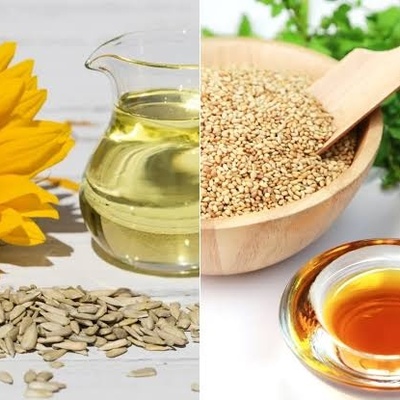
SAEDNEWS: What sets sesame oil apart from sunflower oil? In this article, we explore the key differences between these two popular cooking oils and what you should know about each.
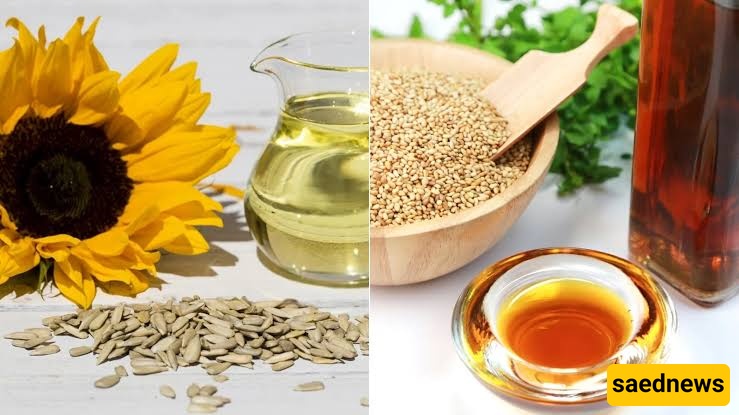
According to Saednews, Sesame oil and sunflower oil have been widely studied for their nutritional properties and potential health benefits. Different types of cooking oils serve different purposes. Some are ideal for everyday cooking, while others are better suited to low-heat preparation or high-temperature frying because of their smoke points.
Sesame oil and sunflower oil are two popular edible oils, each offering distinct nutritional characteristics, health benefits, and culinary applications.
Sesame oil contains various fats and small amounts of micronutrients. The nutritional value per 100 grams is approximately:
Calories: 884 kcal
Carbohydrates: 0 g
Fat: 100 g
Sugar: 0 g
Cholesterol: 0 mg
Sesame oil may also contain small amounts of vitamin E, vitamin K, and other compounds, depending on the extraction and processing methods.
Sunflower oil is widely used in cooking and is particularly valued for its vitamin E content. Per 100 grams, it provides approximately:
Calories: 884 kcal
Carbohydrates: 0 g
Fat: 100 g
Fiber: 0 g
Sugar: 0 g
Cholesterol: 0 mg
Sunflower oil is especially rich in vitamin E. Its precise fatty acid and vitamin composition varies depending on the sunflower variety and whether the oil is refined or unrefined.
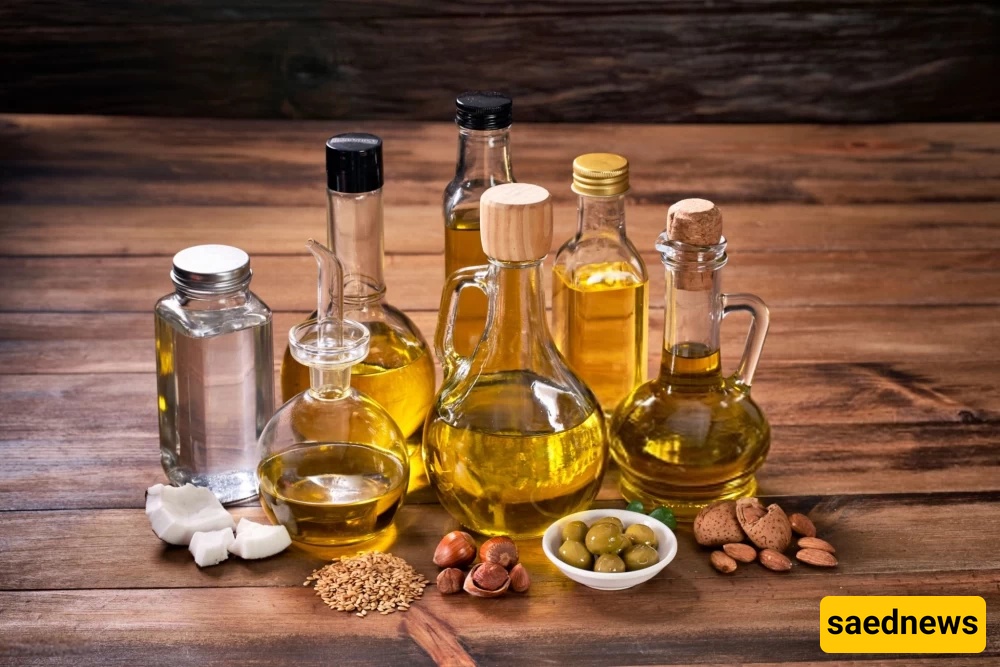
Both oils provide energy primarily through fat, but their fatty acid profiles and micronutrient content differ.
Sesame oil contains beneficial polyunsaturated and monounsaturated fats, along with naturally occurring antioxidants such as sesamol and sesaminol. Sunflower oil is often particularly rich in vitamin E and may contain high levels of either polyunsaturated or monounsaturated fats, depending on the variety.
Conventional sunflower oil is generally rich in linoleic acid, an omega-6 fatty acid, whereas high-oleic sunflower oil contains more monounsaturated fat.
The main differences between the two oils include their flavor, antioxidant content, fatty acid composition, and suitability for different cooking methods.
Sesame oil is extracted from sesame seeds and has been used in traditional cooking for centuries. Its production involves harvesting and processing the seeds, and its price may vary depending on the extraction method and quality.
Sesame oil contains naturally occurring compounds, including sesamin and sesamol-related antioxidants, which may help protect cells against oxidative stress and support the body's response to inflammation.
Sesame oil contains unsaturated fatty acids that can help support cardiovascular health when used in place of fats high in saturated fatty acids.
Replacing saturated fats with unsaturated fats may help improve blood cholesterol levels and reduce cardiovascular risk.
Some studies suggest that sesame oil may have beneficial effects on blood glucose regulation. However, the evidence is limited, and sesame oil should not be considered a replacement for diabetes medication or other established treatments.
Research suggests that sesame oil may have antioxidant and anti-inflammatory properties. Some studies have investigated its potential to reduce joint pain and other symptoms associated with arthritis, although further research is needed.
Sesame oil has been studied for its potential anti-inflammatory and antioxidant effects on the skin. However, evidence supporting its use for treating wounds and burns remains limited. It should not be applied to serious burns or open wounds without appropriate medical guidance.

Sunflower oil has a mild flavor and a light yellow appearance. Its aroma and stability vary according to the extraction and refining processes.
Unrefined sunflower oil generally has a more pronounced flavor, while refined sunflower oil typically has a milder taste and is often better suited to high-temperature cooking.
Sunflower oil is low in saturated fat and contains unsaturated fatty acids. Replacing saturated fats with unsaturated fats may help lower LDL cholesterol and support cardiovascular health.
Sunflower oil is a good source of vitamin E, an antioxidant that helps protect cells from oxidative damage and supports normal immune function and skin health.
Sunflower oil is commonly included in cosmetic and skincare formulations because of its emollient properties and vitamin E content. It can help soften the skin and support its moisture barrier.
Although sesame oil can be part of a balanced diet, excessive consumption may contribute to excessive calorie intake.
Possible concerns include:
Allergic reactions, which can occasionally be severe
Digestive discomfort or diarrhea in some individuals
Skin irritation or rashes in people with sesame allergies
Claims linking sesame oil directly to appendicitis, hair loss, or diverticulitis are not well established by scientific evidence.
People with a known sesame allergy should avoid sesame oil unless a healthcare professional has specifically advised otherwise.
Sunflower oil is generally considered a suitable dietary fat when consumed in moderation. However, there are several considerations.
Conventional sunflower oil contains substantial amounts of linoleic acid, an omega-6 fatty acid. Omega-6 fats are essential nutrients, and consuming them does not automatically cause inflammation. Maintaining a balanced overall dietary pattern is more important than avoiding omega-6 fats altogether.
Like all cooking oils, sunflower oil is calorie-dense. Using large quantities regularly can contribute to excess calorie intake and weight gain.
The stability of sunflower oil depends on its fatty acid composition and processing. High-oleic sunflower oil is generally more resistant to oxidation than conventional sunflower oil, making the type of oil an important consideration for repeated or prolonged heating.
Sunflower oil has a mild flavor that usually does not overpower other ingredients. Refined sunflower oil is commonly used for:
Frying and deep-frying
Sautéing and roasting
Everyday cooking
Baking and preparing dressings
Its suitability for high-temperature cooking depends on the oil's smoke point and oxidative stability. High-oleic sunflower oil can be a particularly useful option for cooking at elevated temperatures.
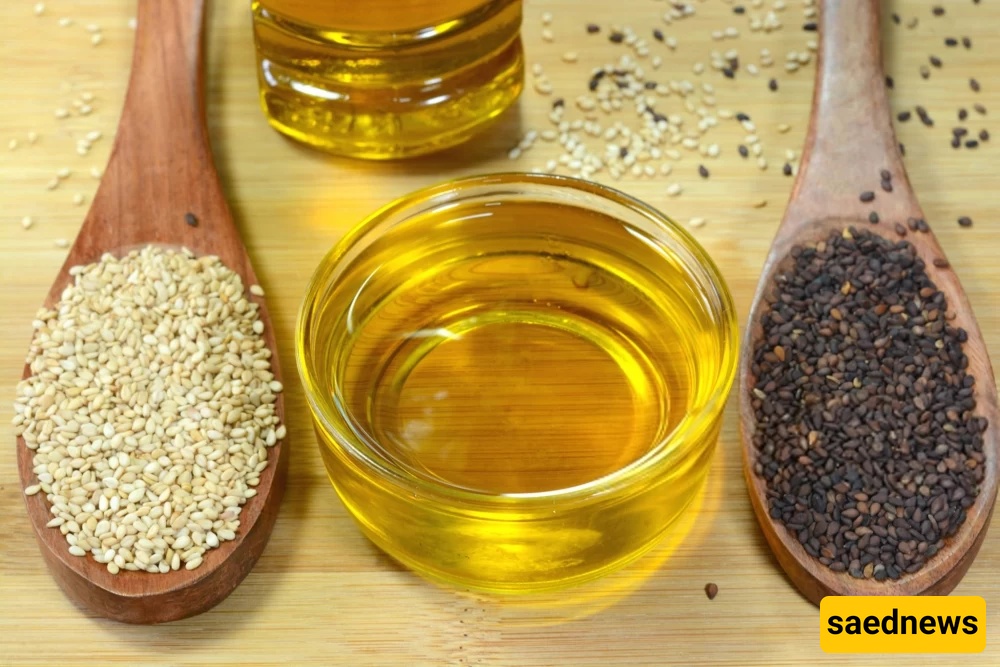
Sesame oil has a distinctive nutty flavor, making it popular in Asian-inspired dishes and flavorful sauces.
Common uses include:
Salad dressings
Marinades and dipping sauces
Stir-fries and sautéed dishes
Drizzling over cooked vegetables, noodles, and rice
Toasted sesame oil is especially valued for its rich aroma and is often used as a finishing oil rather than as the main oil for deep-frying.
Refined sesame oil may be suitable for higher-temperature cooking, depending on its smoke point and product specifications.
Refined sunflower oil is often a practical choice for high-temperature frying because of its relatively high smoke point and mild flavor. High-oleic sunflower oil may offer additional oxidative stability.
Sesame oil can also be used for frying, but its suitability depends on whether it is refined or unrefined. Toasted sesame oil is generally better reserved for adding flavor toward the end of cooking.
When choosing an oil for frying, consider more than its smoke point. Oxidative stability, fatty acid composition, refining method, and whether the oil will be reused are also important factors.
Neither oil is universally healthier. The better choice depends on your dietary needs, cooking method, and the specific product.
Sesame oil may be preferable when:
You want a distinctive nutty flavor.
You want to incorporate sesame-derived antioxidant compounds into your diet.
You are preparing dressings, marinades, or finishing sauces.
Sunflower oil may be preferable when:
You want a neutral-tasting cooking oil.
You need an oil for everyday cooking and frying.
You want a dietary source of vitamin E.
You choose a high-oleic variety for improved stability during high-temperature cooking.
Both oils can fit into a balanced diet when used in moderation. Overall dietary quality, the replacement of saturated fats with unsaturated fats, and appropriate cooking practices matter more than choosing one oil as universally superior.
Sesame oil and sunflower oil offer different nutritional and culinary advantages. Sesame oil stands out for its nutty flavor and naturally occurring antioxidant compounds, while sunflower oil is known for its mild taste and vitamin E content.
For high-temperature frying, refined sunflower oil—particularly a high-oleic variety—is often a practical choice. Sesame oil is especially useful for dressings, marinades, stir-fries, and finishing dishes.
The best option ultimately depends on the type of oil, the cooking method, and your individual dietary preferences.