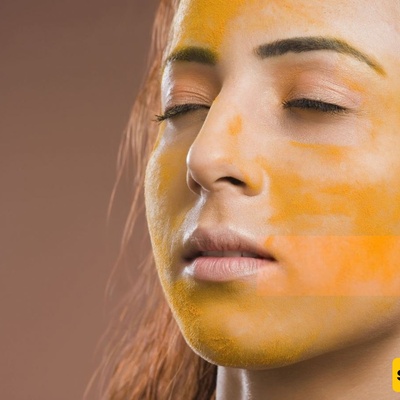
SAEDNEWS: Turmeric and yogurt may help soothe, hydrate, and brighten the skin. Discover how to make this simple face mask, adapt it to different skin types, and use it safely to address acne, dark spots, and signs of aging.
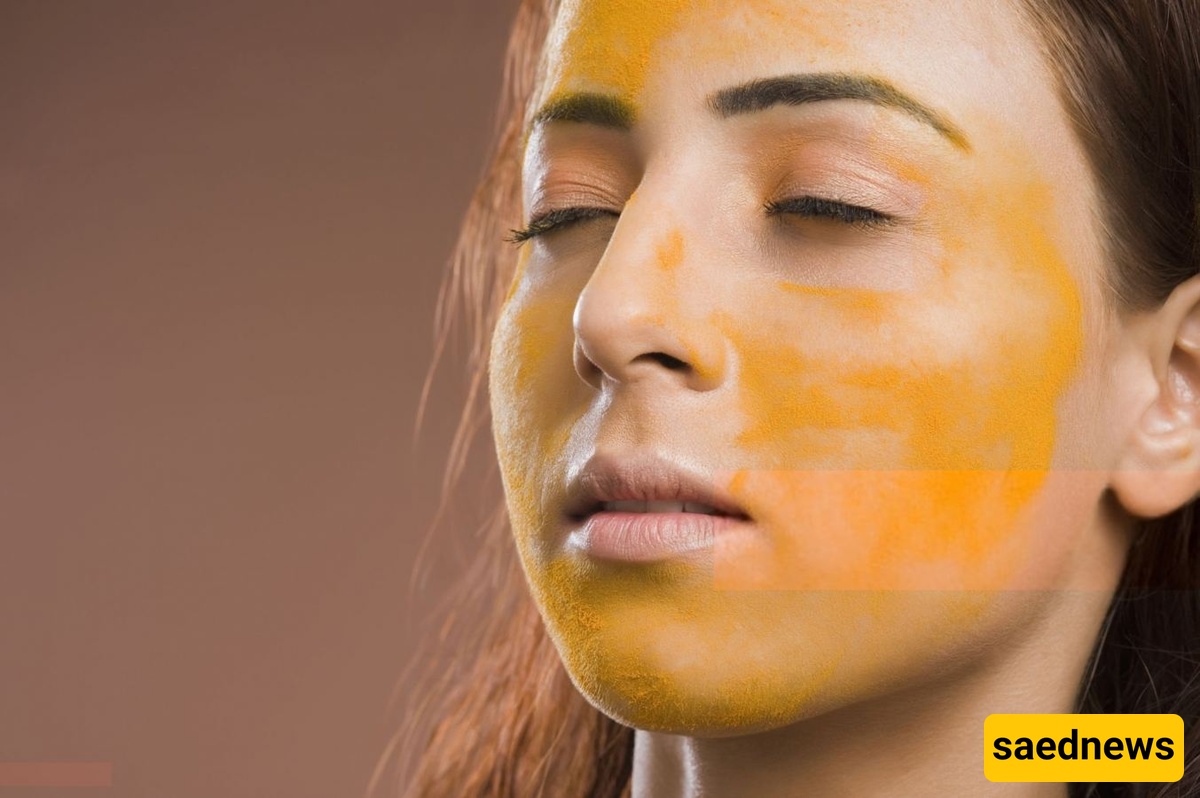
According to Saednews, Have you ever wondered why two simple kitchen ingredients, turmeric and yogurt, have become so popular in skincare? The answer lies in their complementary properties. Turmeric contains curcumin, a compound known for its antioxidant and anti-inflammatory effects, while yogurt contains lactic acid, proteins, and other nutrients that may help support the skin.
When combined, these ingredients create a homemade face mask that some people use to improve their skin's appearance. Yogurt's lactic acid may provide mild exfoliation, while turmeric's antioxidant properties may help soothe the appearance of irritated skin. However, scientific evidence supporting the effectiveness of this combination as a skincare treatment remains limited.
Acne is associated with inflammation, excess oil, and the activity of bacteria such as Cutibacterium acnes. Curcumin has demonstrated anti-inflammatory and antimicrobial properties in laboratory studies, making it a subject of interest in skincare research.
A turmeric and yogurt mask may help soothe the appearance of redness, but there is insufficient clinical evidence to conclude that it eliminates acne-causing bacteria or prevents new breakouts. It should not replace proven acne treatments, particularly for persistent or severe acne.
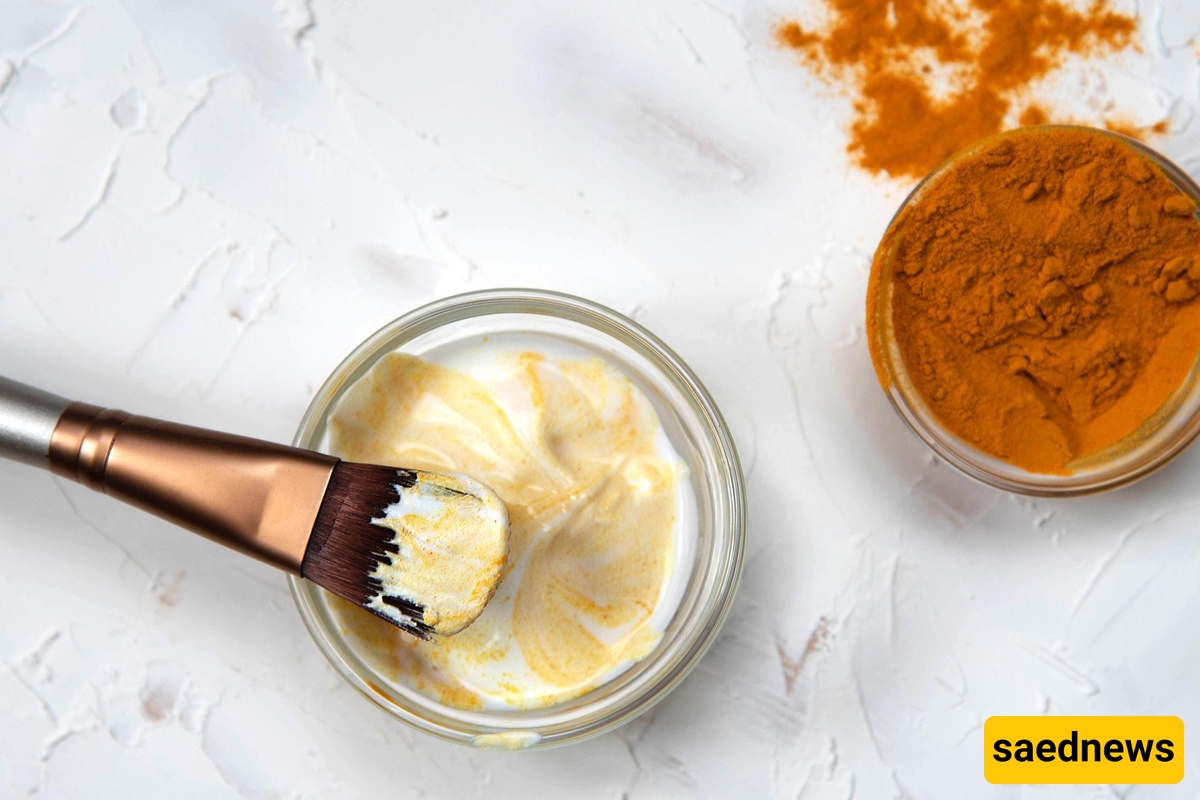
Turmeric is often used in homemade skincare routines because curcumin has properties that researchers are investigating for its potential effects on pigmentation and inflammation.
Yogurt contains lactic acid, which may gently exfoliate the skin's surface. However, there is limited evidence that a homemade turmeric and yogurt mask can significantly fade acne scars, sunspots, or melasma.
For more reliable results, consider using sunscreen daily and consulting a dermatologist about treatments specifically designed for hyperpigmentation.
Yogurt contains fats and proteins that can leave the skin feeling temporarily soft. Its lactic acid may also help loosen dead skin cells on the surface.
However, yogurt is not a substitute for a formulated moisturizer, and there is little evidence that applying it to the face provides deep hydration. People with dry or sensitive skin may benefit more from a fragrance-free moisturizer containing ingredients such as glycerin or ceramides.
Free radicals contribute to oxidative stress, which plays a role in skin aging. Curcumin has antioxidant properties that have attracted interest in research on skin health.
Nevertheless, laboratory findings do not establish that applying turmeric and yogurt to the face stimulates collagen production or reduces wrinkles. For evidence-based anti-aging skincare, daily sunscreen and appropriately selected products, such as retinoids, may offer more dependable benefits.
1 tablespoon of plain, unsweetened yogurt
A small pinch of pure turmeric powder
Mix the ingredients: Combine the yogurt and turmeric in a clean bowl until smooth.
Cleanse your face: Wash with a gentle cleanser and pat your skin dry.
Apply a thin layer: Avoid the eyes, lips, and any broken or irritated skin.
Leave it on briefly: Start with 5–10 minutes rather than leaving it on for an extended period.
Rinse thoroughly: Use lukewarm water without scrubbing.
Moisturize: Apply a gentle moisturizer afterward.
Do not assume that longer application or more frequent use will produce better results.
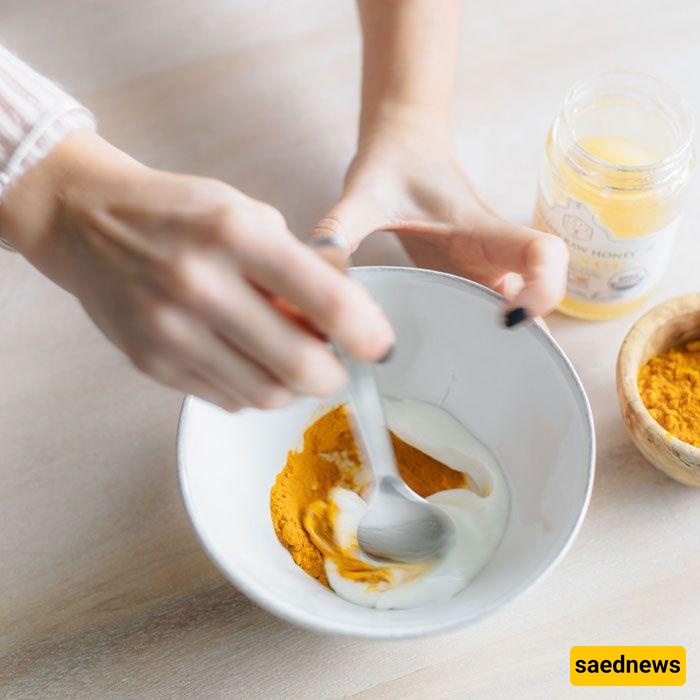
Keep the mixture simple and avoid adding multiple ingredients. Essential oils, including tea tree oil, can irritate the skin, particularly when used undiluted. If you have persistent acne, consider evidence-based treatments instead of relying on homemade masks.
Use a gentle, fragrance-free moisturizer after rinsing. Adding olive oil or other kitchen ingredients is not necessary and may not suit acne-prone or sensitive skin.
A homemade mask may cause irritation even if its ingredients seem natural. It is safest to avoid experimenting on inflamed or compromised skin and to choose products formulated for sensitive skin.
Test for sensitivity first. Try the mixture on a small area of skin and monitor for irritation. A home patch test cannot guarantee that a reaction will not occur later.
Be aware of temporary staining. Turmeric can leave a yellow tint on the skin. Wash gently rather than scrubbing to remove it.
Avoid the eye area. Keep the mixture away from your eyes, nostrils, and lips.
Do not overuse the mask. Frequent application may cause irritation, especially when combined with other exfoliating products.
Stop if irritation develops. If you experience burning, itching, swelling, or persistent redness, rinse immediately and discontinue use.
A turmeric and yogurt face mask is an inexpensive homemade skincare option that may leave the skin feeling temporarily softer and smoother. However, claims that it definitively cures acne, removes dark spots, deeply hydrates the skin, or reverses wrinkles are not supported by sufficient clinical evidence.
For healthier-looking skin, prioritize gentle cleansing, regular moisturizing, daily broad-spectrum sunscreen, and treatments suited to your specific skin concerns.